
Author: Edouard Chazal
The Daredevil of the Auction World
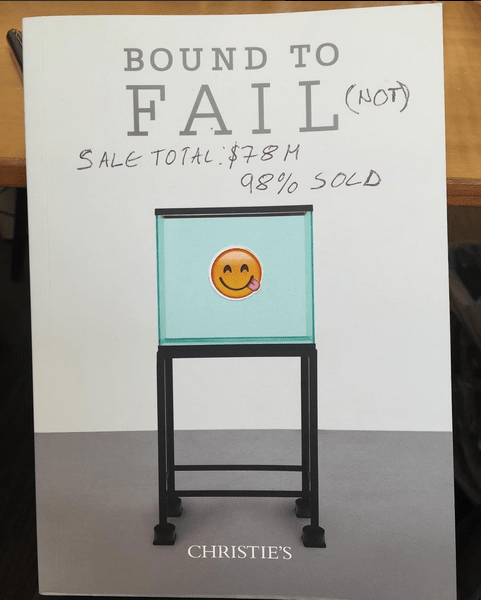
With contemporary art having become an important investment vehicle for the superwealthy—a profitable and fun place for the rich to park their money—collectors are no longer necessarily connoisseurs. Gouzer is disdainful of the novice client who shows no interest in an artist’s catalogue raisonné, and who wants to know only if the piece he is buying is considered to be in the top ten of the artist’s works. “It’s very much an Instagram way of buying,” he grumbled to me this spring. “You see an image, and you make a decision.” Yet his approach could not be better calculated to appeal to such consumers. Last November, a colleague at Christie’s brought to auction a Modigliani painting of a voluptuous woman, “Reclining Nude,” which had a presale estimate of a hundred million dollars. Gouzer posted an image of the painting on Instagram and offered this unscholarly observation: “Difficult to say which you would want more, the painting for a lifetime or the model for a night?”
The Writer and the Rebellion
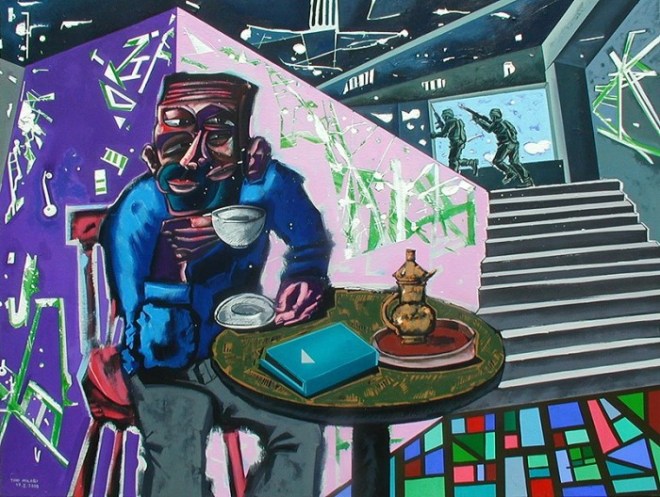
That evening, we went to George’s, Iowa City’s Qasabji: a dim, narrow bar of perpetual darkness. We met friends who still lived in town and drank and talked late into the night. “I think now, in Syria, we have a very new idea,” Khaled told me. “Now I’m writing my new novel. I have been writing for four years. But now, I will rewrite it, because I feel it is old writing. We have a new time, and new ideas, not just for writing but for the people too. Now we can understand our people. We are talking about this with young writers. What will be the future, I ask. You must be better. Because after the revolution you have new ideas about writing and about all art. We will have new ideas.”
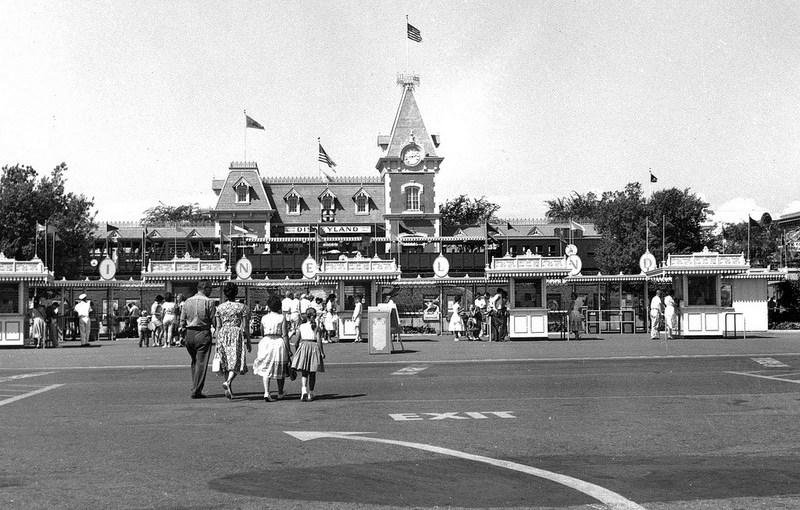
Elie Wiesel’s Review of Disneyland
Himself :
I don’t know if a Garden of Eden awaits adults in the hereafter. I do know, though, that there is a Garden of Eden for children here in this life. I know because I myself visited this paradise.
Zimbabwe’s trillion-dollar note: from worthless paper to hot investment
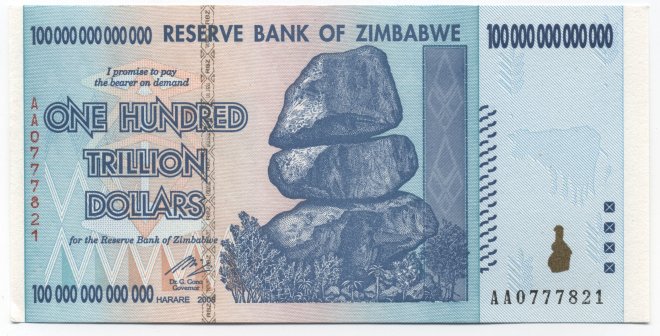
In an extraordinary irony, the 100 trillion dollar note – a symbol of financial mismanagement on a colossal scale – has turned into one of the best-performing asset classes of recent years.

