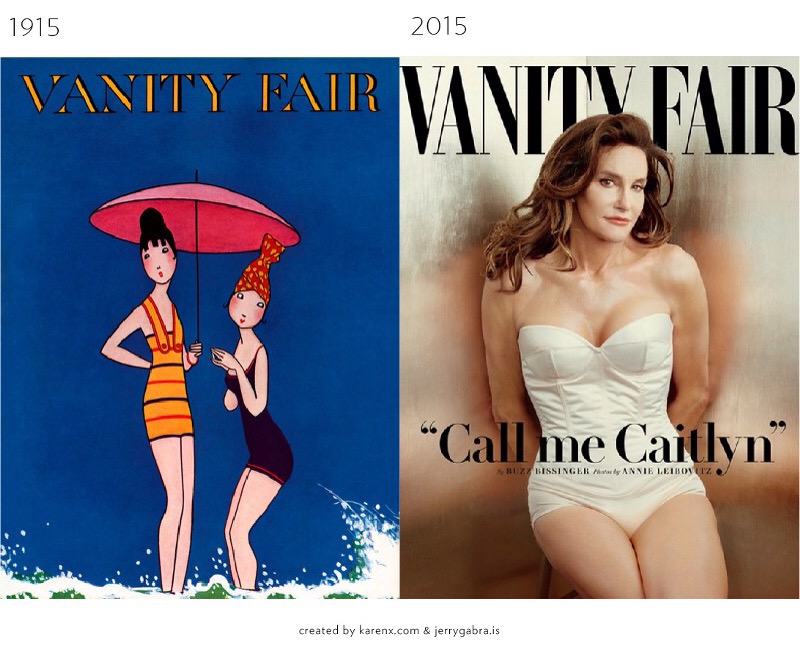
Not so long ago, black people couldn’t vote. Though they still face significant discrimination, they are also now idolized on magazine covers. As women have earned more rights over the years, they now take control of their sexuality. And Vanity Fair’s most iconic cover this year is a woman who used to identify as a man.
Author: Edouard Chazal
Blaming China for Black Monday is Like Blaming a Bartender For Your Hangover
 Pubonomics :
What is happening? Why is China—the country that people once thought was the engine of the world economy—tottering so badly ?
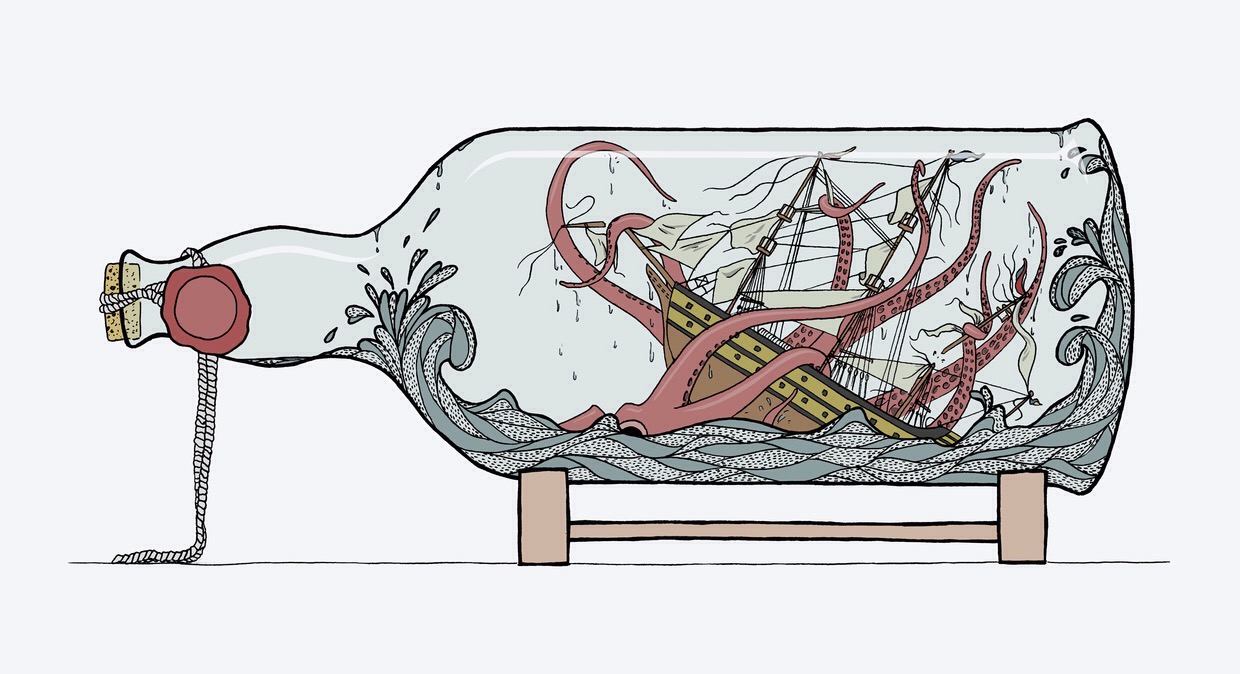
To answer these questions it is necessary to recognize that China was never the engine of the world’s growth. To be such an engine you have to import more than you export. Then you would create a demand that is filled by other countries, which as a result export more than they import. Importers are the engines in the supply trains of the international markets. Exporters are the wagons, pulled by the demand created by the profligates. Think of what drives liquor markets: barmen or drinkers?
Credit: Michael Lomax, Impossible Bottle
Black Monday, Kinda
Monday, August 24th brought you one of the weirdest trading day ever seen in the past several years.
So to sum up what happened today, here are a few charts, courtesy of Bloomberg, ZeroHedge and NANEX — time of the events may vary :
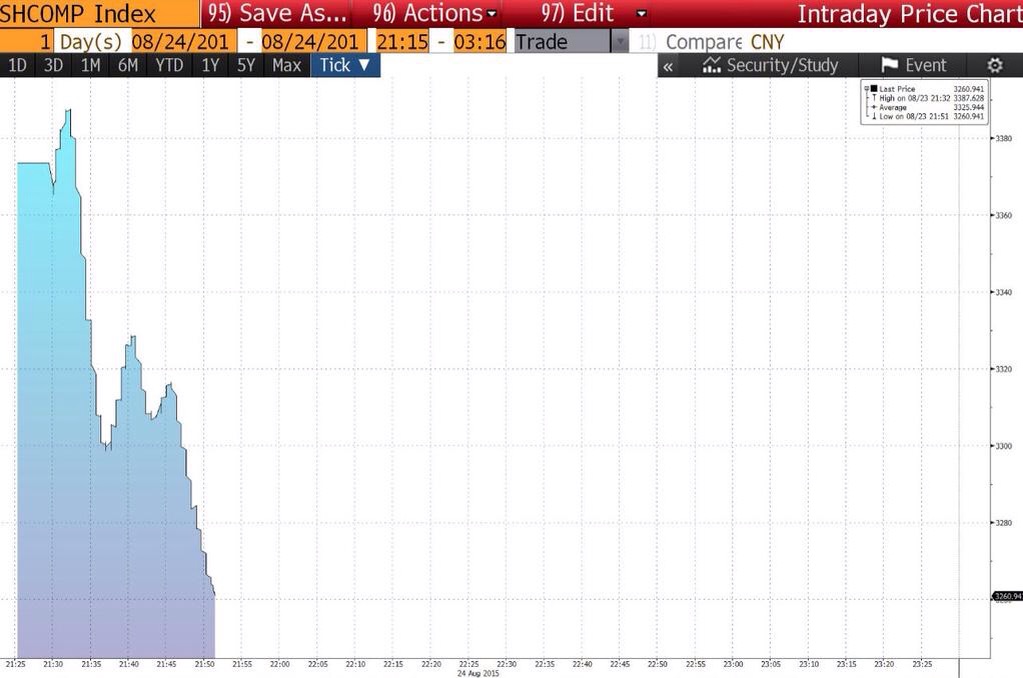
- It all started sometimes in China, when it’s business as usual these days :
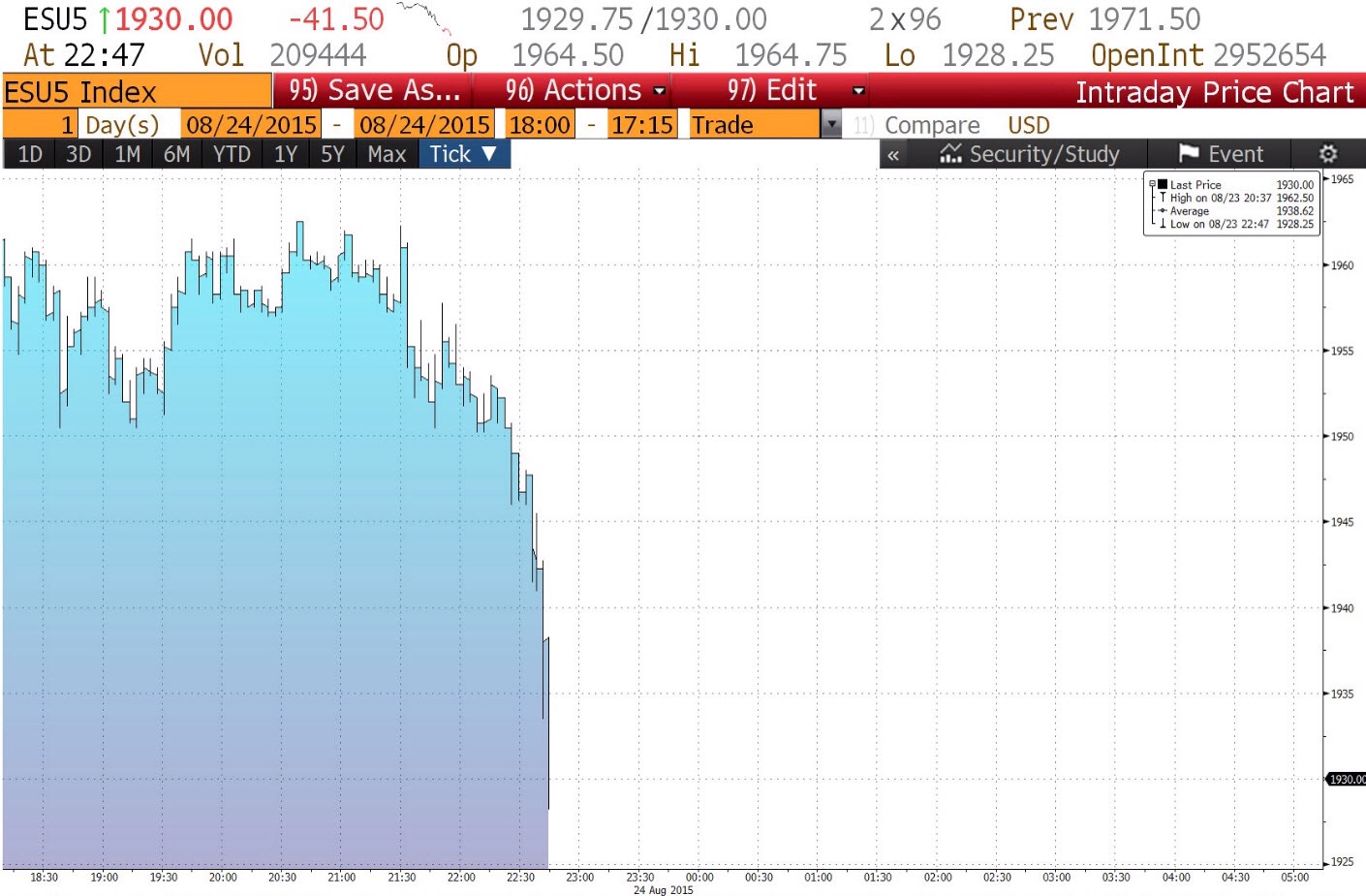
- S&P Futures followed, kissing the dirt :
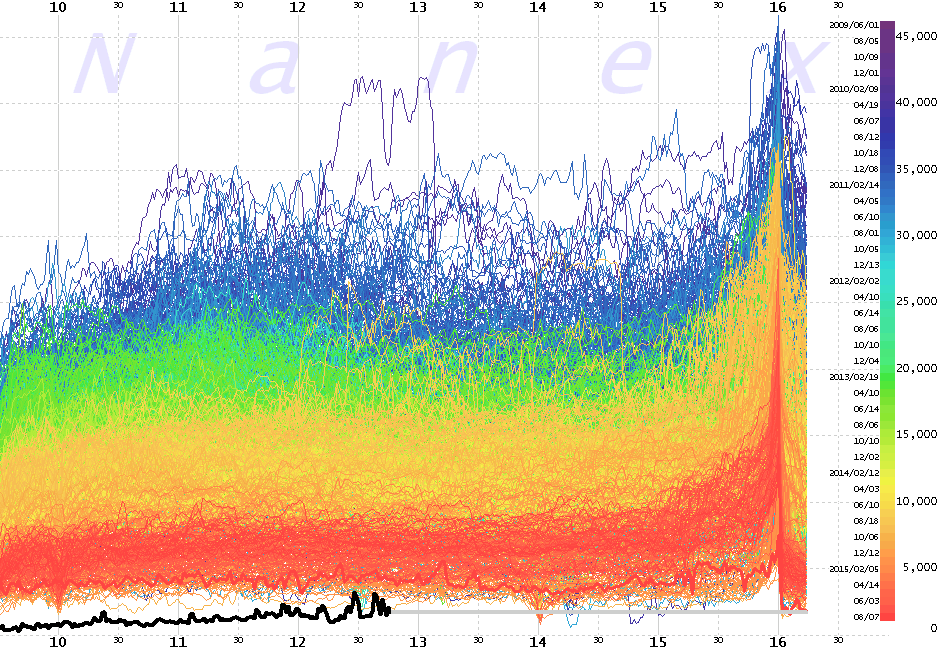
- Which then started a major liquidity squeeze on the US market, as seen on the following charts by NANEX :
- Causing buy-sell orders to never quiet match — courtesy of ZeroHedge :
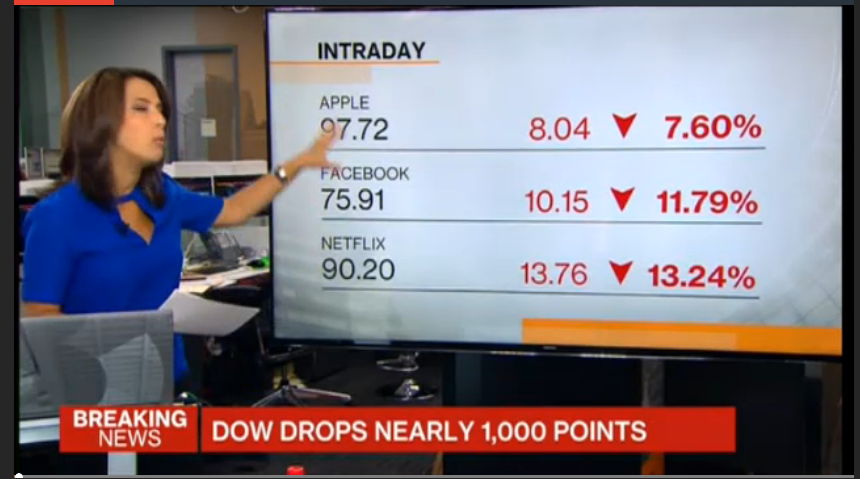
- Shortly after the opening bell, something like this on the Dow Jones :
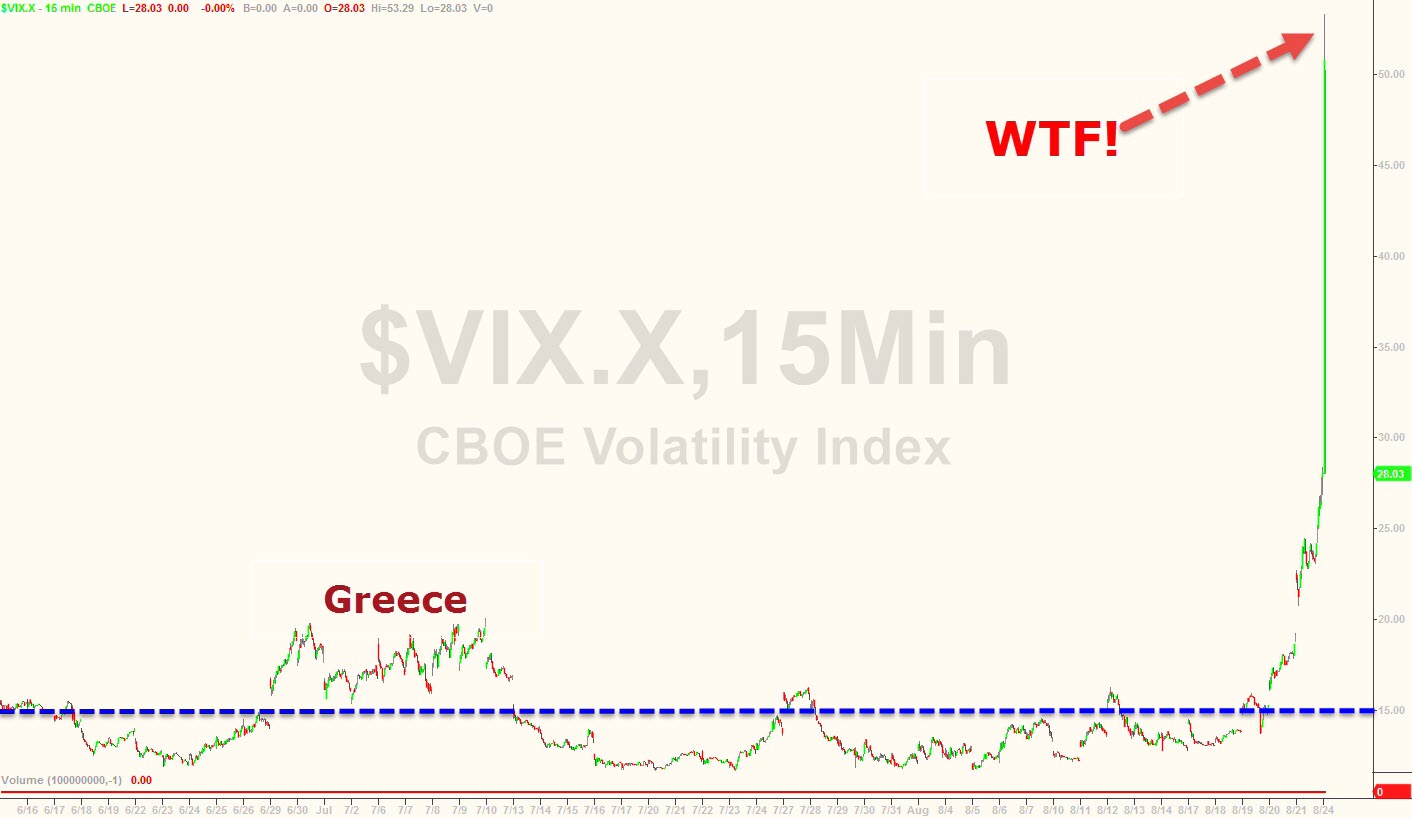
- And an impressive rise on the VIX :
- In the meantime, major (mini) crashes :
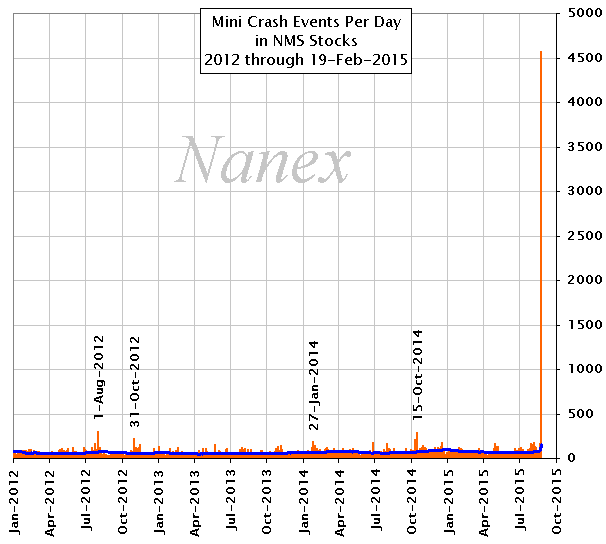
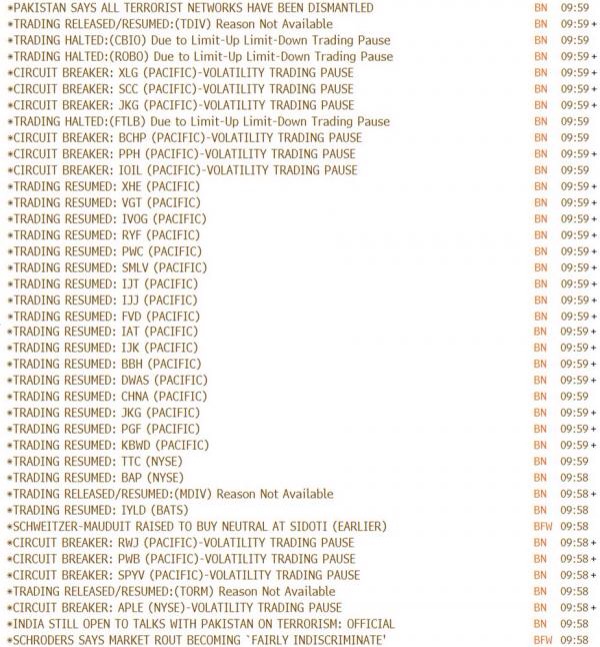
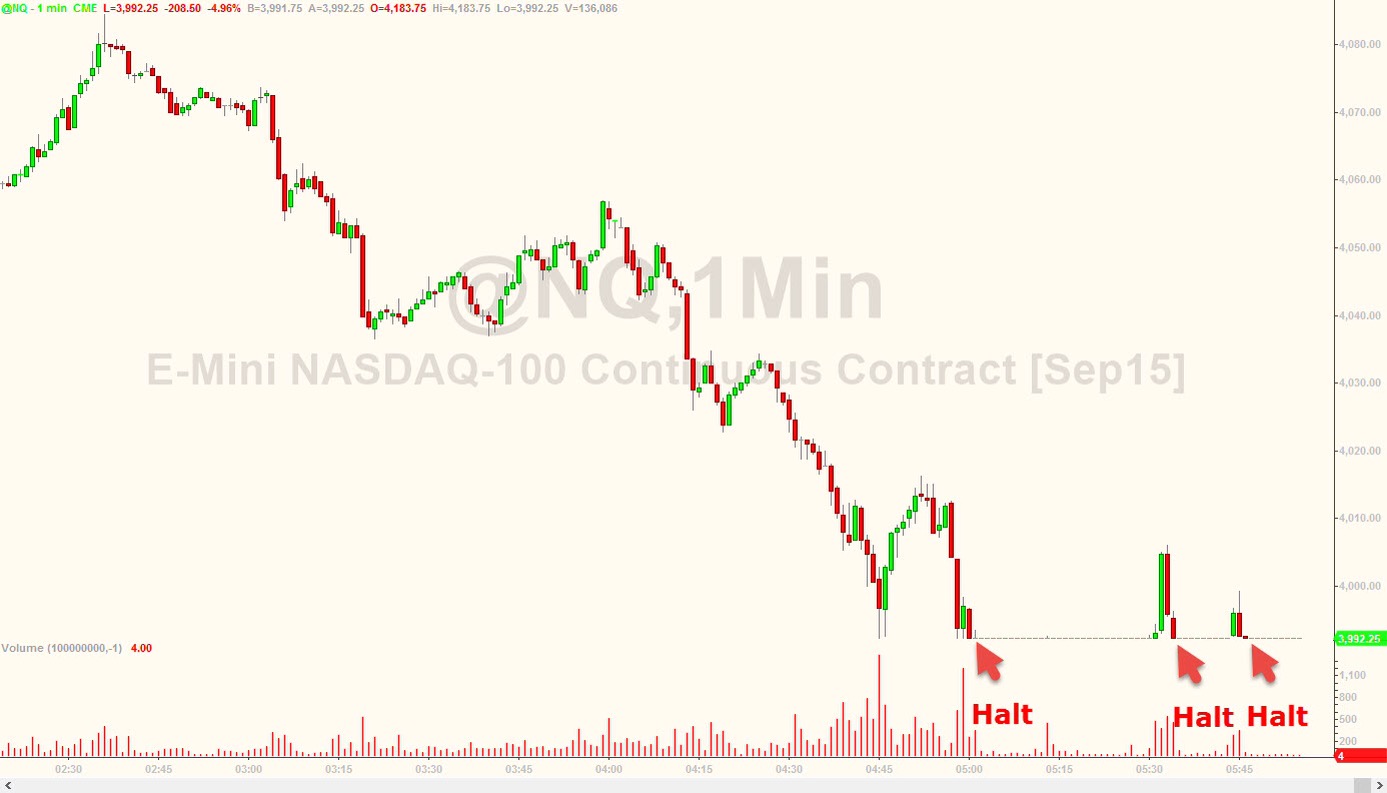
- To prevent further deterioration, just press the “HALT” button across major indices, including 3 consecutive press on the NASDAQ and 1’200 times during that day :

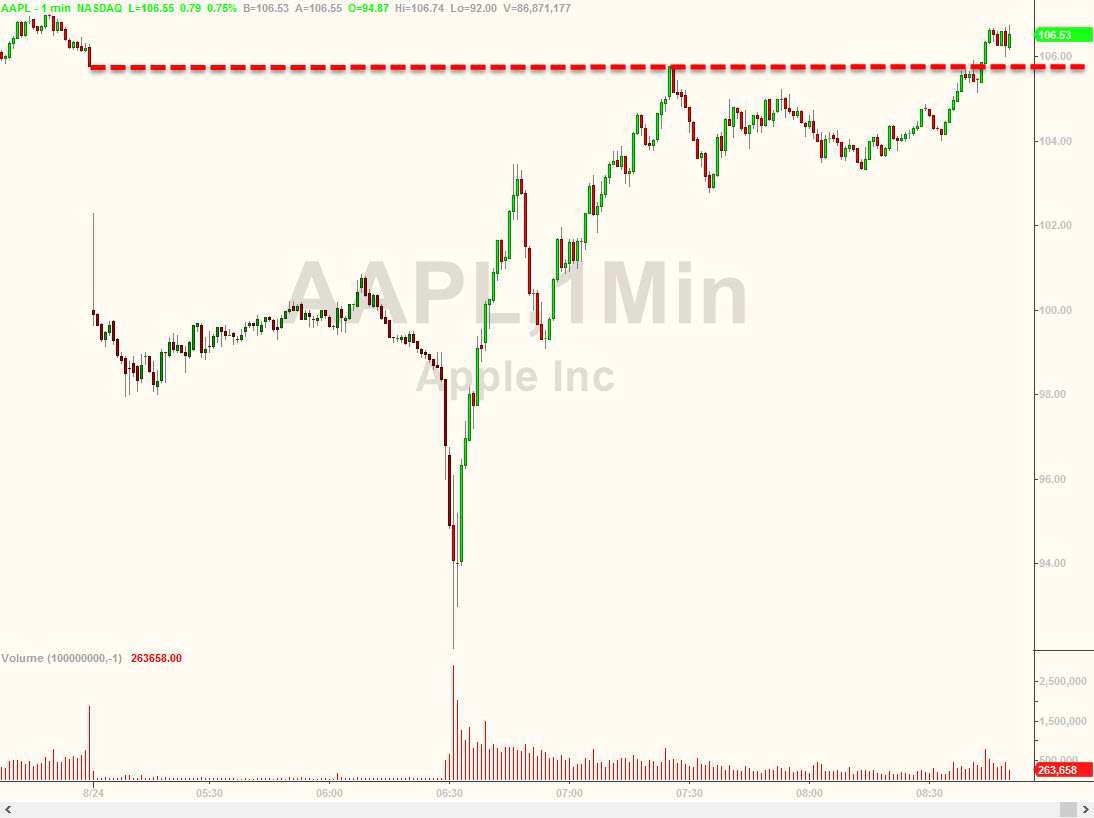
- Then the master of markets, Tim Cook, dropped an email to Jim Cramer stating the following :
I get updates on our performance in China every day, including this morning, and I can tell you that we have continued to experience strong growth for our business in China through July and August. Growth in iPhone activations has actually accelerated over the past few weeks, and we have had the best performance of the year for the App Store in China during the last 2 weeks.
- Which caused this :
- Then, all of a sudden, while unrelated from the previous event — well, who knows :

- Oups…
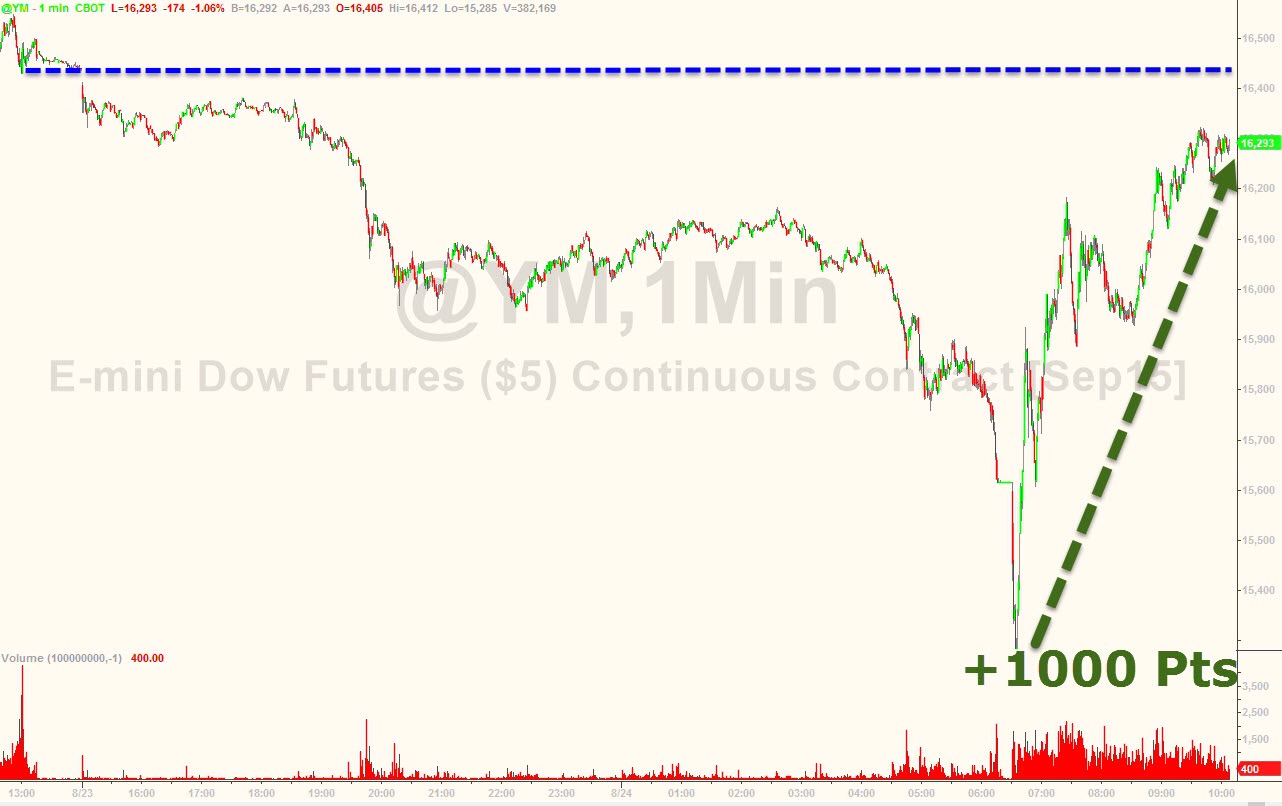
- …While European markets will stay stucked for a little longer :

There’s more to it for sure, but here are some events, mostly correlated, to show the newcomer what’s up for today on the trading side.
Finally here’s a fun tweet from Josh Brown :
@ReformedBroker: Look, it doesn’t matter what you bought or what you sold. The important thing is that you panicked.
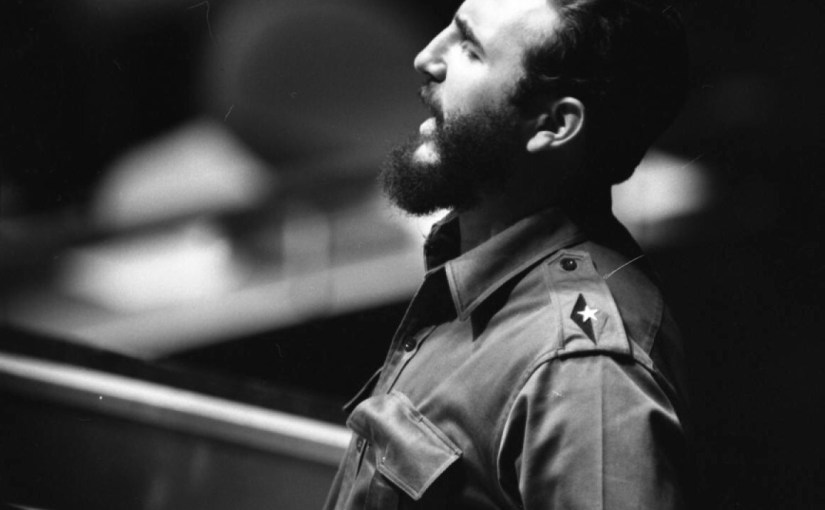
My Long Night With Fidel Castro
Had I just witnessed a miracle? In the world of politics, this is about as close as you get to an apology. Was Fidel apologizing for his use of force during the revolution? For acting as a pawn of the Russians during the missile crisis? For the mistreatment of political dissidents? For all of the above and more?
He didn’t say outright that he was sorry—he didn’t say he regretted any of his past actions—but it sure felt like it. History hasn’t absolved him of his crimes and missteps, and it appears he might be acknowledging as much.
After the round of handshakes, I expected Fidel to make some brief remarks and then say his goodbyes—it was incredibly late—but, again, he surprised us all.
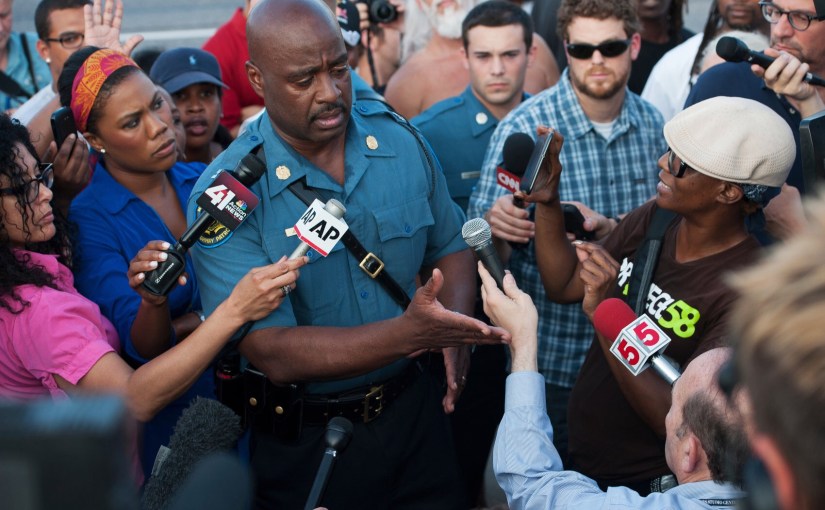
How Black Reporters Report On Black Death
But if “diverse” reporters help newsrooms do better journalism, are newsrooms doing enough to make sure someone like Trymaine has the support and backup he needs to not burn out or even break down in the process? We ask journalists to keep some critical, dispassionate distance from their stories. But what happens when the stories they’re covering are not abstractions, not just things that happen to other people? What happens when echoes of those stories keep sounding off in their own lives?
I was left with that question when Trymaine and I wrapped up our conversation and headed to lunch. I looked at my phone and realized that in the short time we’d been talking on the bench, the hashtag #ChristianTaylor had been trending on Twitter, named for a black college football player shot and killed by police in Arlington, Texas.
 Abnormal Capitalist