Hairy Days as New Bond Shops Struggle to Dent $8 Trillion Market

In mid-July, Amar Kuchinad, a former Goldman Sachs Group Inc. banker turned bond entrepreneur, was sporting a thick beard. He refused to shave, he said, until his new company, Electronifie Inc., turned a profit.

As Electronifie competed among the dozen or more new electronic bond-trading systems to come on the scene in the last year, Kuchinad’s beard was growing conspicuously bushy. The new trading venues face the unenviable challenge of changing the behavior of bankers and investors who for decades have bought and sold corporate bonds over the telephone or by instant message.

→ Traders Magazine

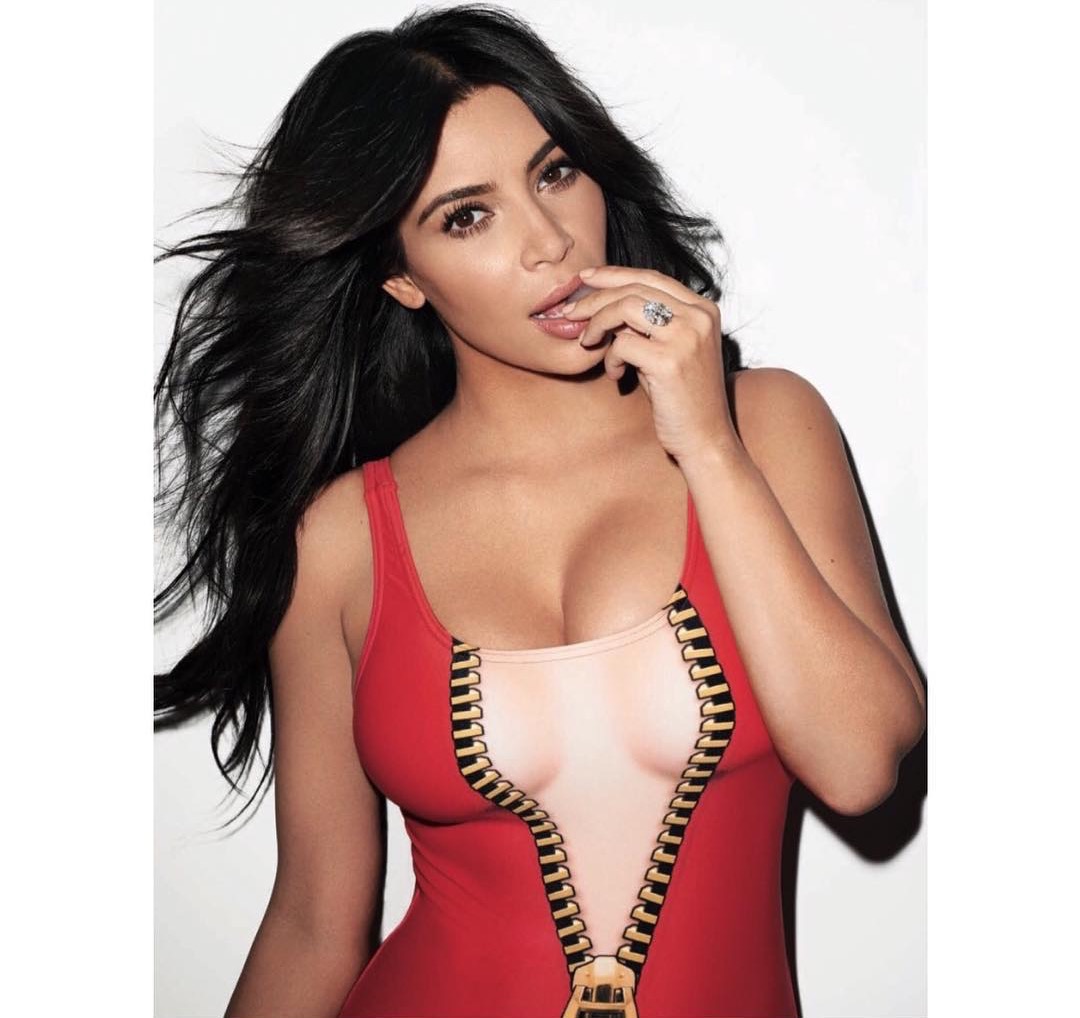
American Woman : The Life Of Kim Kardashian


And as much as her thoughts and actions on this Earth may be quotidian, the way she looks is out of this world. As she strides into the meeting precisely on time and in an outfit made up of colors found exclusively in nature — dark-green ankle-length dress, sand-colored lace-up sandals and tree-bark Céline purse — the effect is like a photorealistic painting, meaning that the Kardashian on the TV screen feels more real than the Kardashian in the room. She’s a jungle Aphrodite escaped from a forest of big-booty nymphs, with a mane as thick as a horse’s and as black as volcanic rock. Her eyelashes flutter like teeny-tiny go-go dancers’ fans. Her nails are small, elegant talons, painted a color that manages to be both onyx and the bloodiest red. But it is Kardashian’s body that is the thing, of course, and today, as always, her clothing is so tight it feels transgressive, clinging in particular to that strange, glorious butt, a formerly taboo body part that is now not only an inescapable part of the American erotic but also our best and most welcome distraction from climate change, income inequality and ISIS.

→ Rolling Stone

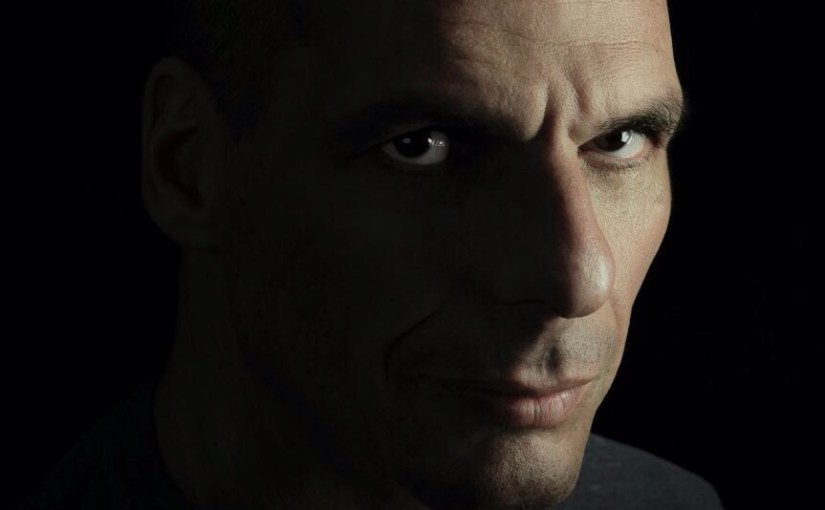
The Greek Warrior

A few years ago, Varoufakis told Yorgos Avgeropoulos, a documentary filmmaker, that the difference between a debt of ten thousand euros and one of three hundred billion euros is that only the latter gives you negotiating power. And it does so only under one condition: “You must be prepared to say no.” Upon his election, Varoufakis used the less than ideal influence available to a rock climber who, roped to his companions, announces a willingness to let go. On behalf of Tsipras’s government, Varoufakis told Greece’s creditors, and the world’s media, that his country objected to the terms of its agreements. This position encouraged widespread commentary about Greece following a heedless path from “no” to default, and from default to a “Grexit” from the euro currency, which might lead to economic catastrophe in Europe and the world.

→ The New Yorker

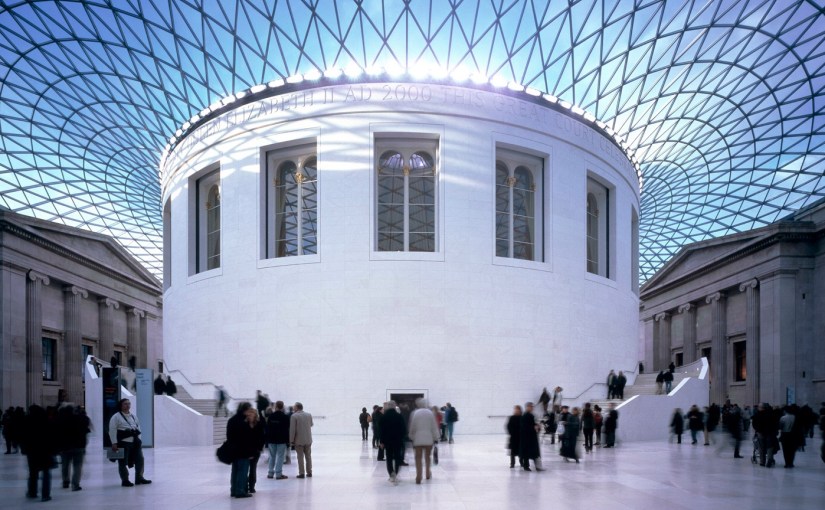
Why Museums Are The New Churches

If churches and cathedrals once stood at the top of the architectural hierarchy, today the museum is the building form that every serious architect dreams of designing. The financial Medicis of the 21st Century are not throwing much money at religious institutions – but a new museum, especially one offering naming rights, can attract the sort of budget that would once have been reserved for a cathedral.

And on our relationship to art :

The art museum has supplanted the church as the pinnacle of architectural ambition, but a more curious ecclesiastical shift may be taking place inside the museum’s walls. These days we frequently use religious language when talking about art. We make ‘pilgrimages’ to museums or to landmarks of public art in far-off locales. We experience ‘transcendence’ before major paintings or large-scale installations. Especially important works – Mona Lisa at the Louvre, most famously – are often displayed in their own niches rather than in historical presentations, all the better for genuflection. What is the busiest day of the week for most contemporary art museums? That would be Sunday: the day we used to reserve for another house of worship.

→ BBC

A Fearful Frenzy : The Art Market Now

But the most intriguing motive for the rampage of collecting involves a term unfamiliar to me: “store of value,” having nothing to do with a type of retail outlet. It is about liquidity that is vested rather than invested, and it speaks to dread. Besides being something that people buy when they already own everything else, art shares with gold and diamonds the desideratum (lacked by real estate) of being portable. Charlesworth observes that “alongside global prosperity has come a lot more political instability, and it’s in the interests of the social elite to keep their options open as to where they relocate.”

Your van Gogh is thus the equivalent of a packed suitcase kept under the bed against the morning of a telltale noise from the street outside.

And JJ Charlesworth to add :

And hey, if you want to get some of your wealth out of crumbling roubles and into some other form of asset, why not try art? Not just a few thousand pounds-worth, but millions of pounds worth, all concentrated into a handy bit of wood and canvas with some colors on it. And the best guarantee of its value is its rarity and the security of its reputation.

But where Charlesworth misses the point is precisely when markets crash :

As long as the world economy keeps growing, the art market bubble isn’t set to burst anytime soon. So if you’re a Gurlitt, or preferably the lucky inheritor of a restituted work of early 20th Century modern art, it’s time to sell.

There’s certainly a higher volatility in areas where art pieces are the most coveted, Russia, Middle East and BRICS. And this could hurt prices in the long run. 

→ The New Yorker

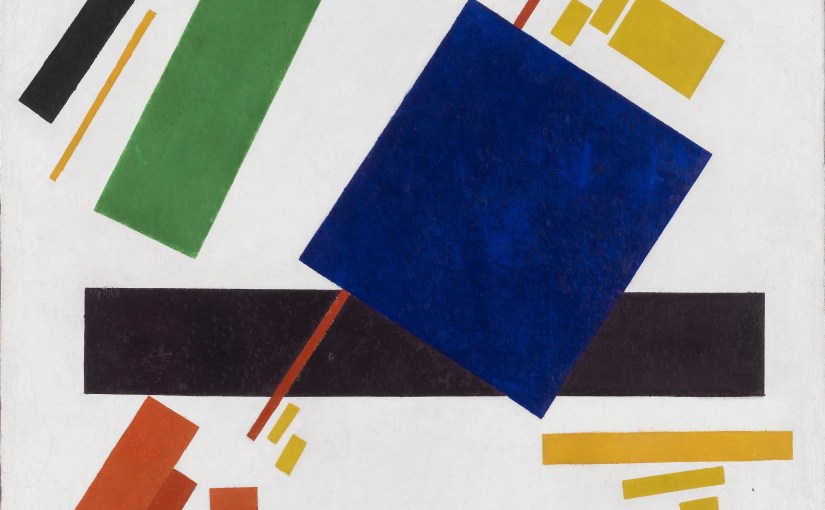
Credit : to the defunct Kazimir Malevich, Supermatist Composition, 1916