Prophet and Loss

A 2000 piece about the supposed Real Wolf of Wall Street, †Dana Giacchetto :

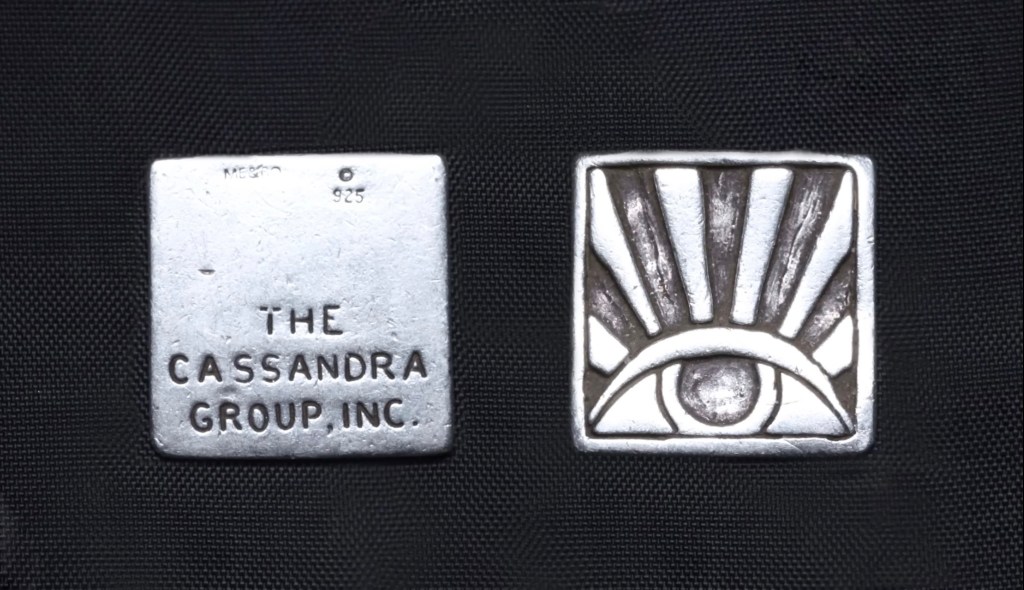
Anxiously tugging at his Dolce & Gabbana T-shirt, Giacchetto launched into a passage from Aeschylus’ Agamemnon, in which Cassandra declares that despite the machinations of her enemies, her legend will endure.

“I am not like a bird,” he intoned, “scared at an empty bush, trembling for nothing. Wait: When you shall see my death atoned with death … then witness for me – these and all my prophecies were utter truth.”
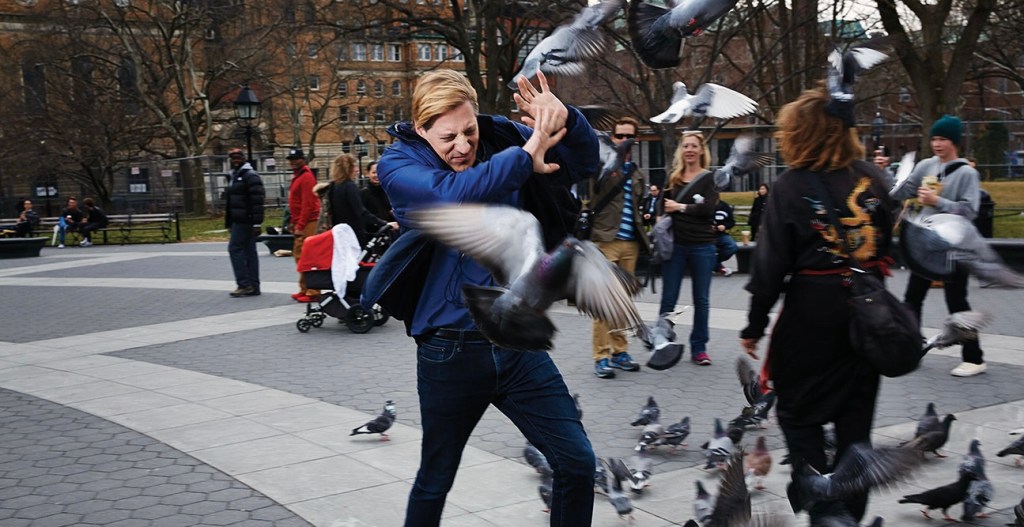
Giacchetto’s New Year’s performance notwithstanding, the mythological character he’s often compared to these days is not Cassandra but Icarus, who got burned flying too close to the sun. “I just had a suspicion it wouldn’t last,” says one intimate. “He was flying too high, had too many people signing on. You knew that if anything ever went wrong, they’d all start jumping ship. He was a New York Magazine article waiting to happen.”

→ New York Magazine

Fintech: Search For A Super-Algo

The rise of the machine learning :

The quantitative investment world plays down the prospect of machines supplanting human fund managers, pointing out that the prospect of full artificial intelligence is still distant, and arguing that human ingenuity still plays a vital role. But the confident swagger of the money management nerds is unmistakable. Already there are quasi-AI trading strategies working their magic in financial markets, and the future belongs to them, they predict.

→ Financial Times

Why Do High-Speed Traders Cancel So Many Orders?

Of course, honest traders change their minds all the time and cancel orders as economic conditions change. That’s not illegal. To demonstrate spoofing, prosecutors or regulators must show the trader entered orders he never intended to execute. That’s a high burden of proof in any market. One helpful fact is if most of a trader’s (canceled) orders were on one side (say to buy) when he was mostly actually trading on the other (selling). For instance Sarao allegedly put in huge orders to sell, so that he could buy a few contracts: All his trading was on one side, but most of his orders were on the other. Then he’d switch a little while later. That seems like a bad sign.

→ Traders Magazine

Risky Strategy Sinks Small Hedge

Follow-up on some less successful investment strategies by hedge-funds, to say the least :

The back-tested results for the Spruce Alpha fund may not have taken into account how markets and investors would react given the kind of circumstances that took place in August. The hypothetical results could have underestimated the fact that some E.T.F.s are used as trading instruments that big money managers move quickly in and out of in times of extreme market volatility.

In a disclaimer to its marketing materials, Spruce Alpha also noted some of the unreliability of back-tested returns. The hypothetical results “do not represent the results of actual trading” and “were achieved by means of the retroactive application of a hypothetical model that was designed with the benefit of hindsight and could be adjusted at will until desired or better performance results were achieved,” the disclaimer reads.

→ The New York Times