Alexey Navalny Died In Darkness

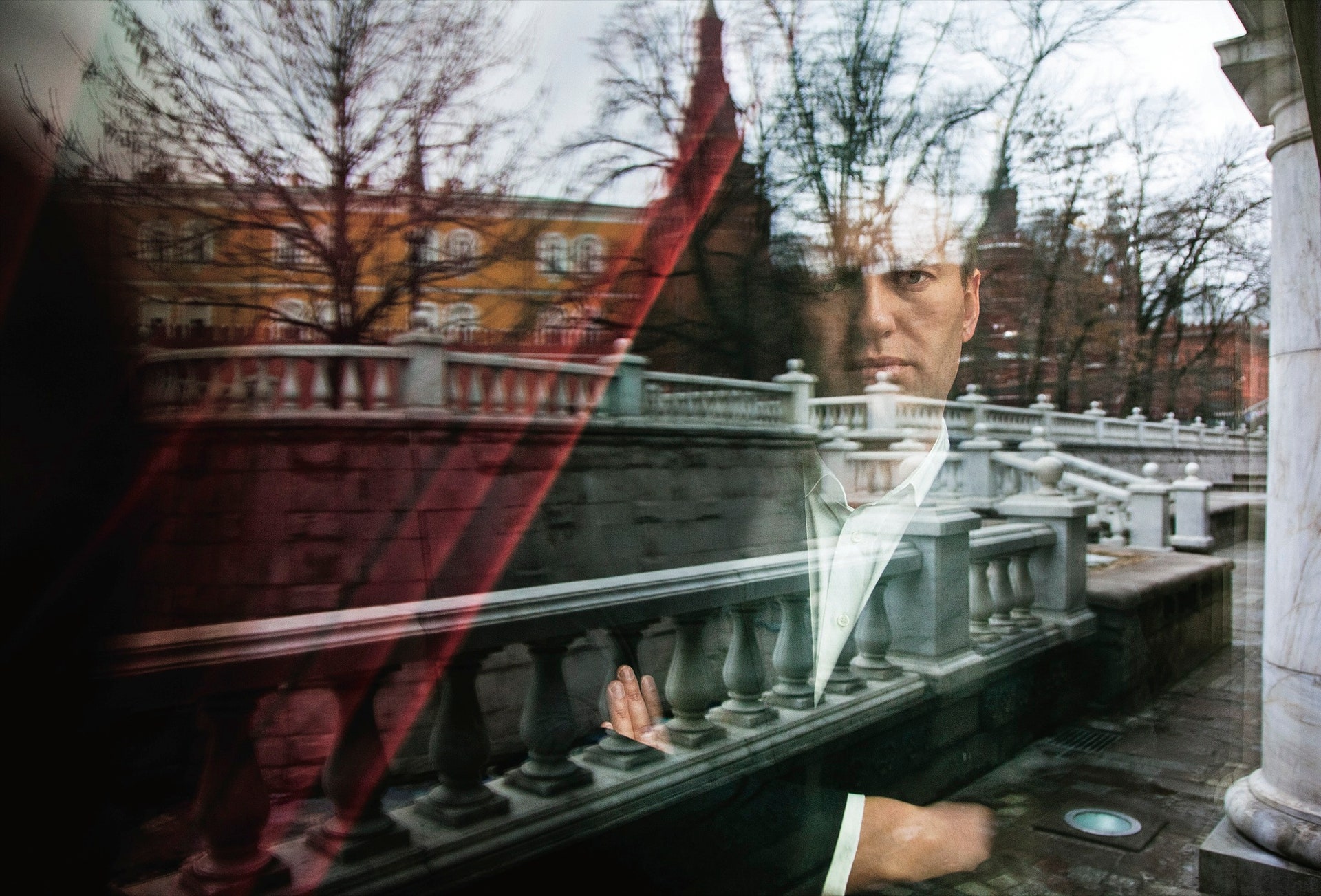
Photograph by Stefano de Luigi

Here goes another martyr, †Alexey Navalny died in Russian’s prison.

Breathtaking portrait of Navalny from 2011 :

Navalny and his supporters are keenly aware of such brutal reprisals. “I have a lot of respect for what he’s doing, but I think they’ll arrest him,” I was told by a high-ranking employee at a state corporation that Navalny is investigating. “He’s taunting really big people and he’s doing it in an open way and showing them that he’s not afraid. In this country, people like that get crushed.” When I asked Navalny’s mother, Lyudmila, if she was afraid for her son, she melted into tears before I even got the question out. “I have forgotten what normal sleep is,” she said. “I believe in what he’s doing, he’s doing the right thing, but I’m not ready. I’m not ready for my son to become a martyr.”
→ The New Yorker

Prophet and Loss

A 2000 piece about the supposed Real Wolf of Wall Street, †Dana Giacchetto :

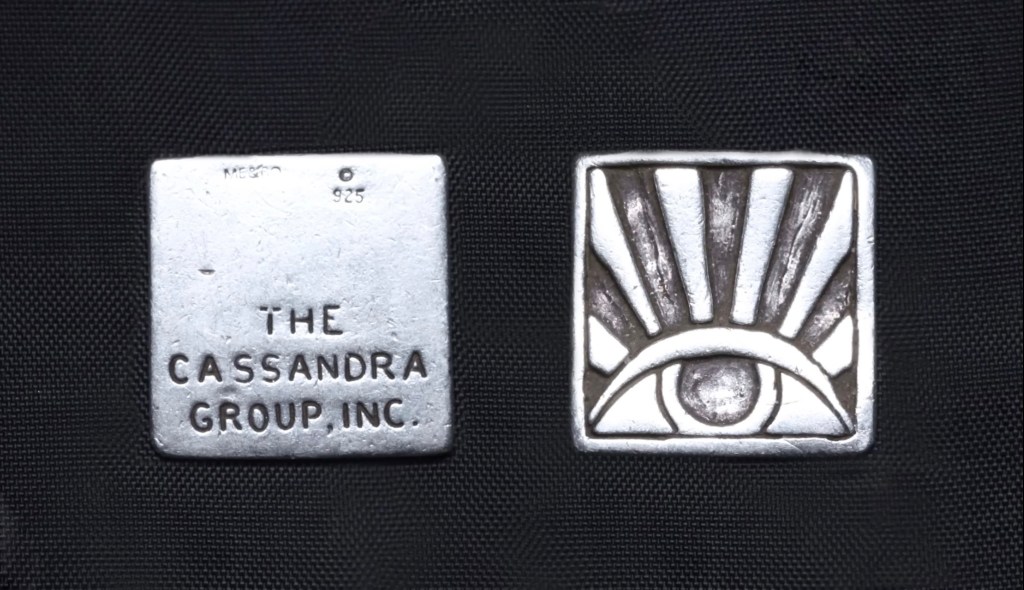
Anxiously tugging at his Dolce & Gabbana T-shirt, Giacchetto launched into a passage from Aeschylus’ Agamemnon, in which Cassandra declares that despite the machinations of her enemies, her legend will endure.

“I am not like a bird,” he intoned, “scared at an empty bush, trembling for nothing. Wait: When you shall see my death atoned with death … then witness for me – these and all my prophecies were utter truth.”

Giacchetto’s New Year’s performance notwithstanding, the mythological character he’s often compared to these days is not Cassandra but Icarus, who got burned flying too close to the sun. “I just had a suspicion it wouldn’t last,” says one intimate. “He was flying too high, had too many people signing on. You knew that if anything ever went wrong, they’d all start jumping ship. He was a New York Magazine article waiting to happen.”

→ New York Magazine

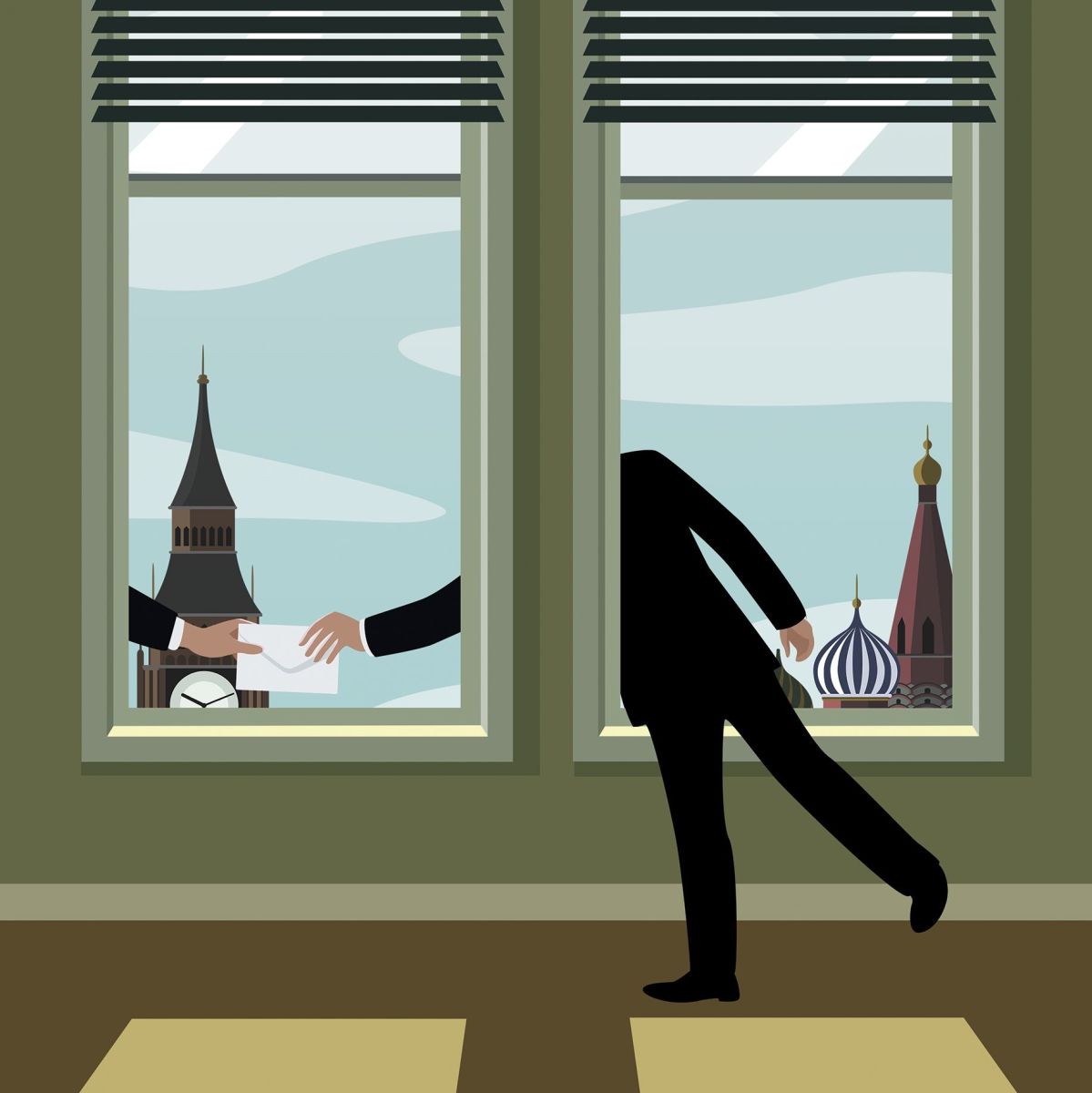
How to Hide $400 Million

Illustration by R. Kikuo Johnson

This didn’t just threaten Oesterlund’s fortune. It also had the potential to carve open a portal into the world of offshore finance, a place that the global elite has spent hundreds of millions of dollars to build and defend. In the offshore archipelago, their interests are hidden behind shell companies and trusts, their anonymity guaranteed under the law, from Delaware to the Bahamas to the South Pacific. James S. Henry, a former chief economist at McKinsey, calls the offshore financial world the “economic equivalent of an astrophysical black hole,” holding at least $21 trillion of the world’s financial wealth, more than the gross domestic product of the United States.

→ The New York Times Magazine

Deutsche Bank’s $10-Billion Scandal

160829_r28563-1199x1200-1471540574
Illustration by Anna Parini
On an April evening in Moscow, I met with a broker who had intimate knowledge of the structure of the mirror trades. The city was emerging from the choking cold of winter, and young people flirted outside Paveletskaya Station as if it were high summer. As the broker and I walked across the square, he characterized mirror trades as just one of a thousand ruses employed by smart businessmen. But why, I asked him, would somebody with a prominent position at a major bank get involved in such a scheme? Wiswell’s annual compensation was in the region of a million and a half dollars. The broker laughed. He said that Wiswell had been paid handsomely by clients of the mirror trades. For the architects of the scheme, the broker explained, it was worth it to bribe someone inside the bank: “Guys always pay something. They think it will hook you, so you are not going to do unexpected things.” In the estimation of the broker, Wiswell was a useful functionary but hardly a criminal genius. Sometimes, the broker said, money was transferred into an offshore account maintained by Wiswell’s wife, and sometimes cash was delivered to Wiswell in a bag.

→ The New Yorker

The Man Who Terrifies Wall Street

Bharara argues that publicizing criminal behavior is a public duty, for the purpose of deterrence. “It’s not my job to put out a ten-point program to fix corruption in New York State,” Bharara told me. “Prosecutors alone are not going to solve the problems. But we do want the problems to be solved. I can say that when you have an overabundance of outside income for legislators, when you have an overconcentration of power in the hands of a few people, and when you have a lack of transparency about how decisions are made and who makes them—that it is our job to point that out. We can give these issues a sense of urgency. A lot of people wake up to the possibility of better government when you start putting people in prison.”

→ The New Yorker