Only recently has art investing been viewed through the lens of modern portfolio theory and considered as a potential alternative investment in a portfolio of assets. Though research continues to shed more light on what has been historically an opaque market, studies show that art can offer long-term return potential that is uncorrelated with other asset classes.
Category: Investments
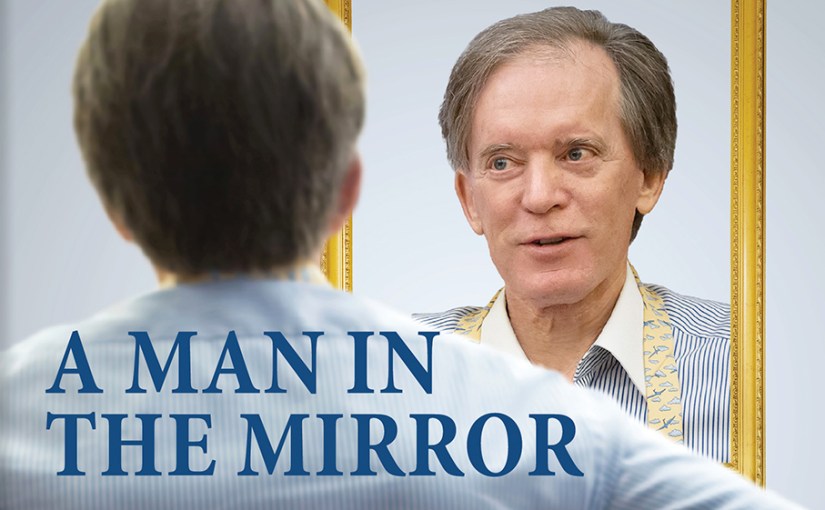
A Man in the Mirror
Bill Gross on our relationship to success, the heydays of investing and Michael Jackson :
Since the early 1970s when the dollar was released from gold and credit began its incredible, liquefying, total return journey to the present day, an investor that took marginal risk, levered it wisely and was conveniently sheltered from periodic bouts of deleveraging or asset withdrawals could, and in some cases, was rewarded with the crown of “greatness.” Perhaps, however, it was the epoch that made the man as opposed to the man that made the epoch.
Oracle: The Worst-Governed, Best-Run Company Around
So, basically, Oracle is a horribly governed company, but it seems to be pretty well run. Which inevitably raises some questions about the true value of the standards and practices that go under the label of good governance.
***
But it’s hard to get around the reality that, so far, the company’s frequent disdain of good-governance practices has gone hand in hand with spectacular, sustained success. It could be that Larry Ellison knows a few things that the governance watchdogs don’t.
Inside the Dark, Lucrative World of Consumer Debt Collection
Some of the deals Siegel made were hugely profitable, while others proved more troublesome. As he soon discovered, after creditors sell off unpaid debts, those debts enter a financial netherworld where strange things can happen. A gamut of players — including debt buyers, collectors, brokers, street hustlers and criminals — all work together, and against one another, to recoup every penny on every dollar. In this often-lawless marketplace, large portfolios of debt — usually in the form of spreadsheets holding debtors’ names, contact information and balances — are bought, sold and sometimes simply stolen.
Greenpeace Statement on Foreign Currency Exchange Losses
The losses are a result of a serious error of judgment by an employee in our International Finance Unit acting beyond the limits of their authority and without following proper procedures. Greenpeace International entered into contracts to buy foreign currency at a fixed exchange rate while the euro was gaining in strength. This resulted in a loss of 3.8 million euros against a range of other currencies.

