Andreessen Horowitz saw the future — but did the future leave it behind?

In many ways, a16z created the playbook for the boom times in tech. During the era of fawning tech journalism and low interest rates, valuations of private companies exploded. Founders were “geniuses” and “rockstars”; it was easy to raise and easy to spend. There were herds of “unicorns,” companies that are valued at more than $1 billion. (This is to say nothing of “decacorns.”) Startups stopped running lean and instead got fat, attempting to outspend their competition.

This strategy is now at least two vibe shifts behind.

→ The Verge

Market Concentration Is Threatening the US Economy

Americans’ need the same resolve in fighting for competition that their corporations have shown in fighting against it.

The challenge, as always, is political. But with US corporations having amassed so much power, there is reason to doubt that the American political system is up to the task of reform. Add to that the globalization of corporate power and the orgy of deregulation and crony capitalism under Trump, and it is clear that Europe will have to take the lead.

[Russian Oligarchs] May Have to Explain Source of Wealth to Get UK Visa

Finally :

Downing Street confirmed it was looking at individuals who were still in the UK and holding tier 1 visas, which allow anyone who invests more than £2m in the British economy to stay for 40 months.

‘Cause it never seemed so :

Responding to the reports on the delay with Abramovich’s visa, the Kremlin claimed that Russian businesses often encountered “unfair and unfriendly” actions when applying to come to the UK.

Those “people” applying for a tier 1 visa are so entangled with the Russian “government” :

But Theresa May’s official spokesman said: “The prime minister has been absolutely clear that our argument is not with the Russian people, our dispute is with the Russian government.”

→ Guardian

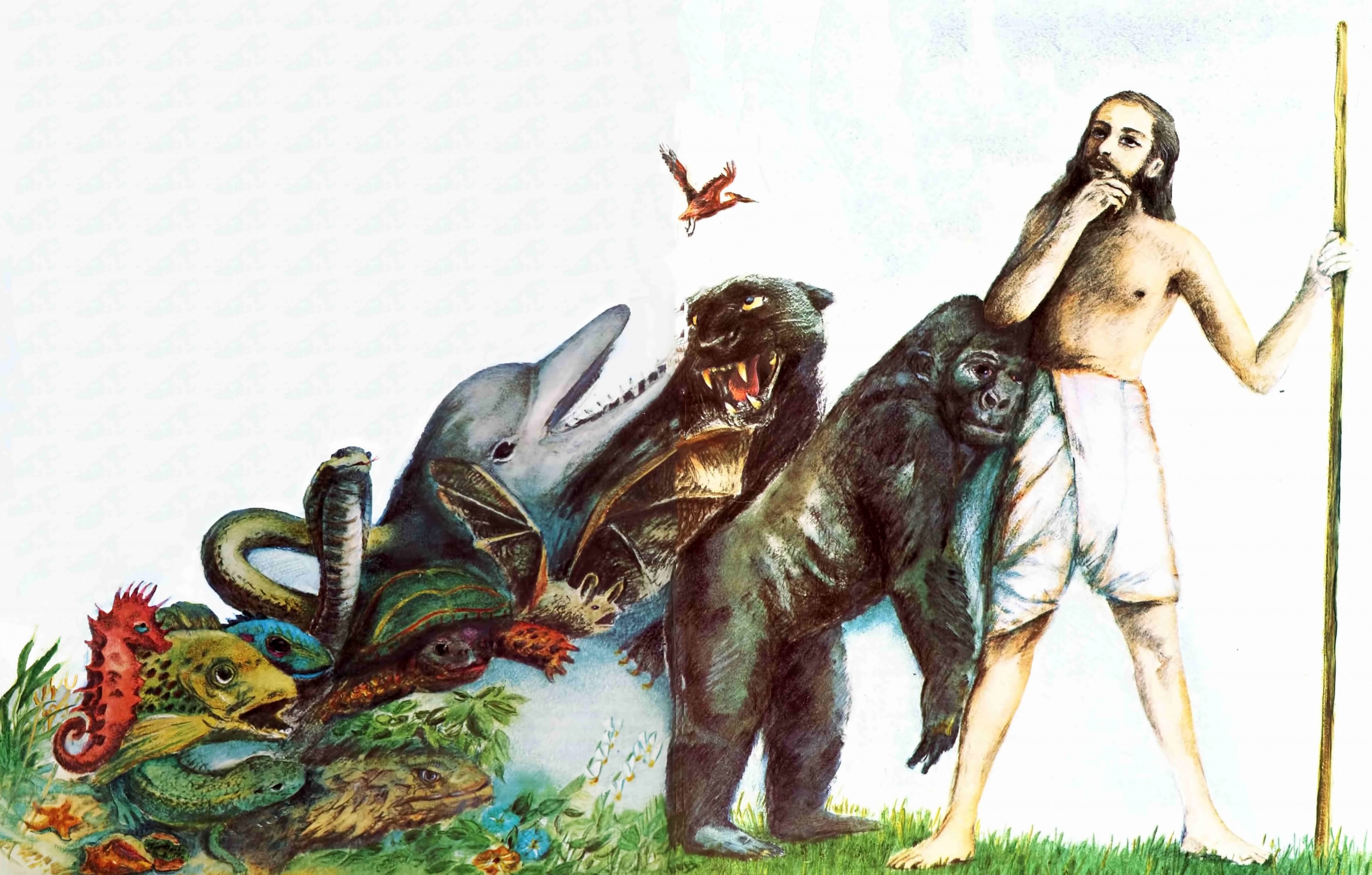
To Become a Better Investor, Think Like Darwin


On financial innovations — read derivatives and securitizations — and the need for more collaboration :

People respond to incentives, and so if we want to take on much bigger challenges, we need to collaborate across thousands and in some cases hundreds of thousands of people. How do you get 100,000 people to work together? It’s not that easy. In the old days, it was religion and before that it was simple fiat rules, tyranny. The Egyptians built some beautiful pyramids, but they did that with hundreds of thousands of slaves over decades. If we rule out slavery as a possible means of societal advances, there really isn’t any other choice. If we need 100,000 people to cure cancer, to deal with Alzheimer’s, to figure out fusion energy and climate change…I don’t know of any other way to do that other than financial markets: equity, debt, proper financing and proper payout of returns. I think that in many cases [finance] probably is the gating factor. That, to me, is the short answer to the question about why finance is so important.

→ Nautilus

The First Trillion Dollars is Always the Hardest

In its first 10 years, the iPhone will have sold at least 1.2 billion units, making it the most successful product of all time. The iPhone also enabled the iOS empire which includes the iPod touch, the iPad, the Apple Watch and Apple TV whose combined total unit sales will reach 1.75 billion units over 10 years. This total is likely to top 2 billion units by the end of 2018.

• • •

The revenues from iOS product sales will reach $980 billion by middle of this year. In addition to hardware Apple also books iOS services revenues (including content) which have totaled more than $100 billion to date.

This means that iOS will have generated over $1 trillion in revenues for Apple sometime this year.

→ Asymco