It’s not a new idea that manufacturing and innovation are linked. Seventy percent of industrial research and development spending in the U.S. comes from the manufacturing sector. Some have been skeptical, however, that innovation requires manufacturing know-how.
Category: Economics
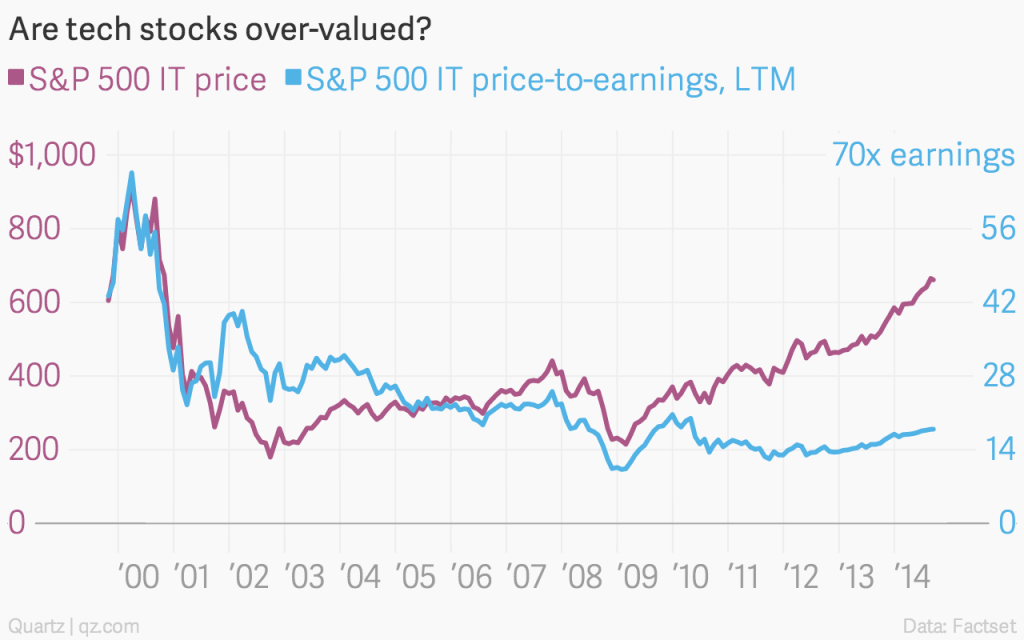
Who Will Get Hurt If a Tech Bubble Pops ?
The Economics of Ebola
When pharmaceutical companies are deciding where to direct their R. & D. money, they naturally assess the potential market for a drug candidate. That means that they have an incentive to target diseases that affect wealthier people (above all, people in the developed world), who can afford to pay a lot. They have an incentive to make drugs that many people will take. And they have an incentive to make drugs that people will take regularly for a long time—drugs like statins.
***
Diseases that mostly affect poor people in poor countries aren’t a research priority, because it’s unlikely that those markets will ever provide a decent return. So diseases like malaria and tuberculosis, which together kill two million people a year, have received less attention from pharmaceutical companies than high cholesterol.
Inside the Dark, Lucrative World of Consumer Debt Collection
Some of the deals Siegel made were hugely profitable, while others proved more troublesome. As he soon discovered, after creditors sell off unpaid debts, those debts enter a financial netherworld where strange things can happen. A gamut of players — including debt buyers, collectors, brokers, street hustlers and criminals — all work together, and against one another, to recoup every penny on every dollar. In this often-lawless marketplace, large portfolios of debt — usually in the form of spreadsheets holding debtors’ names, contact information and balances — are bought, sold and sometimes simply stolen.
The Economics of Pricelessness
As Exhibit A, I give you Apple during the reign of Steve Jobs at the top of the Apple reputation economy. That Apple at the time was primarily a reputation economy, and only secondarily a computing hardware market, is clear from the fact that there is a clear hierarchy in its market, with users at the bottom, genius-bar reps one level up, and an invisible secret church in the background with Jobs at the top. Now that he’s gone, the fate of the company depends on the ability of Tim Cook to play St. Peter well.
 Abnormal Capitalist