Spreadsheet Superstars

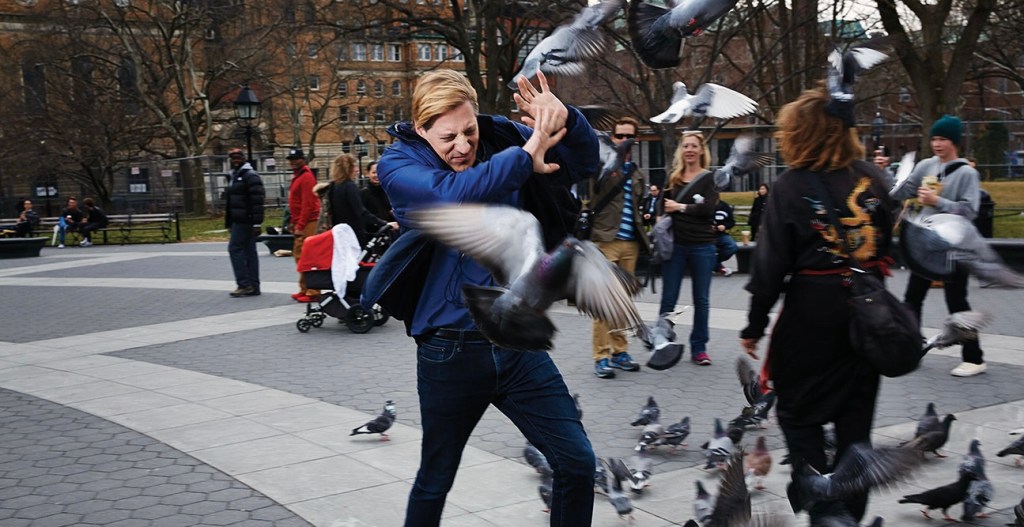
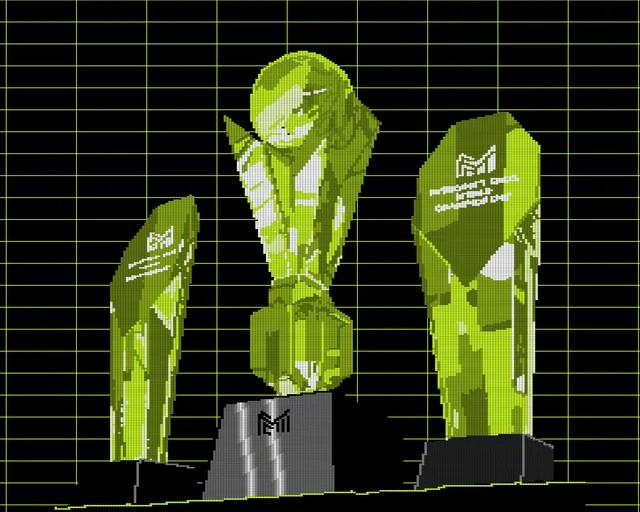
His obnoxiousness stands out even more in this crowd, which seems to skew introverted and mild-mannered. Nobody’s exactly competing for stage time with Lau’s antics. But as uncomfortable as everyone appears to be with his shtick, they also seem to understand his point. After all, these people do puzzles for fun and overwhelmingly do financial modeling for work. For all the fun art projects and life-tracking stuff that everyday people do in Excel, the true customers for these tools are the money guys. The ones who used the advent of the spreadsheet to turn Wall Street into a global industry, that built wildly complicated things like collateralized debt obligations and helped usher in a financial crisis in 2008. The world may not run on spreadsheets, but spreadsheets run the world. Maybe all Lau is doing is saying the quiet part out loud, which is surprisingly uneasy in a room full of finance professionals.
→ The Verge

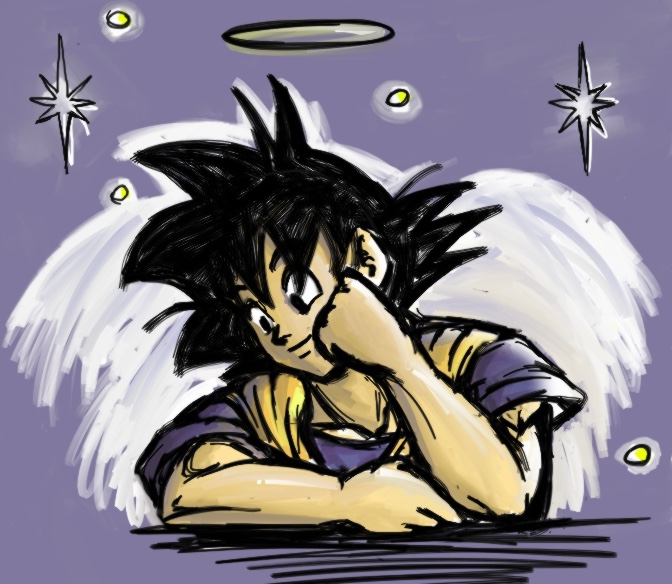
Akira Toriyama, Creator of ‘Dragon Ball,’ Dies at 68

Credit : lauraneato

As far as I can remember, every kids I know of started drawing by sketching Dragon Ball characters—somewhere at home or at school—out of boredom for our mortal world. And so did I and so did my nephews…

さようなら, l’artiste.

The only relevant piece I could find on the man and his creation, from Writers Write :

Toriyama’s world lives and dies on a sense of fun and a welling up of adventurous spirit. The artwork feels effortless yet controlled. The story feels like an unfolding mystery that could go on forever.

Toriyama thrives on chaos. His world is so random and colourful. It contains elements of magic science and religion that should not go together. However, the light-hearted nature of that reality allows it all to blend together into a seamless free flowing narrative.

• • •

Not to delve into Roland Barthes’ Death Of The Author, but Toriyama’s indifference to meaning and story really created a world that people could project their own fantasies onto.

Very much like Star Wars, Dragon Ball is a place that you could see yourself living in. Apart from the various universe ending threats that always seem to get dealt with just in time, it seems almost like a utopia.

→ The New York Times

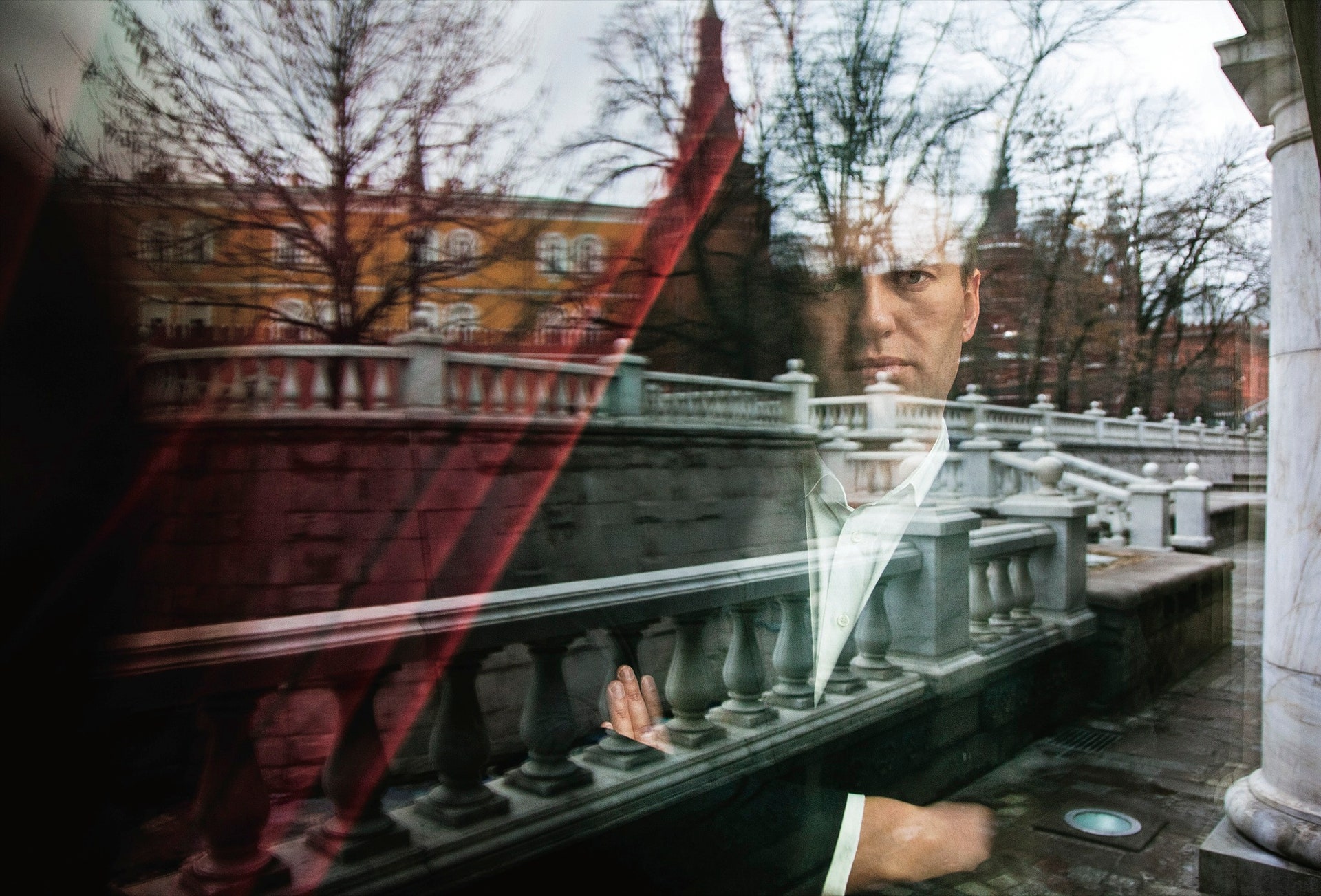
Alexey Navalny Died In Darkness

Photograph by Stefano de Luigi

Here goes another martyr, †Alexey Navalny died in Russian’s prison.

Breathtaking portrait of Navalny from 2011 :

Navalny and his supporters are keenly aware of such brutal reprisals. “I have a lot of respect for what he’s doing, but I think they’ll arrest him,” I was told by a high-ranking employee at a state corporation that Navalny is investigating. “He’s taunting really big people and he’s doing it in an open way and showing them that he’s not afraid. In this country, people like that get crushed.” When I asked Navalny’s mother, Lyudmila, if she was afraid for her son, she melted into tears before I even got the question out. “I have forgotten what normal sleep is,” she said. “I believe in what he’s doing, he’s doing the right thing, but I’m not ready. I’m not ready for my son to become a martyr.”

→ The New Yorker

Prophet and Loss

A 2000 piece about the supposed Real Wolf of Wall Street, †Dana Giacchetto :

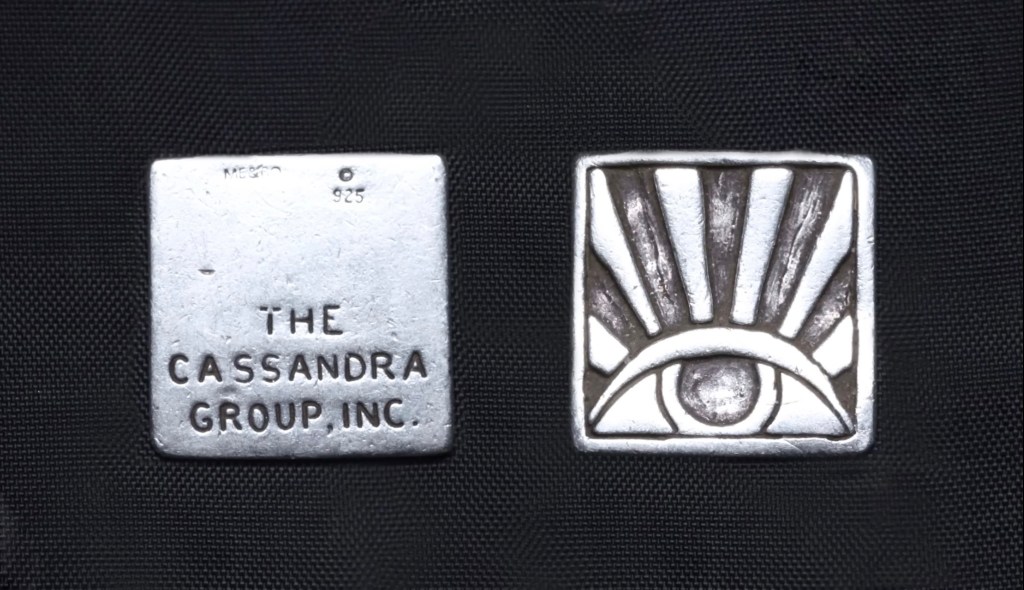
Anxiously tugging at his Dolce & Gabbana T-shirt, Giacchetto launched into a passage from Aeschylus’ Agamemnon, in which Cassandra declares that despite the machinations of her enemies, her legend will endure.

“I am not like a bird,” he intoned, “scared at an empty bush, trembling for nothing. Wait: When you shall see my death atoned with death … then witness for me – these and all my prophecies were utter truth.”

Giacchetto’s New Year’s performance notwithstanding, the mythological character he’s often compared to these days is not Cassandra but Icarus, who got burned flying too close to the sun. “I just had a suspicion it wouldn’t last,” says one intimate. “He was flying too high, had too many people signing on. You knew that if anything ever went wrong, they’d all start jumping ship. He was a New York Magazine article waiting to happen.”

→ New York Magazine

The Gospel of Jodeci

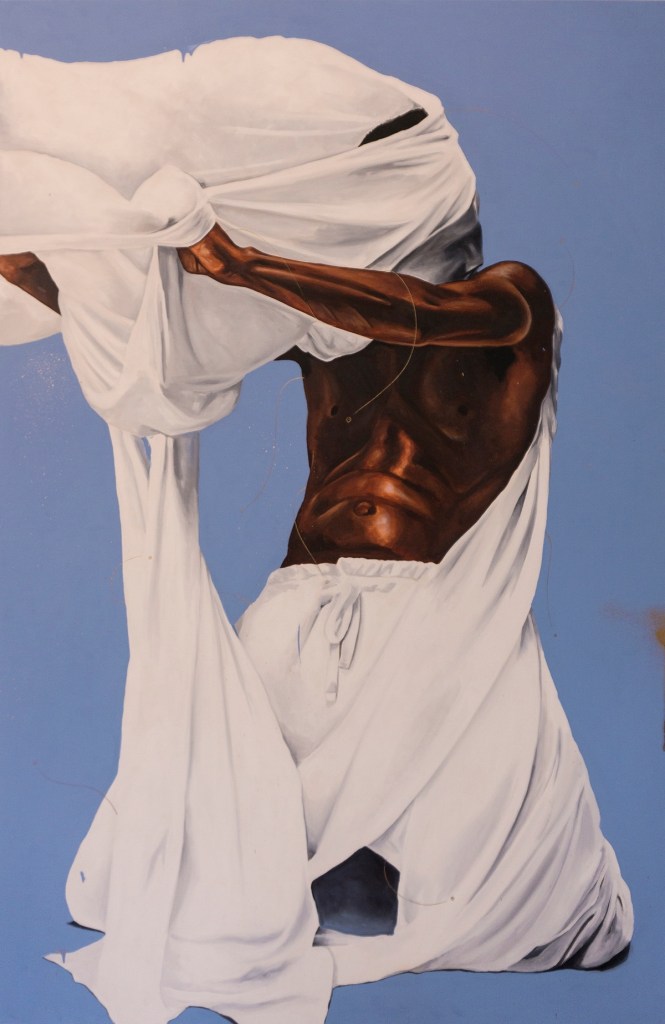
“Off White” (2018), by Fahamu Pecou

Perverse? Yes. Blasphemous? Maybe. But not irreconcilable. To contemplate the meaning of Jodeci is to grasp at the intersection of religion and excess, of devotion and abandon, of agape and eros—a space where holiness and hedonism coincide. Sacred and erotic poetry, after all, are not dichotomous, but rather the most intimate and ancient of bedfellows, from Sufi mysticism to Ovidian elegy. The meme may be “If the Love Doesn’t Feel Like ’90s R&B I Don’t Want It,” but literary history knows that Jodeci’s ars amatoria continues a millennia-old poetic program that welds the object of affection to something of the divine, a slippage between the beloved and the god, which the poet-scholar L. Lamar Wilson describes as “sacrilegion,” a never-ending hunger for the unattainable object of erotic perfection.

→ Oxford American