The Secret Life of Time


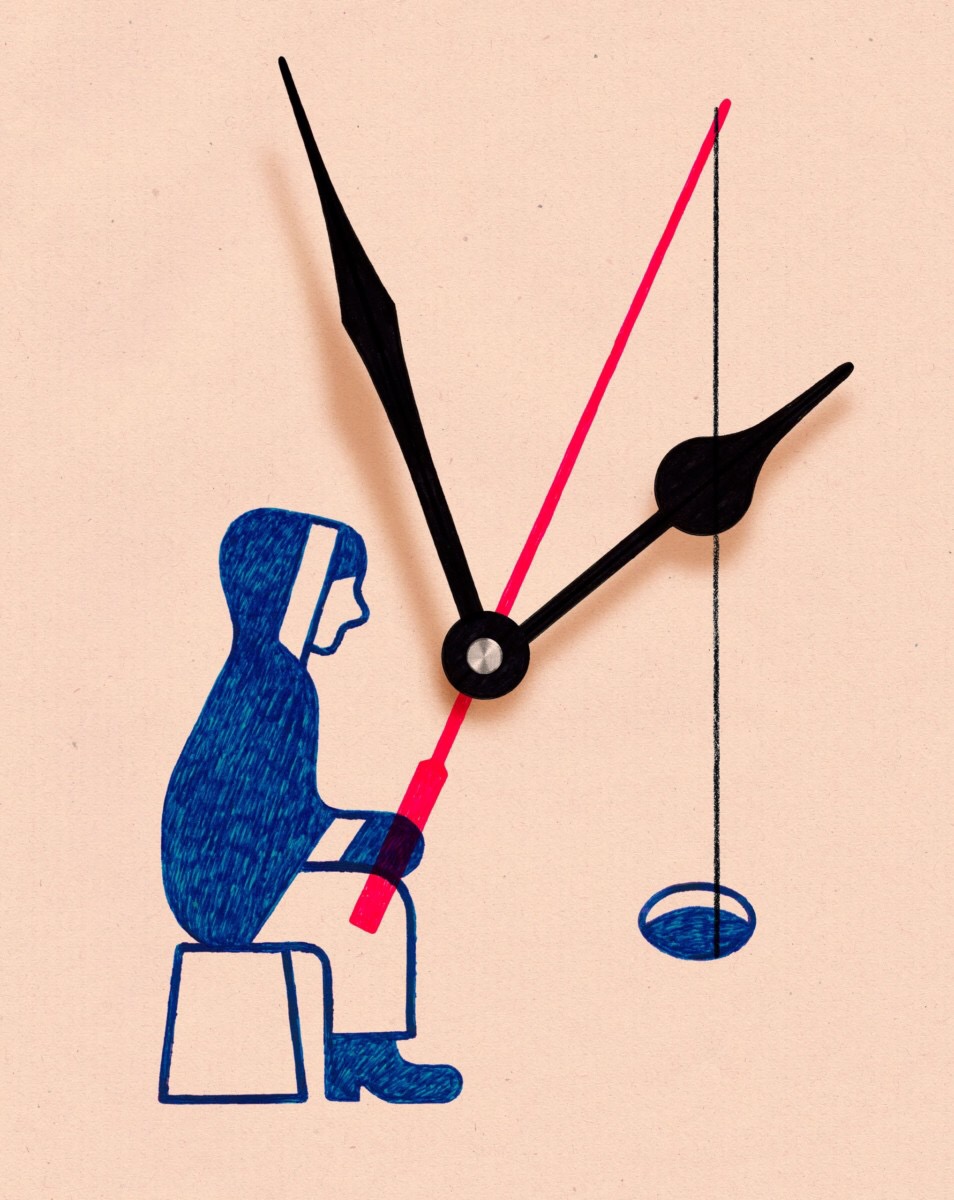
For more than two thousand years, the world’s great minds have argued about the essence of time. Is it finite or infinite? Does it flow like a river or is it granular, proceeding in small bits, like sand trickling through an hourglass? And what is the present? Is now an indivisible instant, a line of vapor between the past and the future? Or is it an instant that can be measured—and, if so, how long is it? And what lies between the instants? “The instant, this strange nature, is something inserted between motion and rest, and it is in no time at all,” Plato remarked in the fourth century B.C.E. “But into it and from it what is moved changes to being at rest, and what is at rest to being moved.”

→ The New Yorker

Untamed


On making friends with animals—the story of my life :

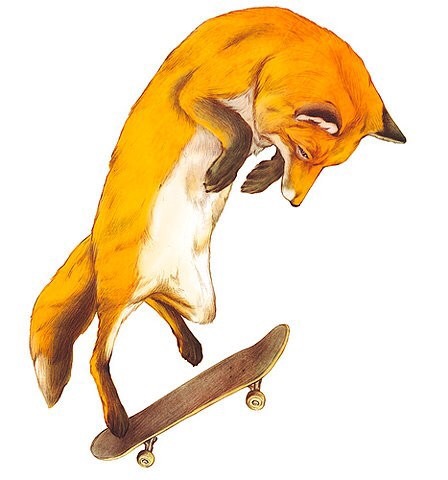
There was a canopy of leaves over my head. Once I moved beyond it, the moon lit my path, so I turned off the flashlight. I’d expected Carol to be gone by that point, but for the next half mile, all the way home, she walked with me, sometimes by my side and sometimes a few steps ahead, leading the way. No cars approached or passed. The road was ours, and we marched right down the center of it, all the way to the front of the house and then through the garden gate to the kitchen door. Just me and my wild friend Carol.

→ The New Yorker

Why You Can’t Help But Act Your Age

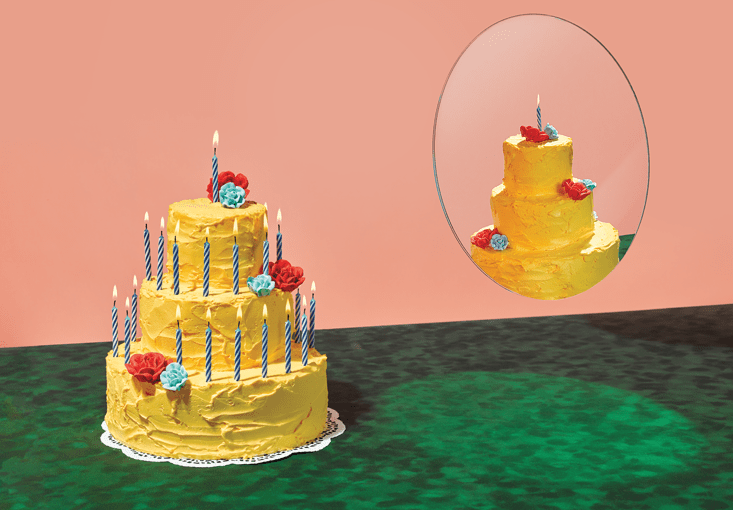
Most of us are slaves to our chronological age, behaving, as the saying goes, age-appropriately. For example, young people often take steps to recover from a minor injury, whereas someone in their 80s may accept the pain that comes with the injury and be less proactive in addressing the problem. “Many people, because of societal expectations, all too often say, ‘Well, what do you expect, as you get older you fall apart,’ ” says Langer. “So, they don’t do the things to make themselves better, and it becomes a self-fulfilling prophecy.”

It’s this perception of one’s age, or subjective age, that interests Antonio Terracciano, a psychologist and gerontologist at Florida State University College of Medicine. Horvath’s work shows that biological age is correlated with diseases. Can one say the same thing about subjective age?

→ Nautilus

Truth is a Lost Game in Turkey. Don’t Let the Same Thing Happen to You

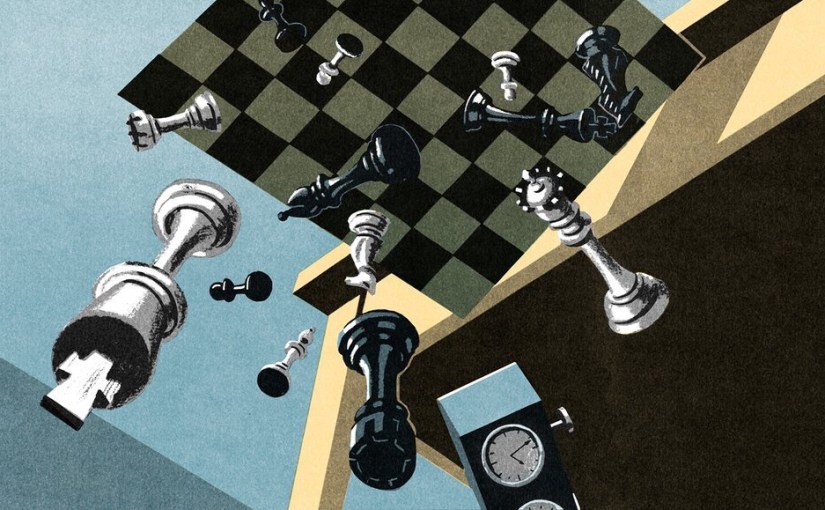
This refashioning of a post-truth, post-fact Turkey has not happened overnight. The process has involved the skilful and wilful manipulation of narratives. We gave up some time ago asking the astonished questions “How can they say or do that?” some time ago. Truth is a lost game in my country. In Europe and America, you still have time to rescue it – but you must learn from Turkey how easily it can be lost.

• • •


We found, as you are now finding, that the new truth-building process does not require facts or the underpinning of agreed values. We were confronted – as you are being confronted – by a toxic vocabulary: “elite”, “experts”, “real people” and “alienated intellectuals”. The elite, with experts as mouthpieces of that oppressive elite, were portrayed as people detached from society, willing to suppress the needs, choices and beliefs of “real people”.


Events moved quickly. Those who believed experts should be excluded from the truth-building process, and that the facts were too boring to be bothered with, became the most active participants in a reconstruction of their own truth. The magic word was “respect”, with the demand that the elite, since they were so out of touch, should respect real people’s truth.

→ The Guardian

The Voice in Your Head

Given that thoughts are a jumble of fragments and pieces, it occurred to me that a recorded transcript of those jumbled pieces actually might not be very illuminating. It might not even be intelligible. Meanwhile the (admittedly much more arduous) process of writing down my thoughts had been surprisingly enlightening. In one swoop, my brain was capable of detecting the patchy notions swirling in my mind, filling in their gaps to make them whole—that is, adding the stripes—and then evaluating them for their credibility and value, or lack thereof.

In other words, my own brain was a brain decoder. It required a lot more effort than merely using a digital recorder as I’d imagined, but it was also a whole lot more sophisticated—say, a trillion times more—than anything scientists have conceived of inventing.

→ Guernica Magazine