How The New York Times Works

Dive into the making and delivery of the most influential print newspaper and digital news site in the world :

Booth got here at 4 p.m. and will work until the last truck leaves. “Sometimes we’ll get out at 3, sometimes we’ll get out at 7,” he says. “You’re dealing with night people—we’re vampires here.” Tomorrow morning, most readers will think nothing of the fact that the paper was at their door at the same time yesterday and the day before that and the day before that. They may also think nothing of the fact that, at the moment they bend down to pick it up, some of the stories in the print version have already been updated on their phones and tablets, and new stories have been added, too: the score of a double-overtime game that ended too late, or news out of India that broke overnight. And all of these stories, the total daily and nightly output from all the desks at the Times—news from Washington and Ukraine and Sacramento and St. Louis and Staten Island and Mexico City, reviews of movies that open tomorrow and of TV shows that aired last night, opinion pieces, recipes, weekly sections on home design and science and real estate and style and books—feed a larger world of news that never stops consuming. The growing universe of digital news outlets includes a great many amalgamators, recyclers of other people’s reporting. Some report their own stories, but it is the Times that provides by far the most coverage of the most subjects in the most reliable way. The Times is a monster, a sprawling organization, the most influential print newspaper and digital news site in the world.
→ Popular Mechanics

Most

We go visual today :

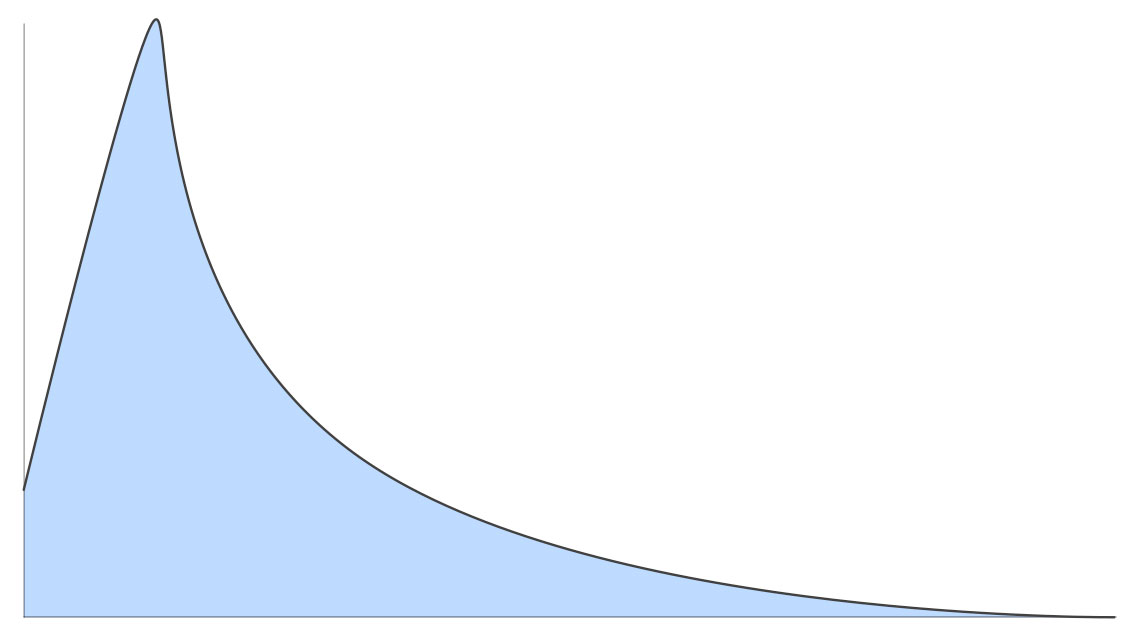
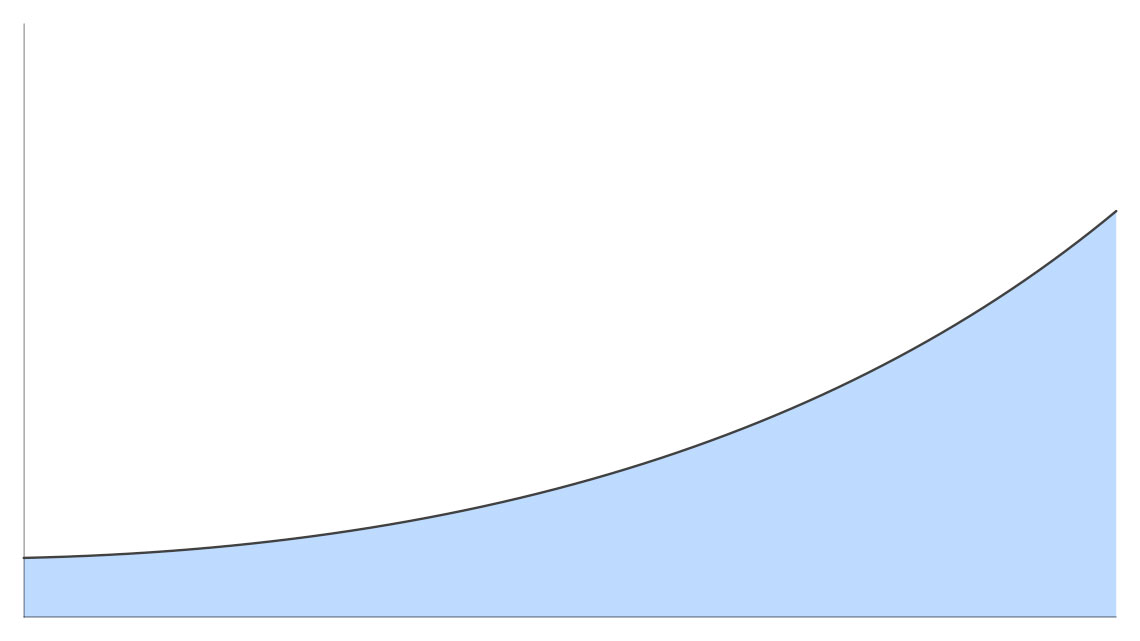
The “most” customers others are chasing are fickle and ultimately worth little to a young business just getting started. They might give you money in the short term, but then they move on to other things. They don’t sell your products to the next five customers. They just drop you as soon as another shiny object passes by.

Chasing “most” gets you a sales chart like this:

saleschart1

Instead of a chart like this:

saleschart2

→ Joe Cieplinski

The Easiest Way to Get More Done? Work Fewer Hours.

IMG_0926.PNG

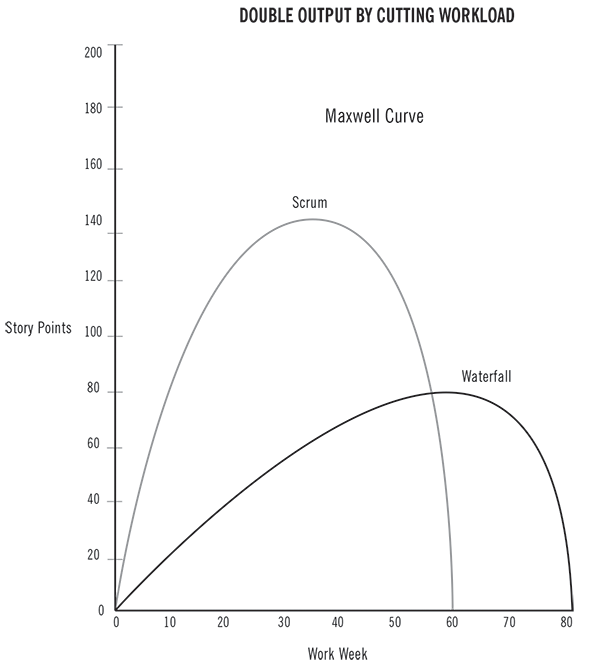
But why does working fewer hours mean you get more done? It doesn’t seem to make sense on the face of it. Maxwell says that people who work too many hours start making mistakes, which can actually take more effort to fix than to create. Overworked employees get more distracted and begin distracting others. Soon they’re making bad decisions.

→ Slate Magazine

Achieving Your Life’s Work

Michelangelo did not look up one day, climb a ladder, paint the ceiling of the Sistine Chapel, and then head home for dinner. He worked, toiled, and struggled for four long years. He lay on his back (a not-too-comfortable position to work in at length) and committed to bringing a vision to life. He endured plaster falling on his face and plans foiled and reformed. Today we are the great beneficiaries as we look up at the soaring frescoes that stand as a testament to that commitment.

→ Gneo

Oracle: The Worst-Governed, Best-Run Company Around

So, basically, Oracle is a horribly governed company, but it seems to be pretty well run. Which inevitably raises some questions about the true value of the standards and practices that go under the label of good governance.

***

But it’s hard to get around the reality that, so far, the company’s frequent disdain of good-governance practices has gone hand in hand with spectacular, sustained success. It could be that Larry Ellison knows a few things that the governance watchdogs don’t.

→ Harvard Business Review