The Buddha Of Kabul

Credit : Steve McCurry
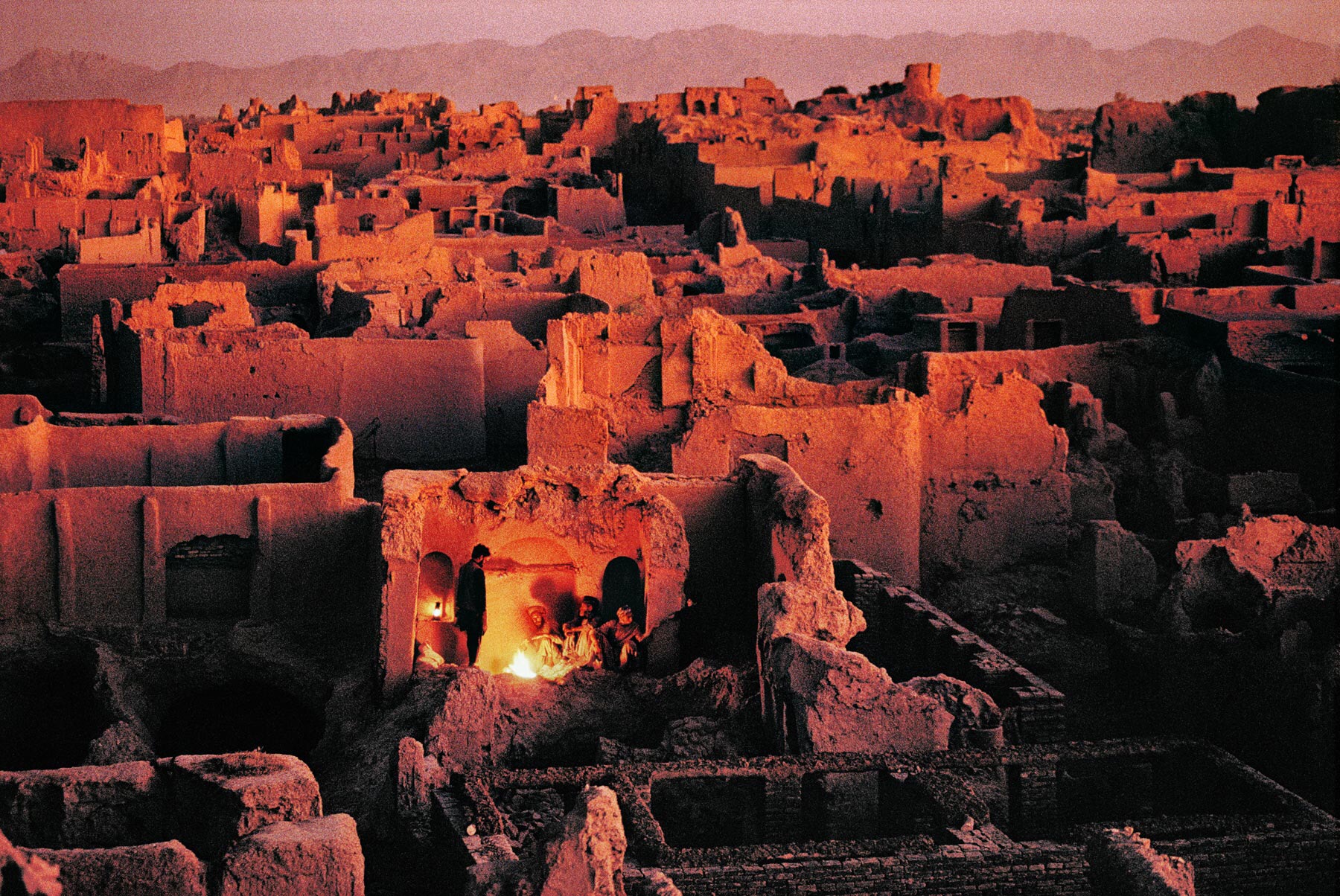
When I first came to Kabul, I had, like so many others, known it through war. Moments like these forced me to ask myself why it should come as a revelation that a 3,000-year-old city has layers that are diverse and different from its present. It says something about the way we perceive and talk about Kabul. Perhaps it is just human nature to ignore what is buried and only pay attention to what is apparent and overt. But occasionally, the city raises an aspect of its past almost as if to prove that it did exist, as a reminder of how much is lost, and how much remains within.

• • •

These links to the past are so fragile, made of clay and dust. So easy to break, so easy to return to the earth they came from. Yet these are also the objects that remind the forgetful world, and Afghans themselves, of what they used to be, of the confluence of ideas and civilizations that formed their khak, their ancestry. When I asked Zafar why he works so hard to excavate and preserve the material remains of Afghanistan’s history, he replied flippantly, “Because I am in love with Buddhism, and archaeology.” If so, it is a fraught romance, as the country’s past has been erased over years of war, and now, over an uncertain, uneven peace. Zafar has learned to be like the patient lover of a volatile partner. He cherishes what he has, without asking how long it will stay.

→ Guernica Magazine

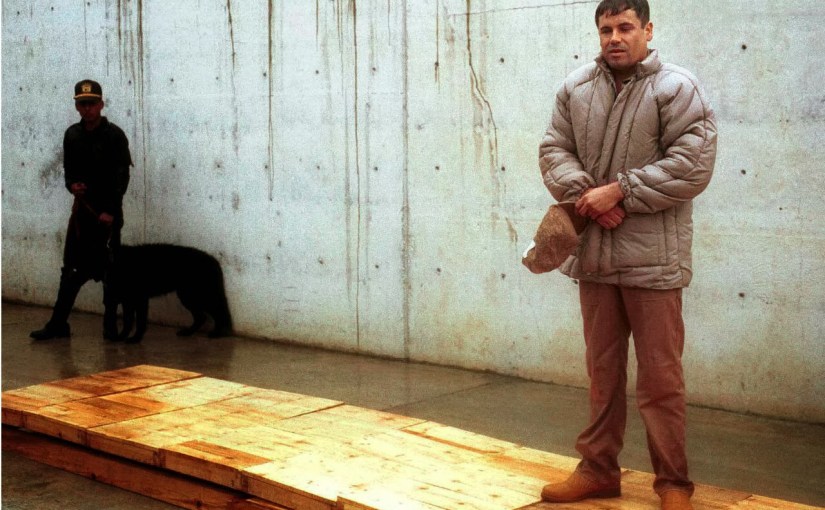
El Chapo Speaks

Sean Penn :

I take no pride in keeping secrets that may be perceived as protecting criminals, nor do I have any gloating arrogance at posing for selfies with unknowing security men. But I’m in my rhythm. Everything I say to everyone must be true. As true as it is compartmentalized. The trust that El Chapo had extended to us was not to be fucked with. This will be the first interview El Chapo had ever granted outside an interrogation room, leaving me no precedent by which to measure the hazards. I’d seen plenty of video and graphic photography of those beheaded, exploded, dismembered or bullet-riddled innocents, activists, courageous journalists and cartel enemies alike. I was highly aware of committed DEA and other law-enforcement officers and soldiers, both Mexican and American, who had lost their lives executing the policies of the War on Drugs. The families decimated, and institutions corrupted.

• • •

Still, today, there are little boys in Sinaloa who draw play-money pesos, whose fathers and grandfathers before them harvested the only product they’d ever known to morph those play pesos into real dollars. They wonder at our outrage as we, our children, friends, neighbors, bosses, banks, brothers and sisters finance the whole damn thing. Without a paradigm shift, understanding the economics and illness of addiction, parents in Mexico and the U.S. will increasingly risk replacing that standard parting question to their teens off for a social evening – from “Where are you going tonight?” to “Where are you dying tonight?”

El Chapo? It won’t be long, I’m sure, before the Sinaloa cartel’s next shipment into the United States is the man himself.

→ Rolling Stone
Can Myanmar’s New Government Control Its Military?

The group was tired, but also optimistic. Yangon is an N.L.D. stronghold and, although the final results wouldn’t be released until the next day, they predicted that Tint would win. All three had spent years in military prisons for resisting the regime. Kyaw, the campaign manager, shared a hundred-square-foot prison cell with two other men for eight years, as punishment for participating in the 1988 student movement against military rule. “Back then prison was the place for people who believed in democracy,” he said, laughing. “Now it’s Parliament.” More than fifty former political prisoners were candidates.

→ The New Yorker

Why Your Phone Battery Is Rubbish

What about the rest of us? Can we expect our gadgets to last longer than a day any time soon? “As long as our batteries are based on a chemical reaction, we will have huge limitations,” Buchmann says. “The health of a battery is almost like the health of a living organism or human being. We have to take care of it.” Limer says: “I don’t think things will change much in 10 years. A realistic future to hope for is one where even in extreme heavy use you can get through a day without losing your battery.” Right now, he adds, what we have is “a battery stalemate”.

→ The Guardian

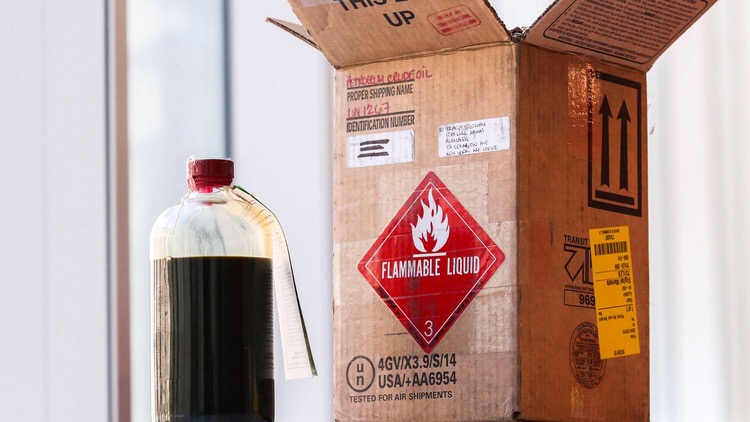
That Time I Tried to Buy an Actual Barrel of Crude Oil


On how to buy, store and trade an actual pint of oil. Hilarious :

If gold is the equivalent of a pet rock, then I can confidently say that oil is the equivalent of playing host to a herd of feral cats; it demands constant vigilance and maintenance. If gathered in sufficient quantities, it will probably try to kill you, or at least severely harm your health.

• • •

The ideal oil storage trade works something like this: Buy the crude and immediately agree to deliver it at a later date, thereby locking in the difference between the spot and futures prices for what is, in theory, a riskless profit. In 2008, when the forward price of oil vastly eclipsed the spot price, this kind of arbitrage could net a hefty return.

A true oil storage trade therefore required an early buyer. The usual suspects—think Glencore and Trafigura—wouldn’t dream of touching my puny amount oil, of course. So I looked further afield, all the way to my ex-colleagues, who I thought surely must still harbor those long-ago dreams of owning Black Gold.

→ Bloomberg