The Financial Times And The Future Of Journalism

John Cassidy interviews John Ridding, the F.T.’s chief executive :

With my time almost up, I asked Ridding if he believed that the existential threat to serious journalism had now passed. “Well, I never believed in the existential threat to journalism,” he said. “I believed in some major challenges to the business model that supported journalism. But we were very confident—it was almost an instinctive belief within the F.T.—that quality journalism has a value, and that there is a business model … if you have the confidence to charge for it. Remember, when we did start charging online, we were regarded as sort of freakish, particularly in the U.S., particularly on the West Coast of the U.S. But we fundamentally believed that if it’s quality journalism, people will pay for it. That’s been vindicated.”
→ The New Yorker

Unclouded Vision

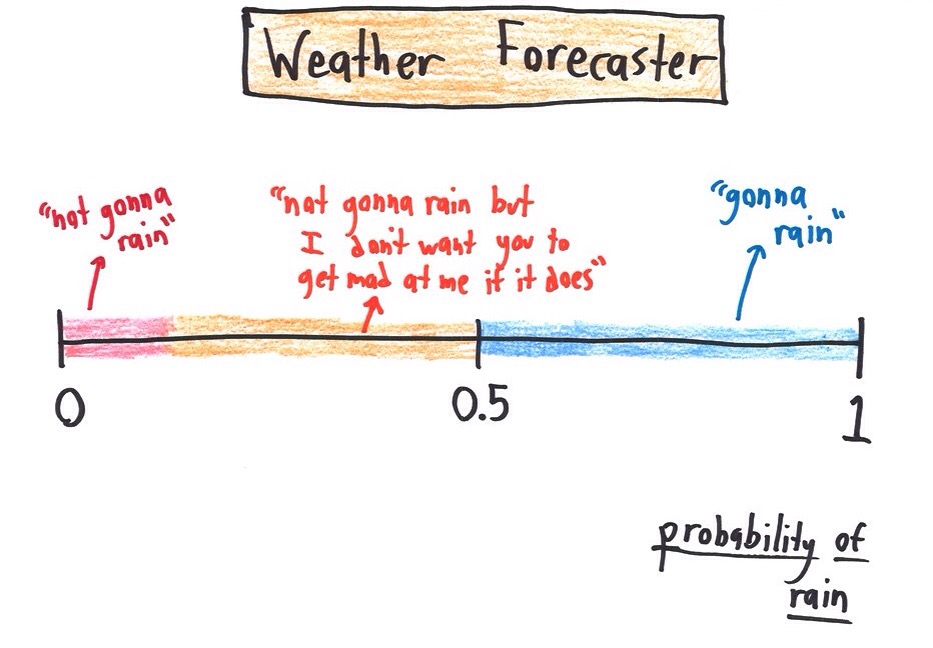
Prediction, like medicine in the early 20th century, is still mostly based on eminence rather than evidence. The most famous forecasters in the world are newspaper columnists and television pundits. Superforecasters make for bad media stars. Caution, nuance and healthy scepticism are less telegenic than big hair, a dazzling smile and simplistic, confident pronouncements. But even if the hoped-for revolution never arrives, the techniques and habits of mind set out in this book are a gift to anyone who has to think about what the future might bring. In other words, to everyone.

→ The Economist

Apple Is Building Its Largest Startup Ever

Meanwhile in Cupertino, CA :

Apple’s ultimate success with Project Titan will depend not on whether Apple can build autonomous features into an automobile or come up with a breakthrough user interface. Rather, those features are byproducts of the much bigger product that Apple is trying to build: the best team of automotive experts in the world. Even though Apple prides itself on a culture that puts the product first, the biggest risk factor to Apple Car is corporate politics and too many layers of management and decision-making. Success will come from allowing ideas to grow from the design labs to showroom without having interference.

→ Above Avalon

Seven Reasons Volkswagen Is Worse Than Enron

The comparison is fair, Europe signed a blank cheque to an industry they rely on so heavily. 

Though, I diverge from what is a rather alarming picture : VW will never be allowed to go down, at any cost for the German government. 

The real issue may be that other car manufacturers are part of this scheme — among them the Daimler Group, which would add up quite a bit to the bill as it is another major German champion. 

Second, led by Volkswagen, Europe’s car manufacturers lobbied hard for governments to promote the adoption of diesel engines as a way to reduce carbon emissions. Whereas diesel engines power fewer than 5 per cent of passenger cars in the US, where regulators uncovered the fraud, they constitute more than 50 per cent of the market in Europe thanks in large part to generous government incentives.

It was bad enough that Enron’s chief executive urged employees to buy the company’s stock. This, however, is the equivalent of the US government offering tax breaks at Enron’s behest to get half of US households to buy stock propped up by fraudulent accounting.

→ The Financial Times