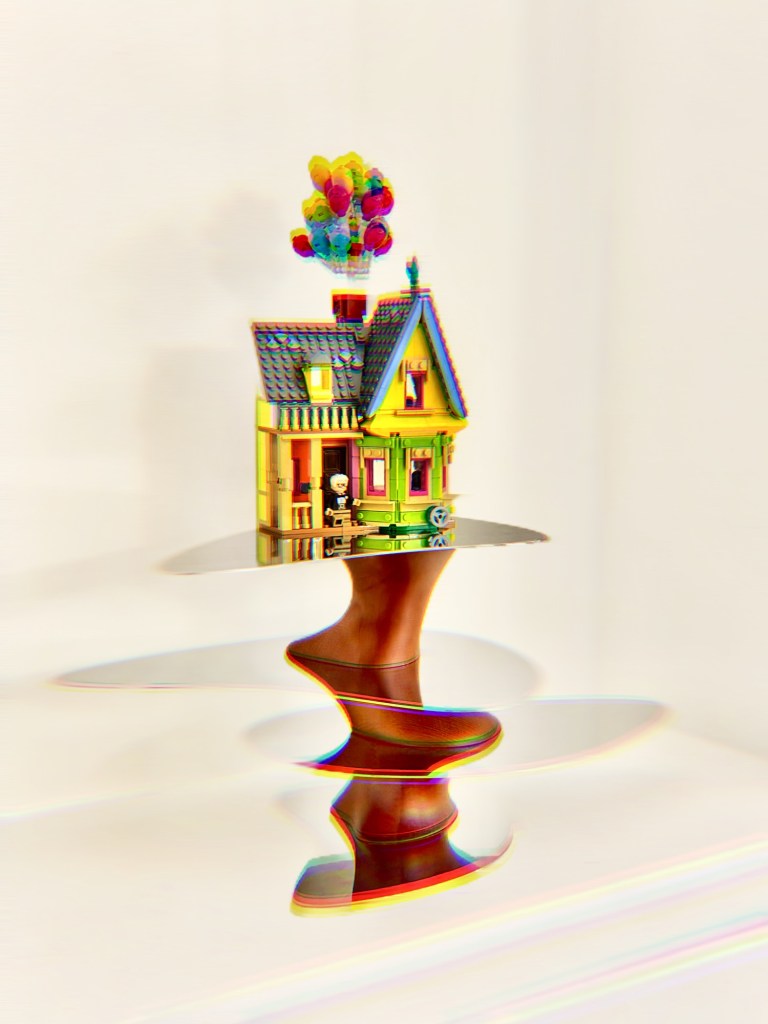
It began with a quiet transaction in a park. Surrounded by the very nature that inspired its form, I acquired the pieces of Ma Yansong’s Floating Earth from a private seller. At that moment, it was just a dismantled puzzle of wood and stainless steel, slightly weathered and forgotten. As the artist himself wrote of the piece, the earth often fades from sight, and seems not to exist. Yet she persists.
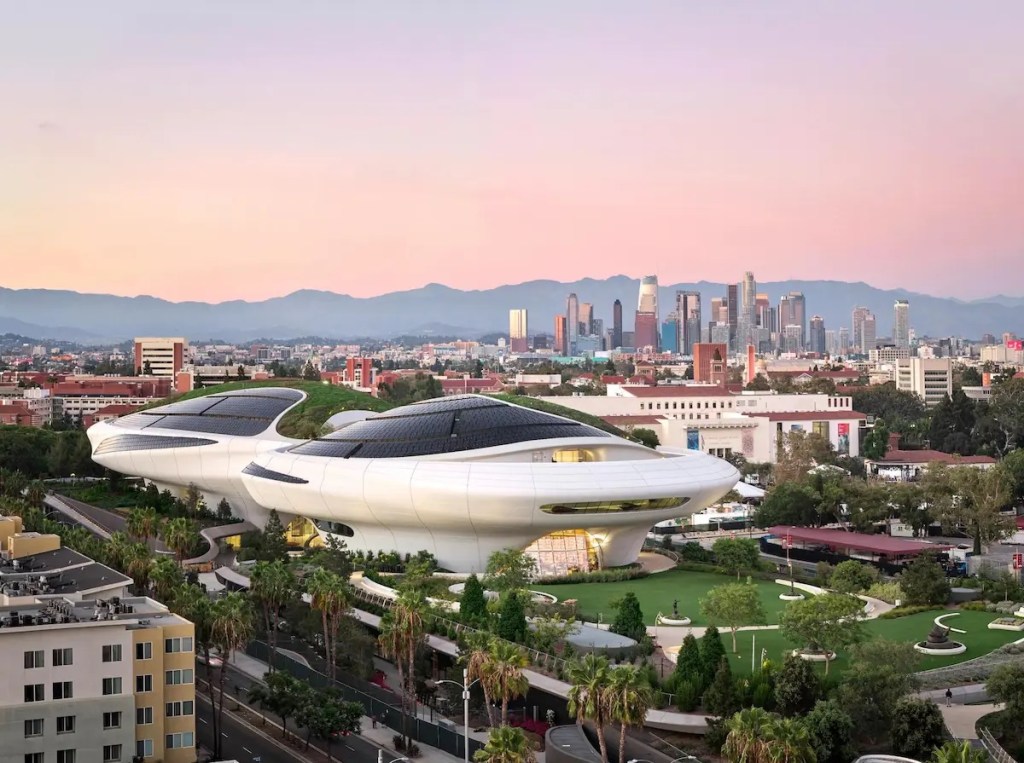
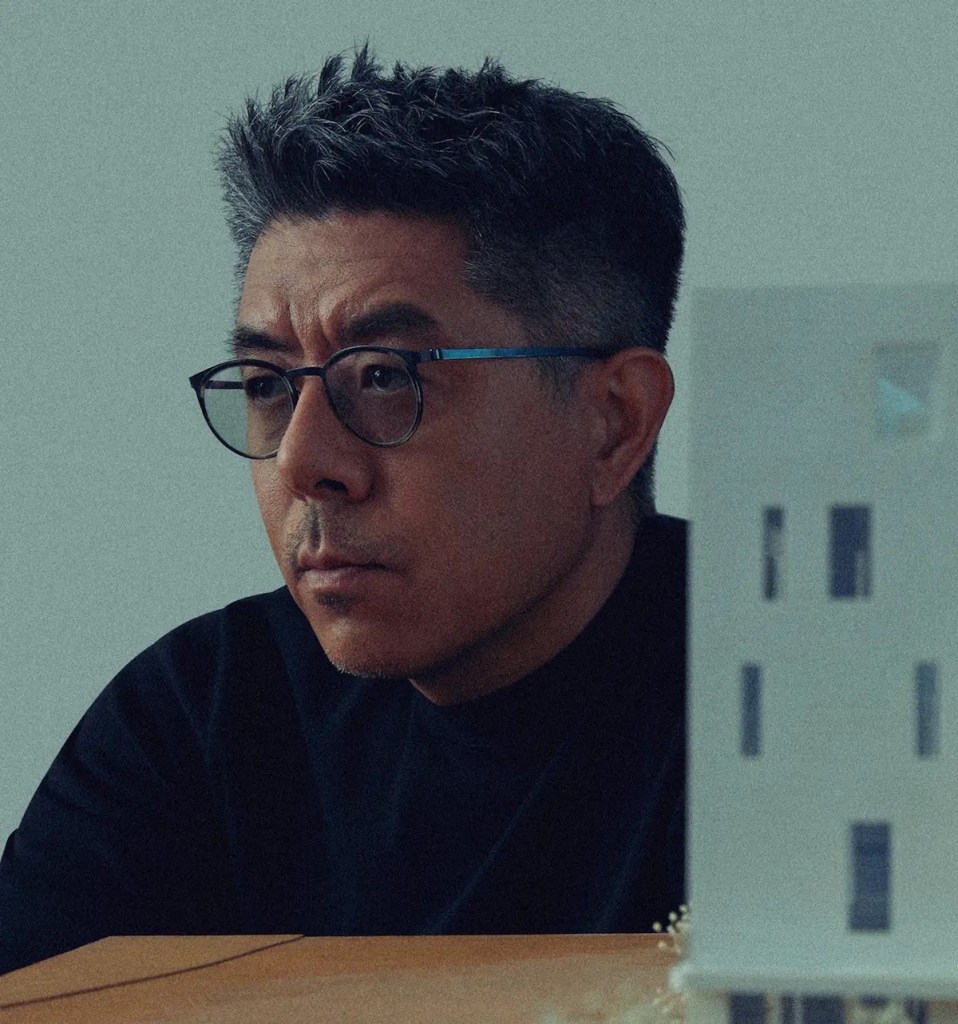
Taking it home that night, the restoration began. It was only then, sitting with the scattered pieces, that I discovered a striking fact: its creator, Ma Yansong, is the visionary architect behind the monumental Lucas Museum of Narrative Art in Los Angeles. Suddenly, this domestic object carried the DNA of a titanic cultural institution. There is a distinct, almost meditative intimacy in cleaning an object of design with such provenance. Wiping away the dust from the organic wooden tiers, polishing the reflective gleam back into the cold steel, I began carefully twisting the central rod back into its axis. With every turn of this single stem, a new stratum locked into place. I wasn’t just fixing a tray; I was erecting a topography. As Ma envisioned, each rising layer became a tower storey, an unscripted space full of kinetic potential.
“By wisdom a house is built, and through understanding it is established; through knowledge its rooms are filled with rare and beautiful treasures.” — Proverbs 24:3-4
Through the simple, mechanical act of assembly, the object reclaimed its purpose as a foundation for the home and the city—a rare and beautiful treasure in itself. But while the tray physically grounds our domestic space, its conceptual soul is constantly pulling upward. It refuses to be just a heavy, static base. This tension between being rooted and wanting to rise is beautifully captured by Ma Yansong himself. In the poem accompanying the piece, he shifts the perspective entirely away from the structures we arrogantly build upon the ground, revealing instead the earth’s own independent longing: There is nothing without the earth and yet the earth is not here for us – she can leave anytime. It is the blue sky that she loves.
This inherent desire for upward movement—this yearning for the blue sky—mirrors one of the most profound architectural and emotional feats in modern storytelling: Pixar’s Up.
Carl Fredricksen doesn’t just travel; he transforms his static, grounded home into a floating vessel. He achieves elevation to escape the weight of his grief, but the journey quickly becomes a profound search for beauty. This search is perfectly encapsulated by the literal pursuit of the film’s “sacred animal”: Kevin, the magnificent, iridescent, mythical snipe.
Kevin is an absurdity of nature, a creature of pure, vibrant chaos. She represents unadulterated beauty and the untamed wonders of a world that adults so often forget how to see. The pursuit of this sacred animal is not driven by utility or logic, but by pure wonder. It is the exact same sense of wonder required to look at a wooden dining tray and envision a floating metropolis longing for the sky.
To truly appreciate Floating Earth or to understand the balloon-lifted architecture of Up, we must reconnect with the concept of the playful. We have to awaken the child that lives within each of us—the inner Russell, who looks at an unscripted space not as a void, but as an adventure waiting to happen.
“And he said: ‘Truly I tell you, unless you change and become like little children, you will never enter the kingdom of heaven.'” — Matthew 18:3
There is a divine truth in playfulness. The rigid, adult mind builds square, gray boxes that weigh heavily on the ground, arrogant in the assumption that the earth is merely here for us. The childlike mind understands that creation should be joyful, kinetic, and elevated.
Now, fully restored and standing tall on its central axis, the Floating Earth sits in my home. It is a piece of true abnormal capital: an asset that yields no financial dividend, but pays out daily in aesthetics, philosophical reflection, and the quiet reminder that while we are rooted in the still, same earth, we must never stop looking up at the blue sky she loves.

