
A recent study in JAMAPaediatrics, a science journal, calculated that the lifetime cost of supporting an American with autism was $1.4m-2.4m. Paul Leigh of the University of California at Davis and Juan Du of Old Dominion University have added up not only the cost of care but also the opportunity costs of autism in America. They include an estimate of the output lost when autistic people are jobless or underemployed, and when their relatives cut back on working hours to look after them. They put the total at $162 billion-367 billion in 2015, the equivalent of 0.9-2% of GDP, on a par with both diabetes and strokes. By 2025 the figure could exceed $1 trillion, they predict. Confronting autism is costly, but failing to do so may cost even more.
Author: Edouard Chazal
Who Funds the Future?
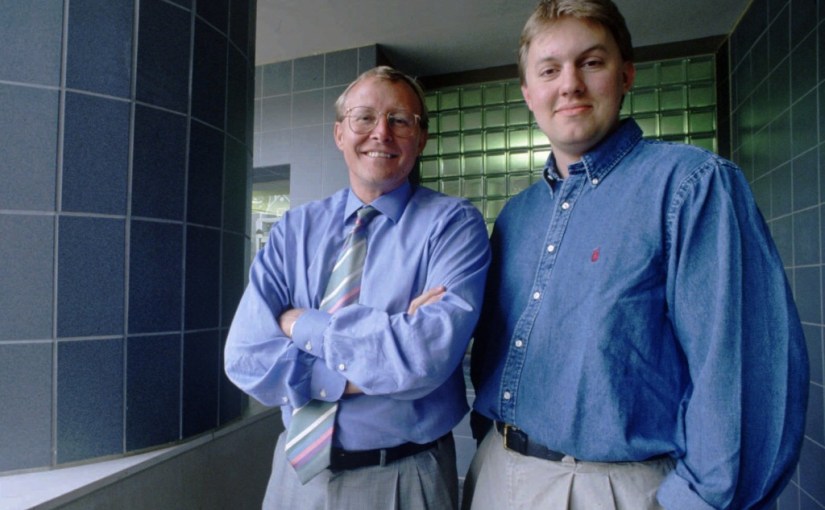
“The biggest outcomes come when you break your previous mental model. The black-swan events of the past forty years—the PC, the router, the Internet, the iPhone—nobody had theses around those. So what’s useful to us is having Dumbo ears.” A great V.C. keeps his ears pricked for a disturbing story with the elements of a fairy tale. This tale begins in another age (which happens to be the future), and features a lowborn hero who knows a secret from his hardscrabble experience. The hero encounters royalty (the V.C.s) who test him, and he harnesses magic (technology) to prevail. The tale ends in heaping treasure chests for all, borne home on the unicorn’s back.
The Secret Six
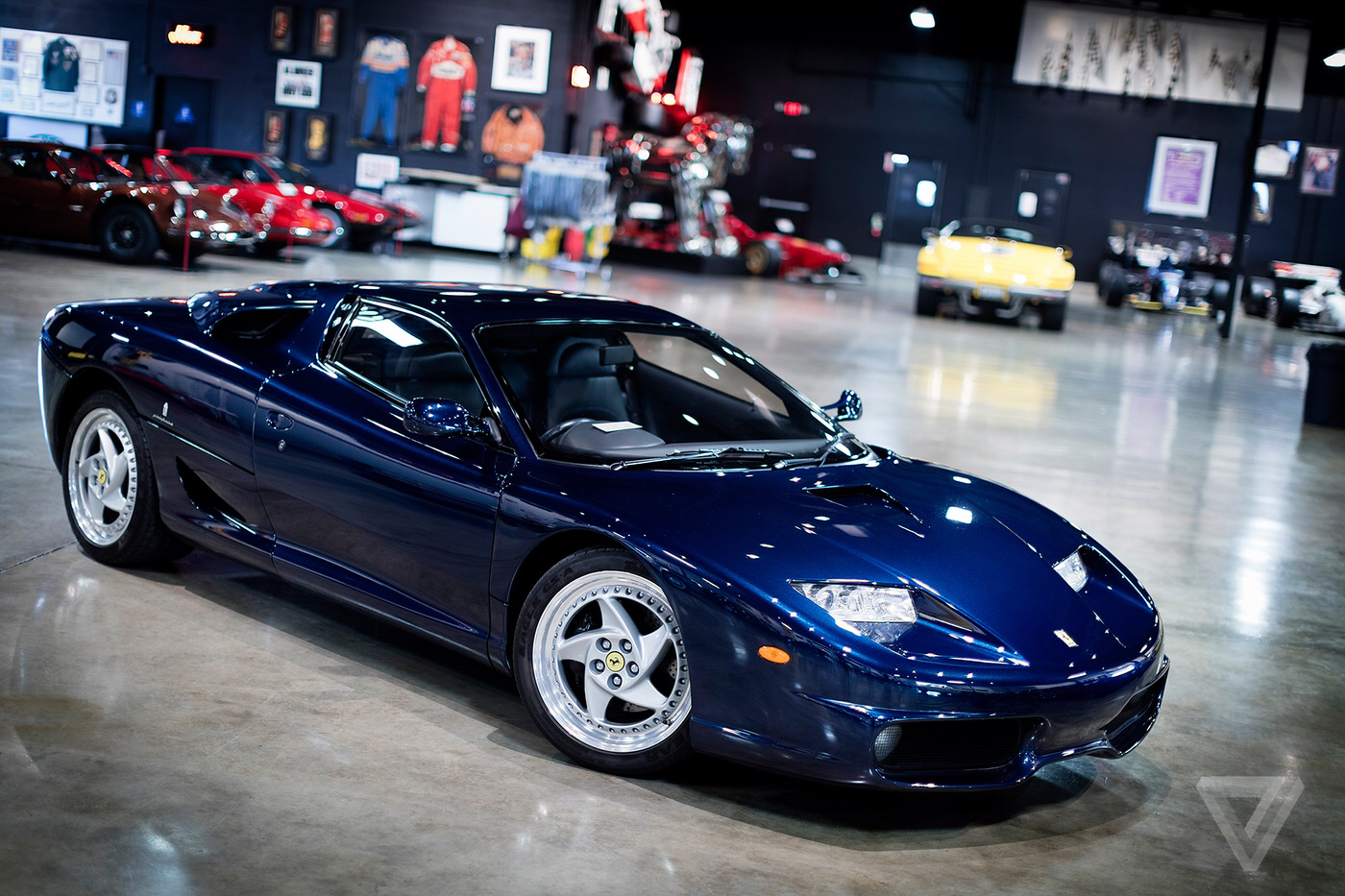
“The FX was definitely ahead of its time for having a semi-automatic gearbox,” says Kim.
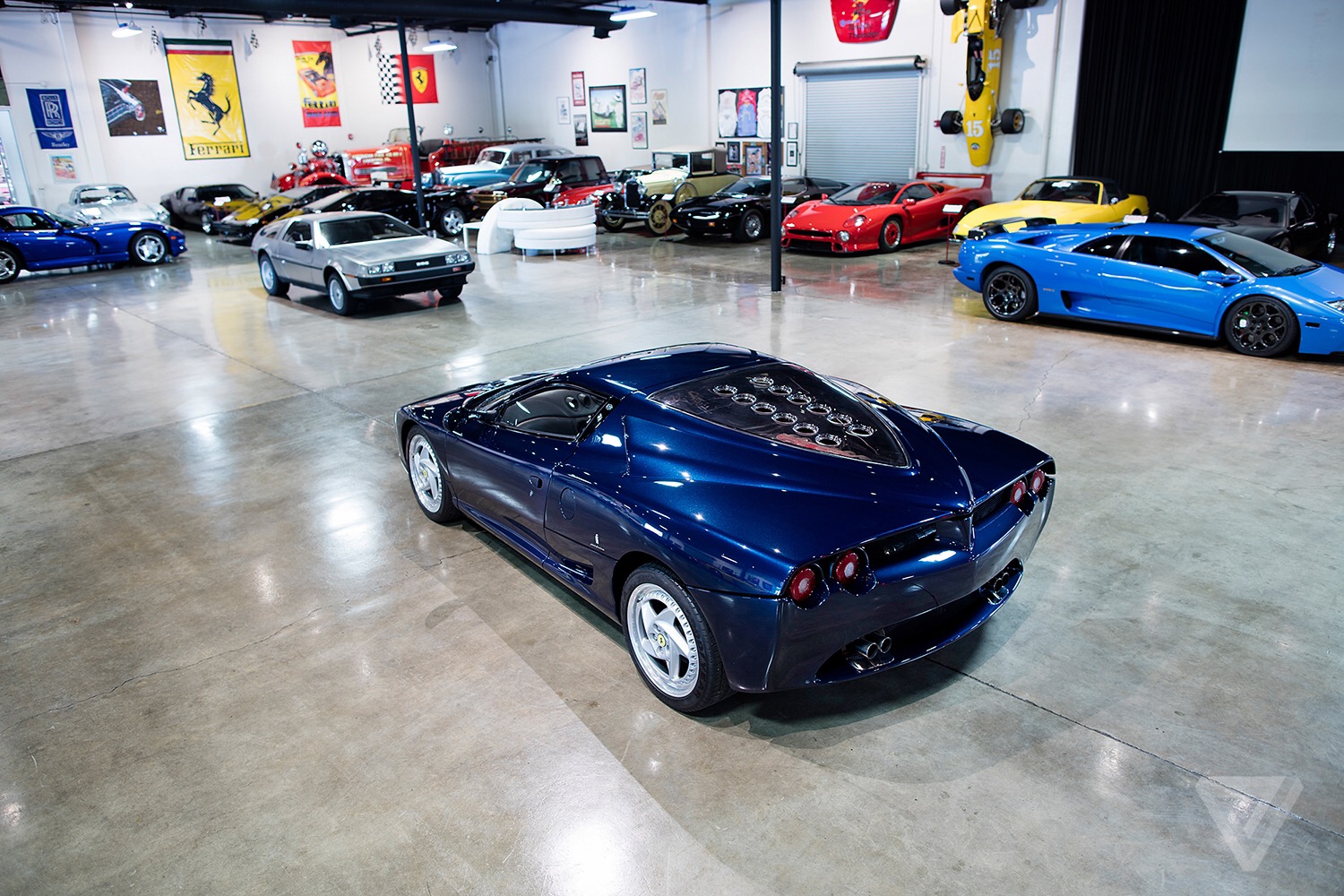
“The Sultan and his brother really were R&D for many high-end automakers. They were building custom bespoke cars that not only had unique bodies and interiors, but sometimes exotic technologies. And the money was limitless.”
Dirty Little Secrets
The GoDaddies of tax-havens :
When we asked Nancy and Stephen about whether they are responsible for monitoring shady clients, they told us they wouldn’t necessarily know if their clients were acting outside the law. “We don’t get involved at all. We just serve as the registered agent,” said Stephen. Stephen did say, however, that if for some reason their client was acting suspiciously, he would cut ties immediately.
• • •
Blast from the past :
Today, he says, “Panama is essentially an extension of the U.S. economy.” It harkens back to the early 20th century, when canal workers were paid in American dollars. In the roaring, free-market friendly 1920s, Panama adopted U.S.-style corporate laws. Some U.S. ships, seeking to avoid Prohibition restrictions against serving alcohol onboard, registered in Panama instead. Franklin D. Roosevelt’s administration was alarmed to find out that, as the U.S. worked to dig itself out of the Great Depression, wealthy Americans were using Panama as a tax haven.
Jurgen Mossack’s family landed here in the 1960s. During World War II, his father had served in the Nazi Party’s Waffen-SS, according to U.S. Army intelligence files obtained by the ICIJ. Once in Panama, the elder Mossack offered to spy on communists in Cuba for the CIA.
In Defense Of The Gaussian Copula
The Gaussian copula is not an economic model, but it has been similarly misused and is similarly demonised. In broad terms, the Gaussian copula is a formula to map the approximate correlation between two variables. In the financial world it was used to express the relationship between two assets in a simple form. This was foolish. Even the relationship between debt and equity changes with the market conditions. Often it has a negative correlation, but other times it can be positive.
That does not mean it was useless. The Gaussian copula provided a convienent way to describe a relationship that held under particular conditions. But it was fed data that reflected a period when housing prices were not correlated to the extent that they turned out to be when the housing bubble popped. You can have the most complicated and complete model in the world to explain asset correlation, but if you calibrate it assuming housing prices won’t fall on a national level, the model cannot hedge you against that happening.

