
Too often people ask, what’s the use of science like this, if it doesn’t produce faster cars or better toasters. But people rarely ask the same question about a Picasso painting or a Mozart symphony. Such pinnacles of human creativity change our perspective of our place in the universe. Science, like art, music and literature, has the capacity to amaze and excite, dazzle and bewilder. I would argue that it is that aspect of science — its cultural contribution, its humanity — that is perhaps its most important feature.
Author: Edouard Chazal
David Zwirner’s Art Empire
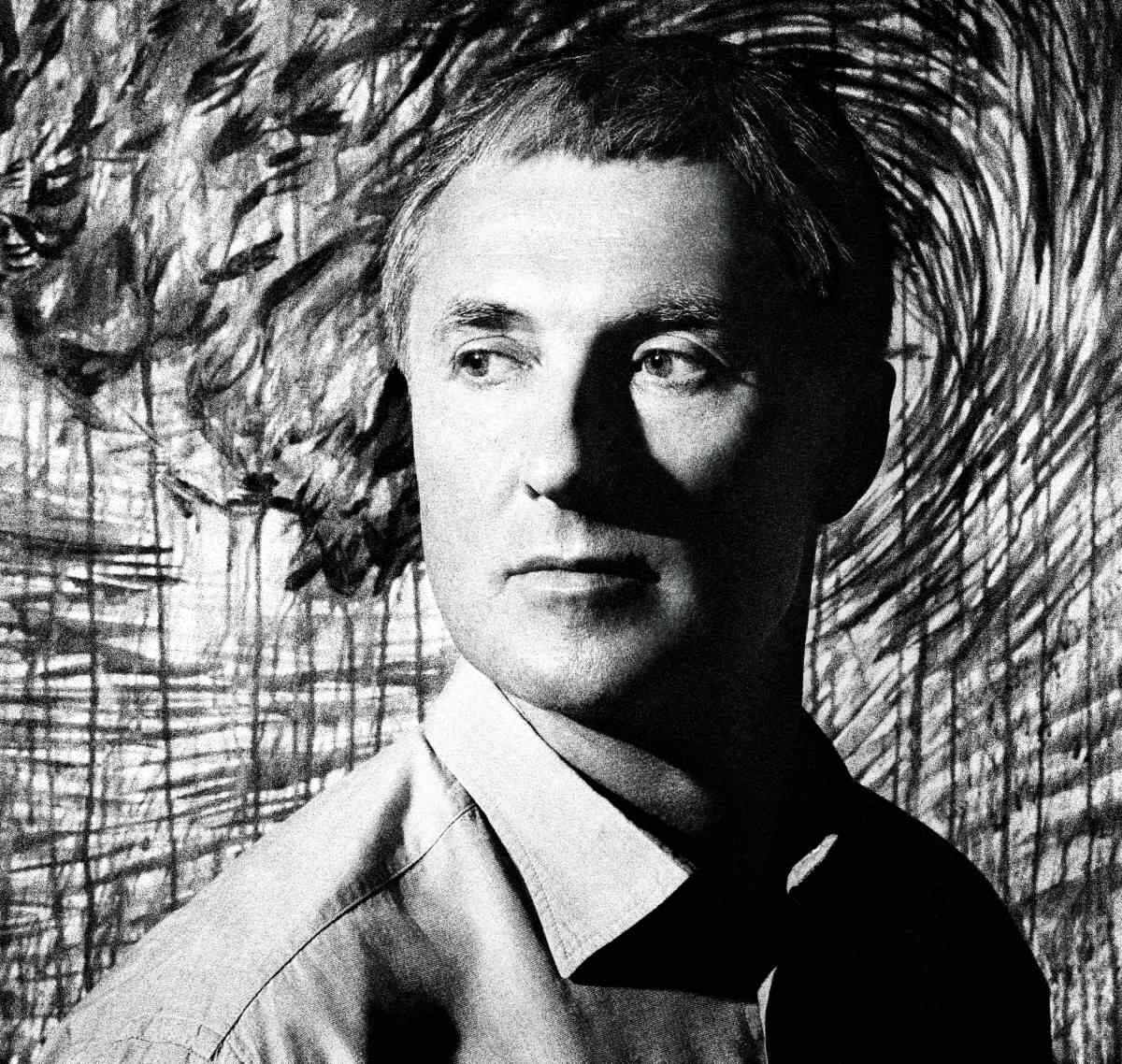
Follow-up on Bouvier’s portrait, here’s David Zwirner’s :
By one-thirty, there was no sign of the American collector. Braka and Ortuzar huddled, and Ortuzar said, “I’m on it.” At one-fifty-two, the American appeared and resumed scrutinizing the painting. “Look at him sweating,” Zwirner whispered. After a while, he gave the collector a now-or-never gesture. The man borrowed a chair, sat down, and stared at the Richter for a while, chin in hand. Braka stood ten feet behind him. Soon the American got into what appeared to be a heated discussion with Schouwink. Ortuzar approached Braka, and Braka, with a pained smile, nodded and walked away. Zwirner joined the collector and Schouwink. He spoke emphatically to each of them, slapping the knuckles of one hand against the palm of the other. Everything is negotiable. At two-fourteen, the collector shook Zwirner’s hand and bent to kiss Schouwink’s. The Richter was his, and Zwirner had earned three hundred thousand dollars, enough to cover more than half the cost of the gallery’s booth in Basel.
The Art-World Insider Who Went Too Far

The relationship between art dealer and collector is particular and charged. The dealer is mentor and salesman. He informs his client’s desires while subjecting himself to them at the same time. The collector has money, but he is also vulnerable. Relationships start, prosper, and fail for any number of reasons. It is not always obvious where power lies. Over time, each one can convince himself that he has created the other.
Bowie: The Man Who Sold Royalties and Brought Music to Bonds
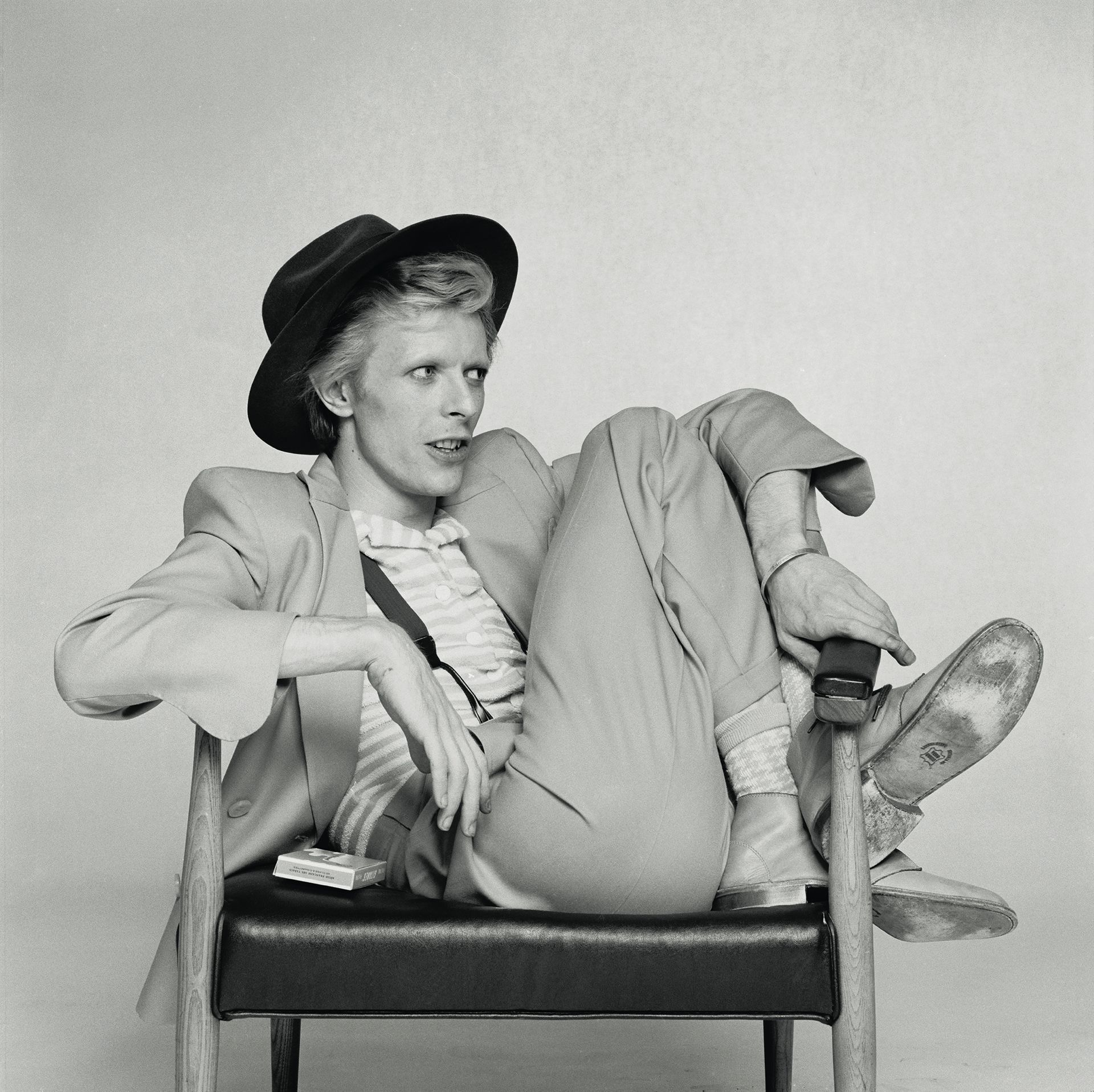
Sure, this might be the last thing to come up when remembering Bowie, but hey—that’s genius :
The man behind “The Man Who Sold the World” was the first recording artist to go to Wall Street to tap the future earnings of his music, paving the way for a thriving market for esoteric securities backed by everything from racehorse stud rights to commercial washing machines.
David Bowie, who died from cancer at age 69 on Sunday, sold $55 million of bonds in 1997 that were tied to future royalties from hits including “Ziggy Stardust,” “Space Oddity” and “Changes.” Following his example were singers James Brown and Rod Stewart and the heavy-metal band Iron Maiden. Securities backed by royalties allow artists to raise money without selling the rights to their work or waiting years for payments to trickle in.
“Bowie’s bonds were as groundbreaking as his music,” said Rob Ford, a London-based money manager at TwentyFour Asset Management, which oversees 5.3 billion pounds ($7.7 billion). “Not only were they followed by a number of other artists, but they set the template for deals backed by a whole range of assets.”
And to conclude :
Bowie “changed the way people think about art and commerce,” Pullman said.
See you on Mars.
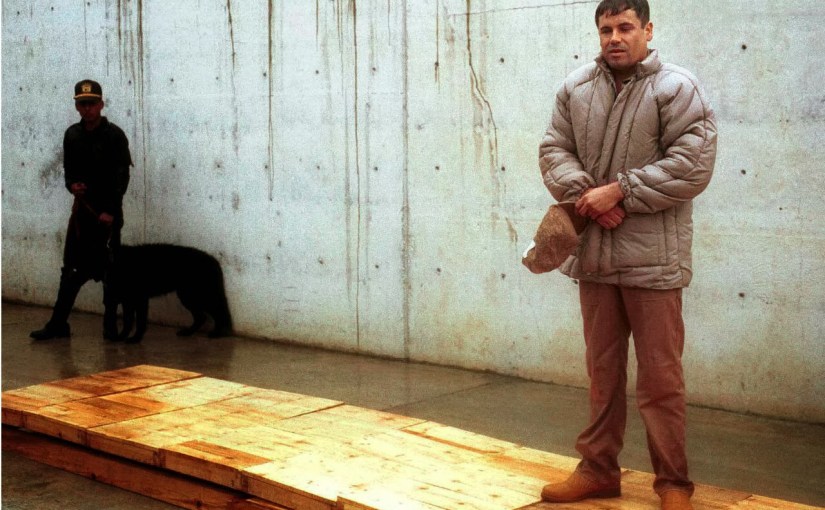
El Chapo Speaks
Sean Penn :
I take no pride in keeping secrets that may be perceived as protecting criminals, nor do I have any gloating arrogance at posing for selfies with unknowing security men. But I’m in my rhythm. Everything I say to everyone must be true. As true as it is compartmentalized. The trust that El Chapo had extended to us was not to be fucked with. This will be the first interview El Chapo had ever granted outside an interrogation room, leaving me no precedent by which to measure the hazards. I’d seen plenty of video and graphic photography of those beheaded, exploded, dismembered or bullet-riddled innocents, activists, courageous journalists and cartel enemies alike. I was highly aware of committed DEA and other law-enforcement officers and soldiers, both Mexican and American, who had lost their lives executing the policies of the War on Drugs. The families decimated, and institutions corrupted.
• • •
Still, today, there are little boys in Sinaloa who draw play-money pesos, whose fathers and grandfathers before them harvested the only product they’d ever known to morph those play pesos into real dollars. They wonder at our outrage as we, our children, friends, neighbors, bosses, banks, brothers and sisters finance the whole damn thing. Without a paradigm shift, understanding the economics and illness of addiction, parents in Mexico and the U.S. will increasingly risk replacing that standard parting question to their teens off for a social evening – from “Where are you going tonight?” to “Where are you dying tonight?”
El Chapo? It won’t be long, I’m sure, before the Sinaloa cartel’s next shipment into the United States is the man himself.
 Abnormal Capitalist