Black Box Trading : Why They All “Blow-Up”

While in Greenwich Ct. one afternoon I will never forget a conversation I had with a leading quantitative portfolio manager. He said to me that despite its obvious attributes “Black Box” trading was very tricky. The algorithms may work for a while [even a very long while] and then, inexplicably, they’ll just completely “BLOW-UP”. To him the most important component to quantitative trading was not the creation of a good model. To him, amazingly, that was a challenge but not especially difficult. The real challenge, for him, was to “sniff out” the degrading model prior to its inevitable “BLOW-UP”. And I quote his humble, resolute observation “because, you know, eventually they ALL blow-up“…as most did in August 2007.

→ Global Slant

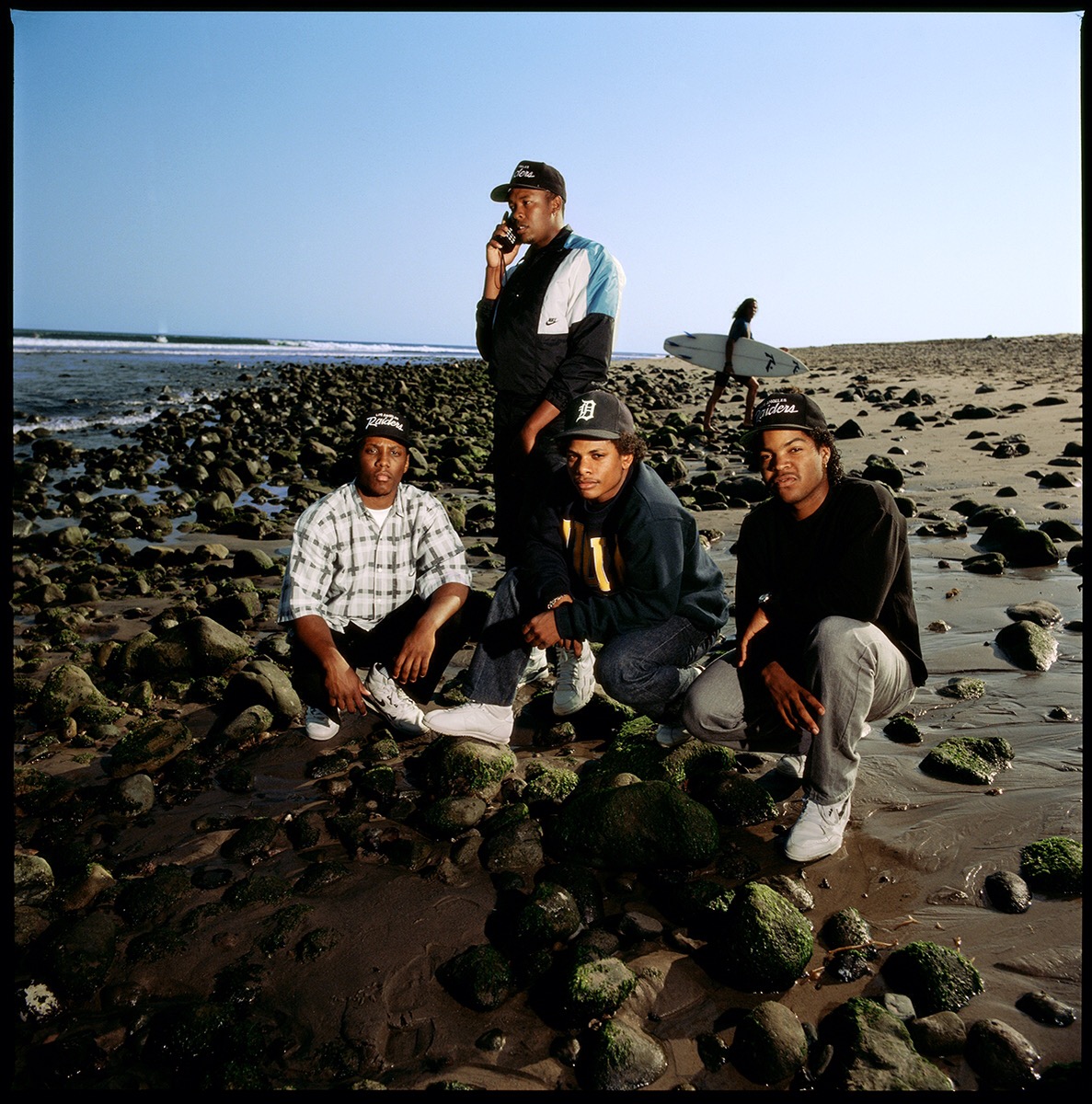
Remembering Eric Wright

From left to right : MC Ren, Dr. Dre, Eazy-E, Ice Cube

Could N.W.A have existed without him?

N.W.A would have not existed without Eazy-E. No doubt in my mind. He was bold and not scared of anything. He was 21, 22, I was 16 — to me he was fearless. That’s what he brought. “I don’t want to do no corny ass records that try to get on the radio. I want to do hardcore records about what the hell is going on around here.”

Credit : Timothy White

→ Billboard

Touch Me Harder

Craig Federighi on building the 3D Touch screen, a marvel of complication :

It starts with the idea that, on a device this thin, you want to detect force. I mean, you think you want to detect force, but really what you’re trying to do is sense intent. You’re trying to read minds. And yet you have a user who might be using his thumb, his finger, might be emotional at the moment, might be walking, might be laying on the couch. These things don’t affect intent, but they do affect what a sensor [inside the phone] sees. So there are a huge number of technical hurdles. We have to do sensor fusion with accelerometers to cancel out gravity—but when you turn [the device] a different way, we have to subtract out gravity. … Your thumb can read differently to the touch sensor than your finger would. That difference is important to understanding how to interpret the force. And so we’re fusing both what the force sensor is giving us with what the touch sensor is giving us about the nature of your interaction. So down at even just the lowest level of hardware and algorithms—I mean, this is just one basic thing. And if you don’t get it right, none of it works.

→ Bloomberg Businessweek

D’Auguste Comte à Bachelard … à Apple et Dr Dre

Jean-Philippe Denis, mon professeur mémorable de gestion, sur les racines du Hip-Hop management :

En épistémologie des sciences, on considère la première planète comme celle du positivisme hérité des lumières d’Auguste Comte. La seconde, elle, est celle conçue par le grand philosophe Gaston Bachelard pour lequel « rien n’est donné, tout est construit ».

Sur la planète héritée de Comte, le monde est vu comme régi par des forces implacables, et par des lois déterministes de performance. Comme dans un roman d’Houellebecq, une sorte de sélection naturelle des formes les plus adaptées s’y opère mécaniquement. Il vaut mieux dès lors se soumettre puisque rien ne sert de courir ni même de se battre : après tout, comme le disait Keynes, à long terme on est tous morts. Au risque de la provocation on pourrait ajouter : qu’on se sente ou qu’on ne se sente pas Charlie.

Sur la planète léguée par Bachelard, les habitants raisonnent à l’inverse. Derrière chaque calamité, ils voient une opportunité. Dès lors ils ne perdent jamais puisque, pour filer Nelson Mandela, soit ils gagnent soit ils apprennent. L’avenir est donc toujours ouvert même si tout n’est pas possible. Et pour peu qu’on envisage d’abord la manière de s’embusquer pour mieux l’attendre, il est toujours plein de promesses nouvelles, toujours en devenir.

Les transformations de l’industrie musicale depuis vingt ans illustrent à merveille l’existence de ces deux planètes.

→ The Conversation

Psyching Out Borrowers

Follow-up on yesterday’s article about personality tests approval to get loans. Payoff adds a touch of algorithms on top of psychology to determine the creditworthness of the borrower.

Galen helped develop the matching algorithms at eHarmony, which are responsible for 4 percent of U.S. marriages. We’re using his expertise to bring psychology to finance. Our science is ultimately about behavior change and helping people make better financial decisions. This process of change begins with self-understanding, and we’re using advanced psychometric assessments to understand people’s mindsets— the goal being to improve how they approach their financial decisions. We’ve taken the hundreds of questions you might answer in a typical psychometric assessment and compressed them into a three-minute “gamified” online assessment that gauges your financial personality.

→ Bloomberg