No less than the second in command of China, the Premier Li Keqiang, has stated that Chinese GDP data is unreliable and “man-made”. To put this in perspective, the current Premier of China, second in command for the entire country, leading economic policy formulation, a Phd in economics, having spent essentially all his career inside public administration in various posts throughout China advises you not to trust GDP figures or the economics professor in the United States who has never lived in China and has no specific expertise in China.
Author: Edouard Chazal
China Blames a Different Boogeyman Each Time the Economy Stumbles
In a humiliating televised confession, Wang acknowledged that “I acquired the news from private conversations, which is an abnormal way, and added my personal judgment and subjective views to finish this story” (which, you know, is how journalism usually works). In the United States when someone accurately predicts a downturn or policy change, we practically throw him a ticker-tape parade; in China, they throw him in jail.
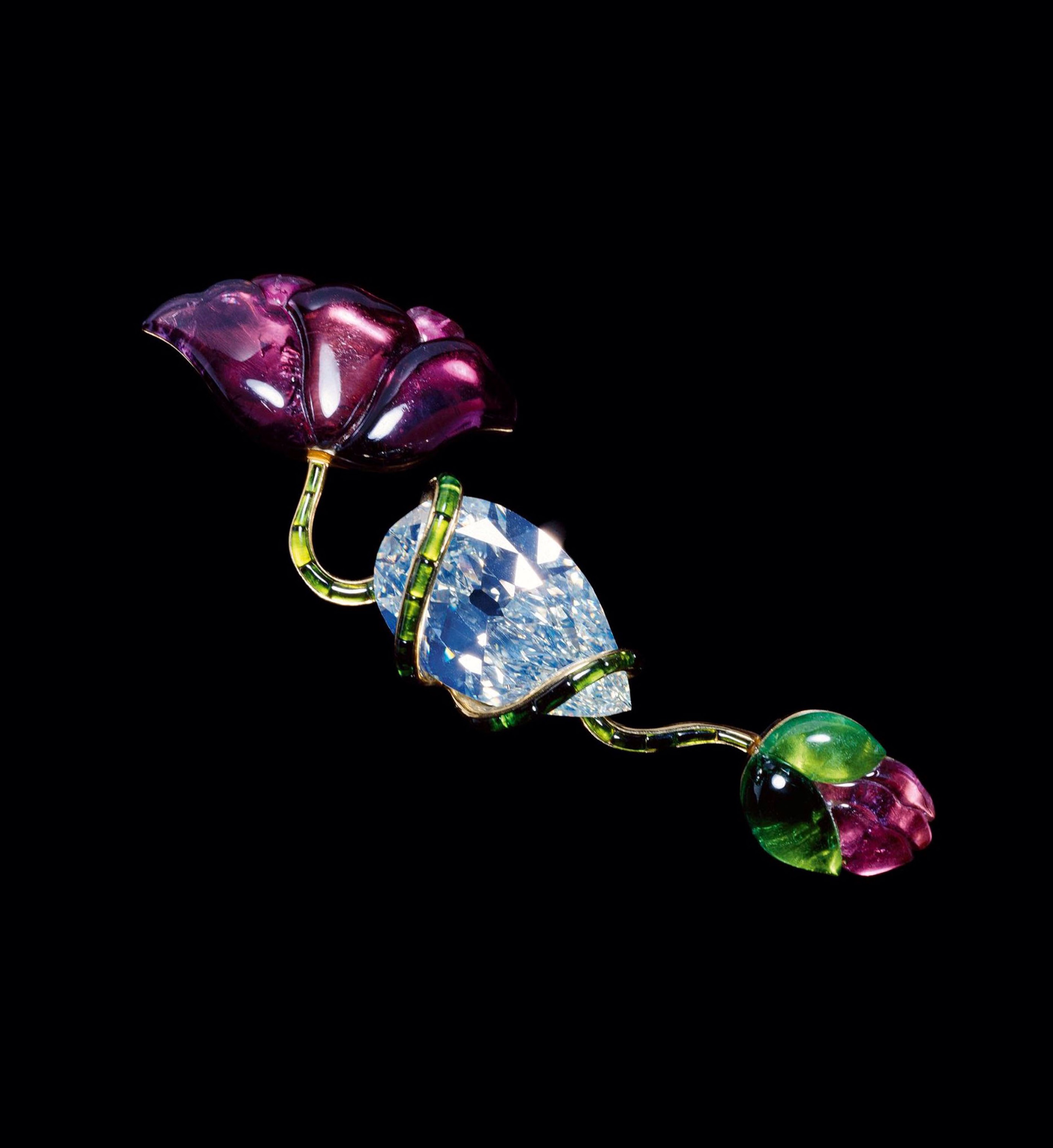
The World’s Greatest Jeweller

Unlike the big, heavily branded jewellery firms—Cartier, Graff, Harry Winston—JAR has just one small shop, a blank-fronted place in a dull plaza in Paris, and doesn’t spend a sou putting adverts in glossy magazines. Or indeed anywhere. Because secrecy is JAR’s secret weapon. You won’t find the shop’s address in any directories; as a rule, would-be customers have to be vetted and introduced, like Freemasons, by a friend. Rosenthal himself maintains a Garbo-like silence in the face of the press, giving only a handful of interviews in his 37-year career and—at least partly for reasons of security—never, ever allowing himself to be photographed.
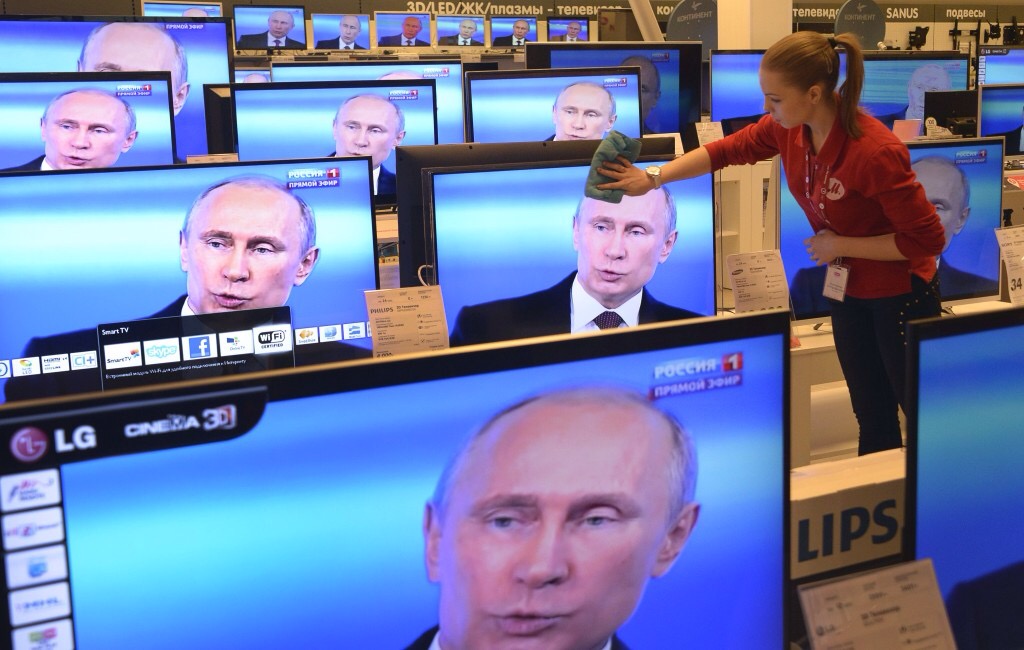
How Russian TV Propaganda is Made
There was no channel war now, I mean, no competition. A directive came from the Presidential Administration saying: stop trying to outdo each other, stop showing who’s got the best exclusives here. The only exclusive stuff you could have was when one person found someone’s granny, and another found someone else’s granddad. On the whole, though, it was a massive stream [of content]. United in a common impulse, everyone shared everything with everyone else: pictures, speakers, contacts. Everything became a single whole. Different holding companies, different shareholders, different media organisations. A united propaganda body emerged.
The Evolution of Magazine Covers
Not so long ago, black people couldn’t vote. Though they still face significant discrimination, they are also now idolized on magazine covers. As women have earned more rights over the years, they now take control of their sexuality. And Vanity Fair’s most iconic cover this year is a woman who used to identify as a man.