How Spotify’s Discover Weekly Cracked Human Curation At Internet Scale

The reason no one attempted something like Discover Weekly until now is because a static, personalized playlist is very risky. A radio stream usually begins with a prompt from the user and can adjust in real time based on a user’s feedback. Discover Weekly, by contrast, is two hours of music you get once a week with no real explanation of why you’re getting these tracks, or how to influence that process. Just like handing a mix tape to your crush in real life, once you finalize the playlist, you’re committed. Somehow Spotify’s algorithms manage to deliver me a consistently great experience.

Behind the scene :

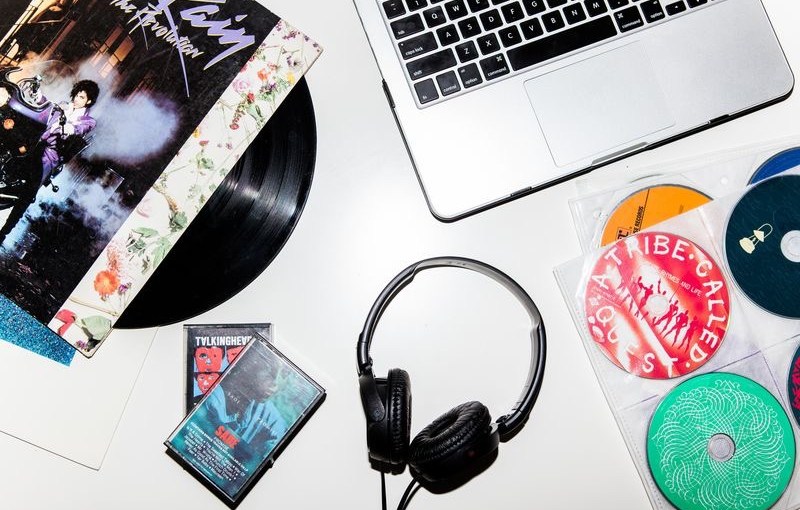
“Today” contains the sample to “They Reminiscence Over You,” a hip-hop classic I’ve spun on Spotify dozens of times. Spotify knew I had never heard “Today,” at least not on their service, and was therefore ripe to be thrilled at connecting the dots. It was a recommendation driven less by the way the music sounds, or genre, than by the cultural and historical web that gives music so much of its power.

I tried pretty much every streaming services available and I’ve got to say that Spotify Discover Weekly is the best by far. The shear volume of tracks and artists that I’ve discovered and loved ever since is impressive. 

Looking at Monday’s playlist, I’ve liked 18 out of 30 tracks which means, at the end of the day, many more tracks and albums as soon as I will tap into the new artists that I’ve discovered today. A 60% positive-rate doesn’t seem much but the quality of the curation is here. Plus, all I had to do is to wait for my playlist to be refilled —every Monday. Not a bad way to start the week. 

A 100% music-match would freak me out, anyway, but isn’t that where we are heading to ?
→ The Verge

Michel Houellebecq : It’s Not My Role To Be Responsible

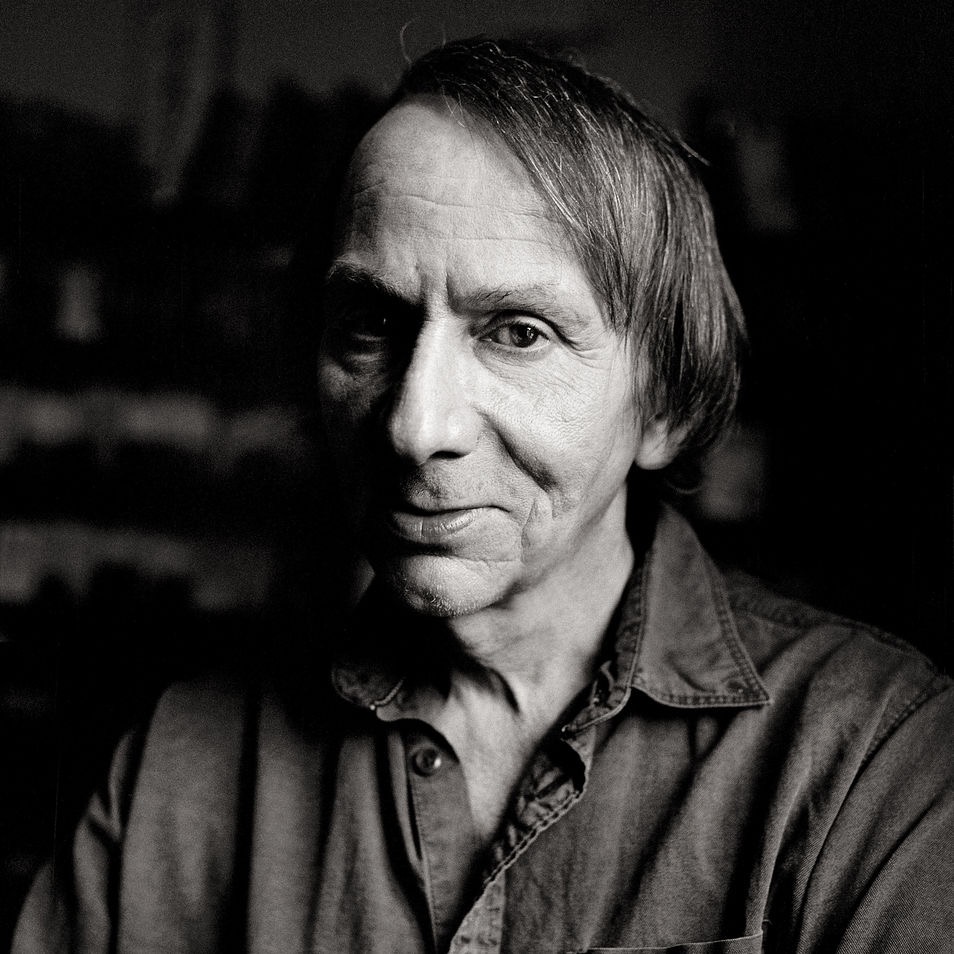
Credit : Richard Dumas
 
Some intellectuals said Houellebecq had been “irresponsible”. The media pressed him to apologise. Where once he was a bolshy rebel outsider, he now has a godlike status as France’s biggest literary export and, some say, greatest living writer – so what he says counts. But he denies any “responsibility”.

“It’s not my role to be responsible. I don’t feel responsible,” he says. “The role of a novel is to entertain readers, and fear is one of the most entertaining things there is.” To him, the fear in Submission comes in the dark violence at the novel’s start, before the moderate Islamist party comes to power. Was he deliberately playing on a mood of fear in France? “Yes, I plead guilty,” he says. For Houellebecq, the job of a novelist is foremost to hold a mirror up to contemporary society.

→ The Guardian

Secret Art Storage Facilities Under Scrutiny

Don’t hate the player, hate the game.

Oligarchs cannot be blamed for being extra-opportunistic anyway.
That said, art has been commoditised for too long without being properly regulated.

Nearly a third of art collectors and professionals surveyed last year by Deloitte Touche Tohmatsu Ltd. said they had used a freeport. Experts speculate that the freeport in Geneva, which traces its roots back to 1854 and is controlled by local authorities, may house the most valuable art collection in the world—although its holdings are generally secret.

Someone interested in laundering money could arrange to use ill-gotten funds to purchase a painting inside of a freeport, Mr. Palmer said, and then resell the painting inside of the facility a few months later. Experts say it can be difficult for a customs official relying on a printed summary of a sale conducted inside a freeport to know for sure if the amount exchanged was appropriate, or if a painting that was purportedly sold was real.

→ The Wall Street Journal

Remembering Eric Wright

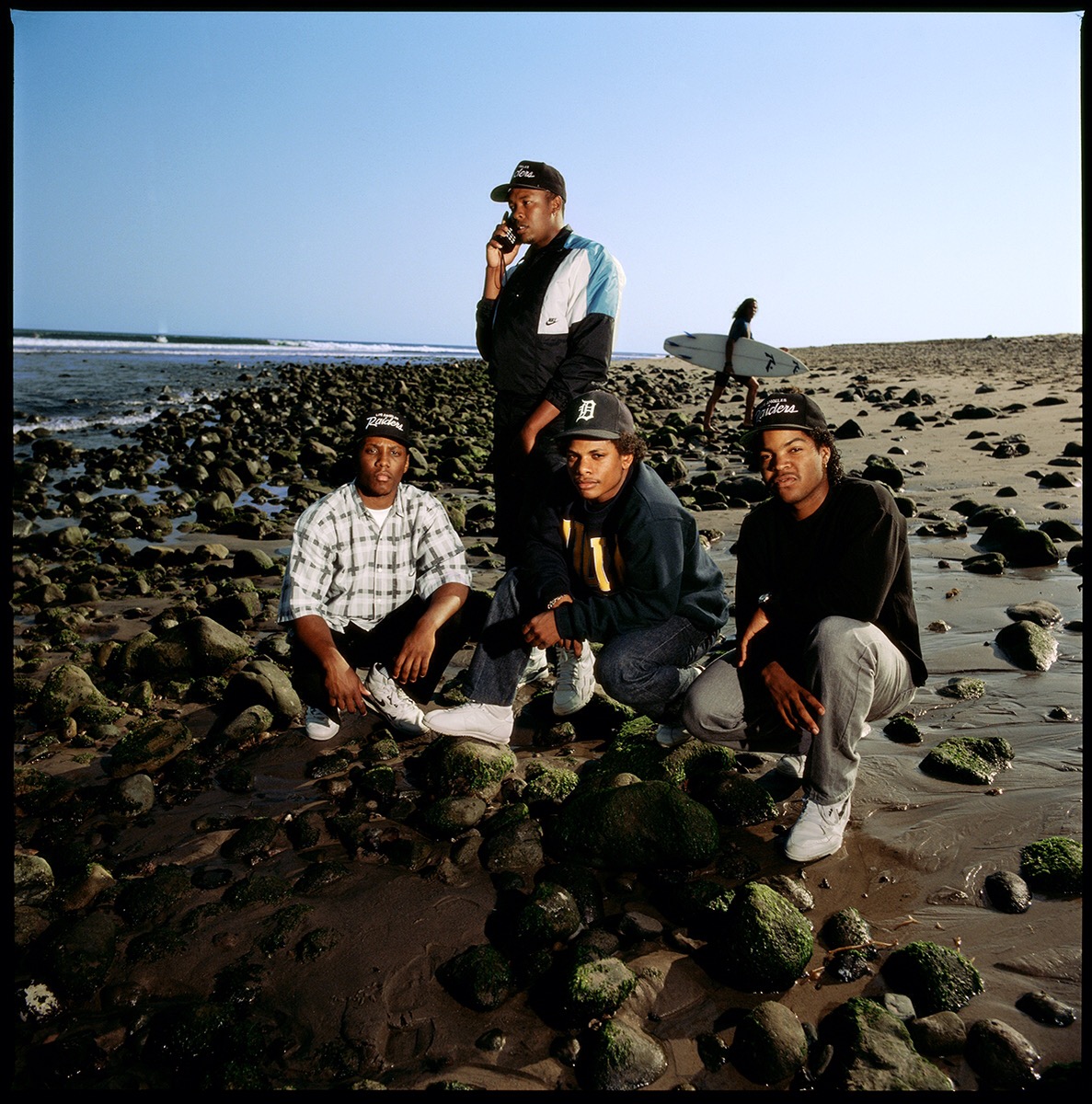
From left to right : MC Ren, Dr. Dre, Eazy-E, Ice Cube

Could N.W.A have existed without him?

N.W.A would have not existed without Eazy-E. No doubt in my mind. He was bold and not scared of anything. He was 21, 22, I was 16 — to me he was fearless. That’s what he brought. “I don’t want to do no corny ass records that try to get on the radio. I want to do hardcore records about what the hell is going on around here.”

Credit : Timothy White

→ Billboard

The World’s Greatest Jeweller

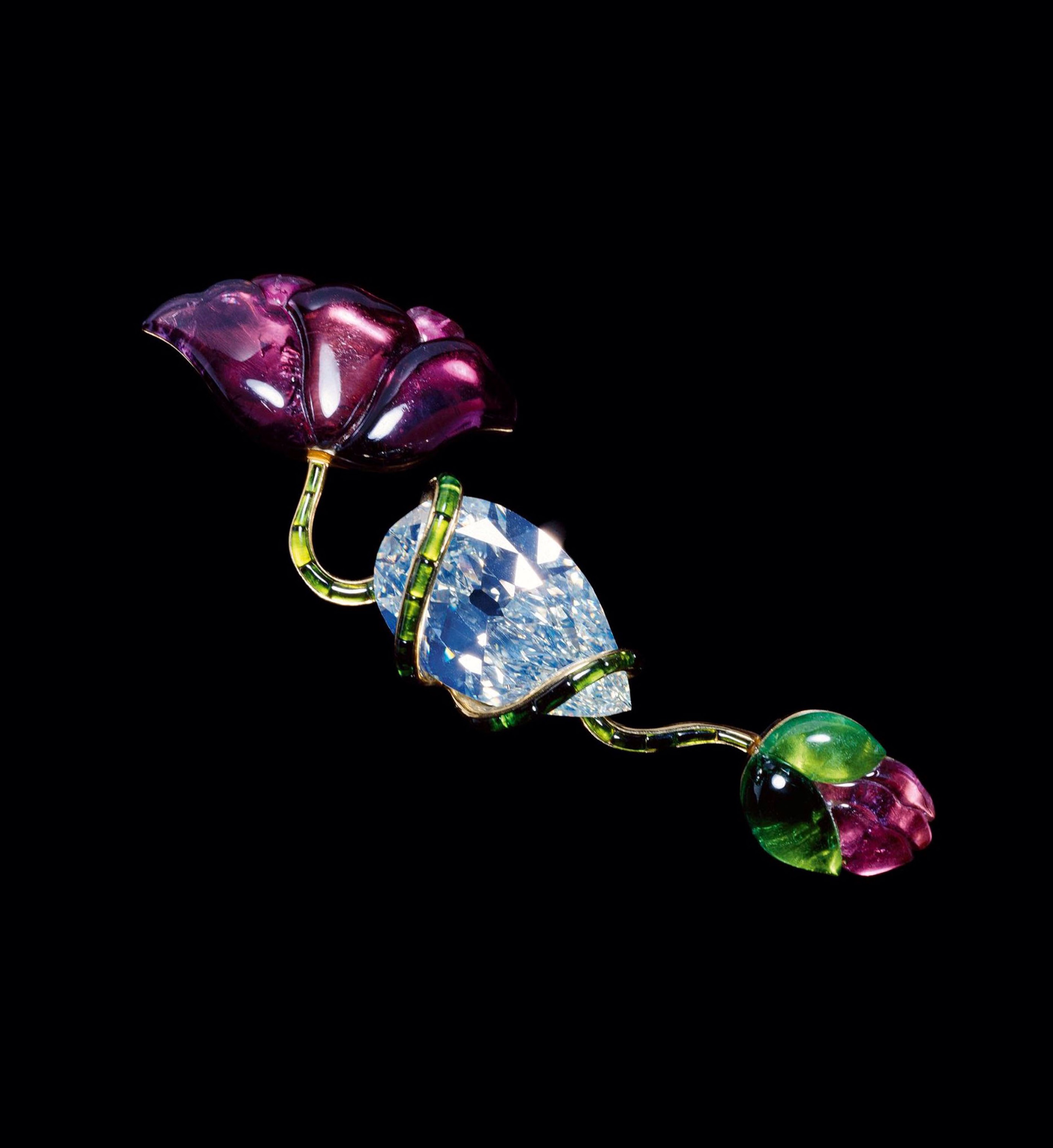
Poppy Brooch, diamond, tourmaline, and gold, 1982
 
Unlike the big, heavily branded jewellery firms—Cartier, Graff, Harry Winston—JAR has just one small shop, a blank-fronted place in a dull plaza in Paris, and doesn’t spend a sou putting adverts in glossy magazines. Or indeed anywhere. Because secrecy is JAR’s secret weapon. You won’t find the shop’s address in any directories; as a rule, would-be customers have to be vetted and introduced, like Freemasons, by a friend. Rosenthal himself maintains a Garbo-like silence in the face of the press, giving only a handful of interviews in his 37-year career and—at least partly for reasons of security—never, ever allowing himself to be photographed.

→ Intelligent Life