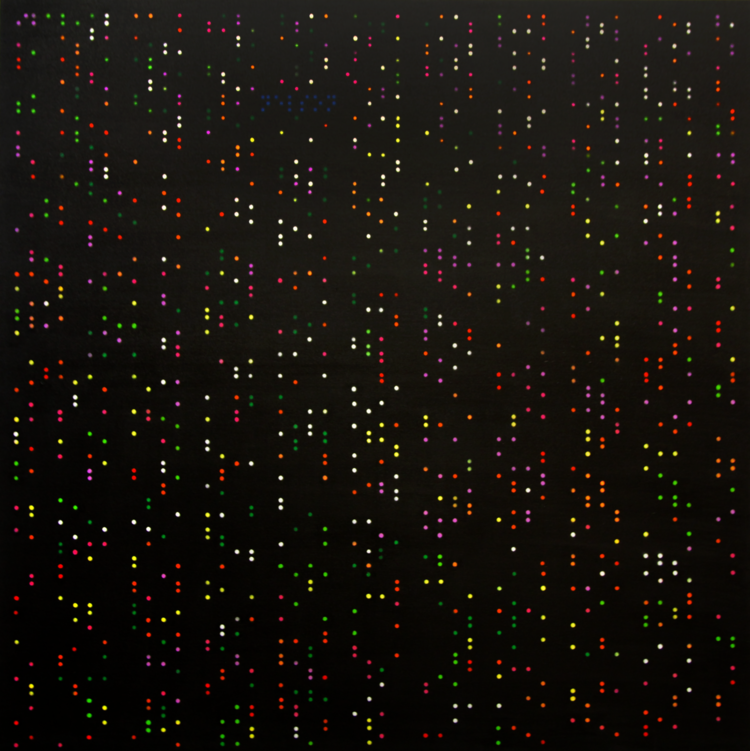
We’re Not in Kansas Anymore is about the 2008 financial crisis that kicked off with the implosion of investment bank Lehman Brothers (for the record, Mr. Saiers thinks the government should have bailed them out). Braille-like lettering symbolizes the systemic blindness that created the crisis, he says—blindness of regulators to the realities of modern finance, blindness of ratings agencies to the real risks of pooled mortgage-backed securities—while circles and squares represent the problem of predicting how financial markets will behave. They reference the classic problem known as “squaring the circle,” which is the idea that you could make a square with the same area as a given circle. It is impossible, but you can get very close, Mr. Saiers explained—just as it’s impossible to anticipate financial markets, though you can make very smart guesses.
Category: Culture
The Secret Six
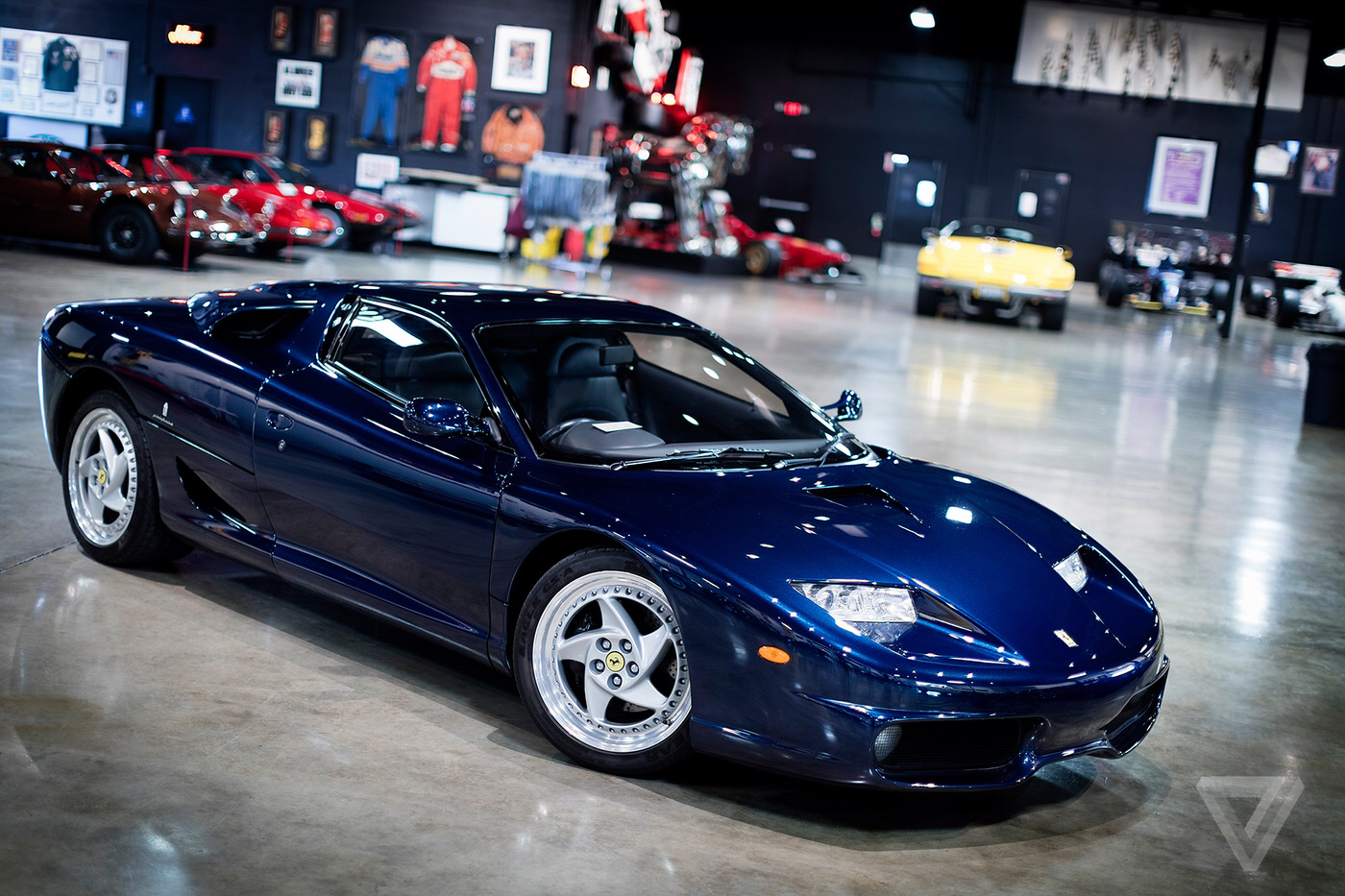
“The FX was definitely ahead of its time for having a semi-automatic gearbox,” says Kim.
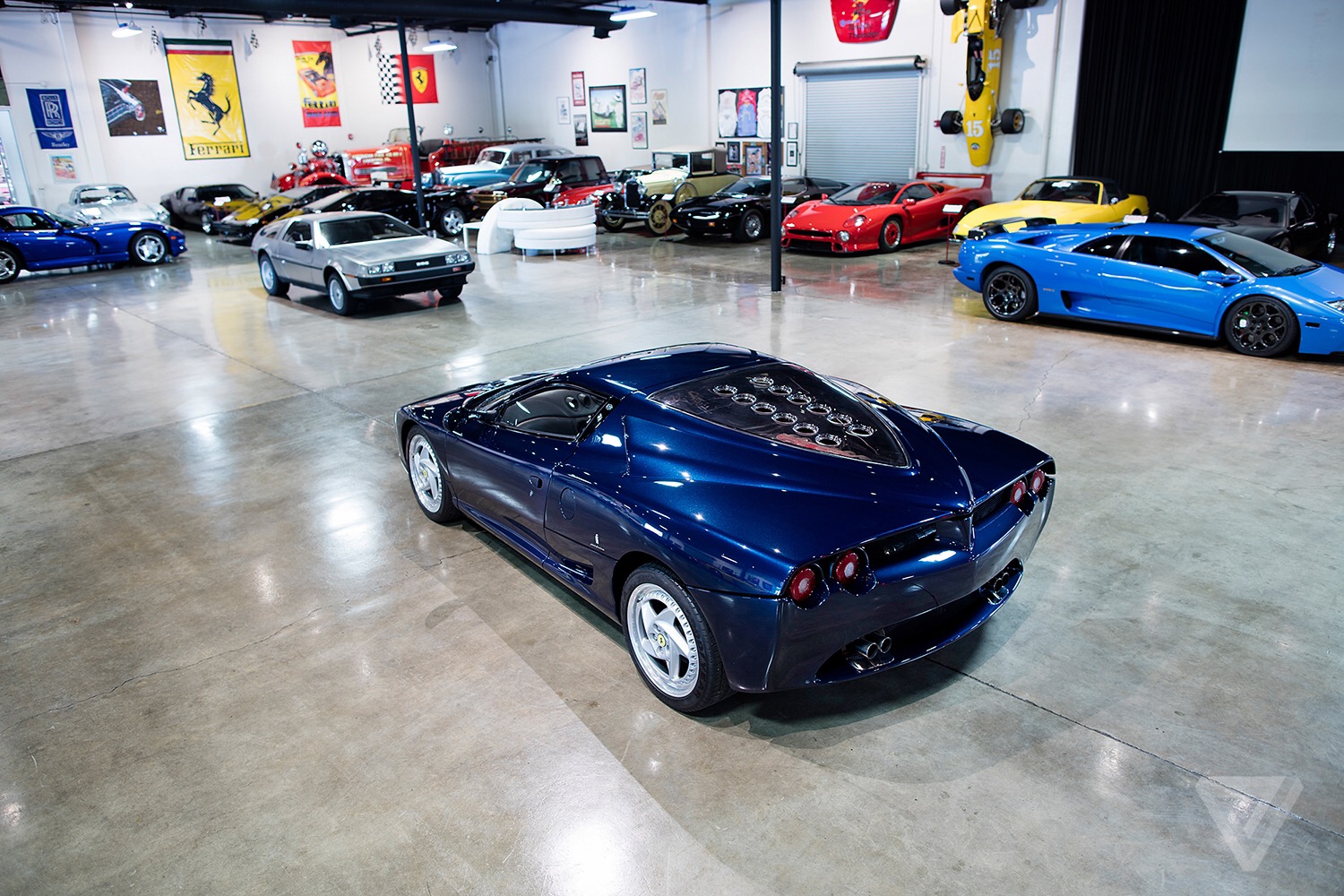
“The Sultan and his brother really were R&D for many high-end automakers. They were building custom bespoke cars that not only had unique bodies and interiors, but sometimes exotic technologies. And the money was limitless.”
The Buddha Of Kabul
• • •
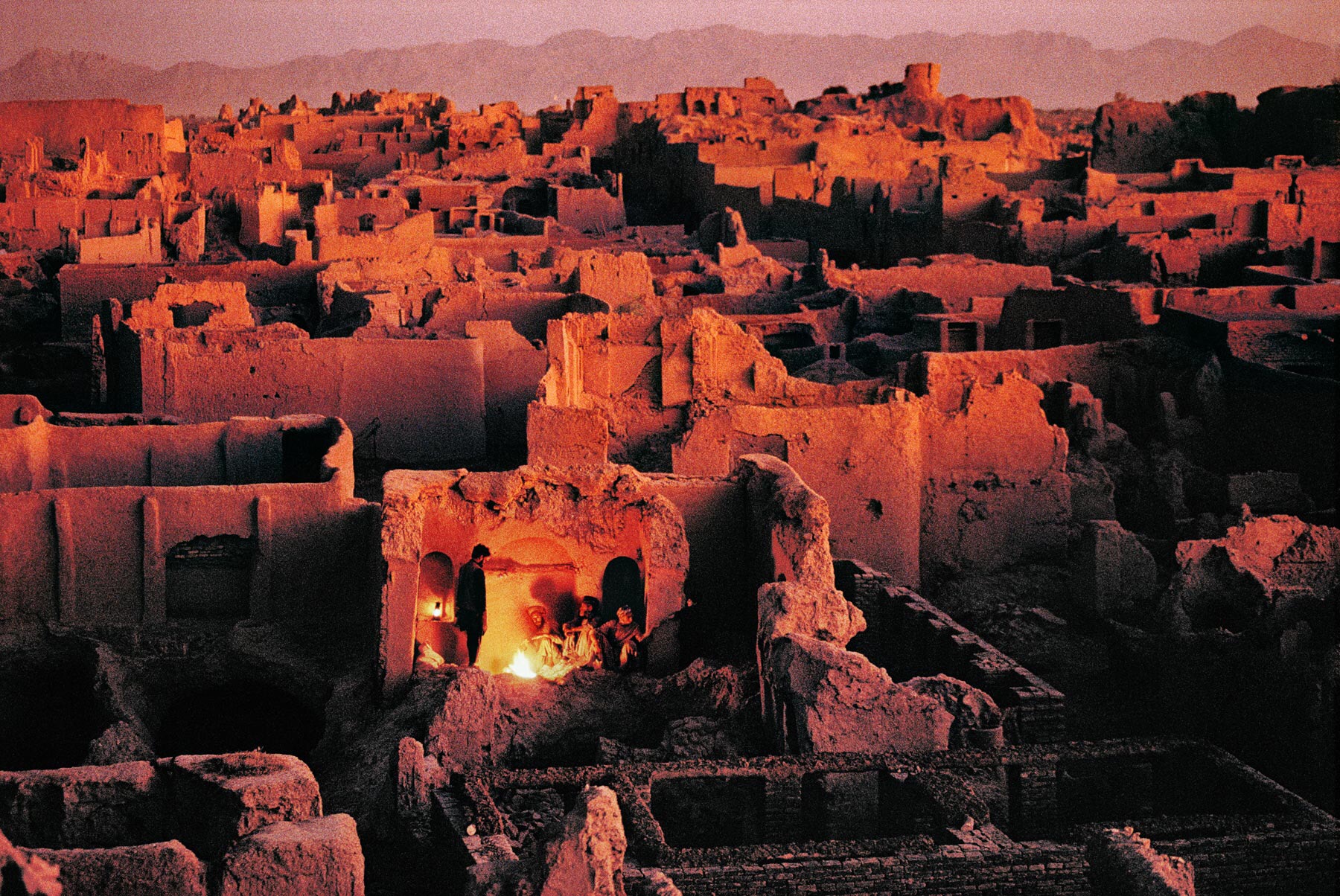
These links to the past are so fragile, made of clay and dust. So easy to break, so easy to return to the earth they came from. Yet these are also the objects that remind the forgetful world, and Afghans themselves, of what they used to be, of the confluence of ideas and civilizations that formed their khak, their ancestry. When I asked Zafar why he works so hard to excavate and preserve the material remains of Afghanistan’s history, he replied flippantly, “Because I am in love with Buddhism, and archaeology.” If so, it is a fraught romance, as the country’s past has been erased over years of war, and now, over an uncertain, uneven peace. Zafar has learned to be like the patient lover of a volatile partner. He cherishes what he has, without asking how long it will stay.
Can An Artist Ever Really Own A Colour?
Long before Klein created IKB, painters and their patrons paid through the nose for the rarest of pigments, lapis lazuli. This mineral that creates the colour ultramarine has only ever been found in Afghanistan. In the middle ages, it was mined there and traded at enormous prices to create European images of the blue heavens. Gold leaf was then daubed on it to make stars.
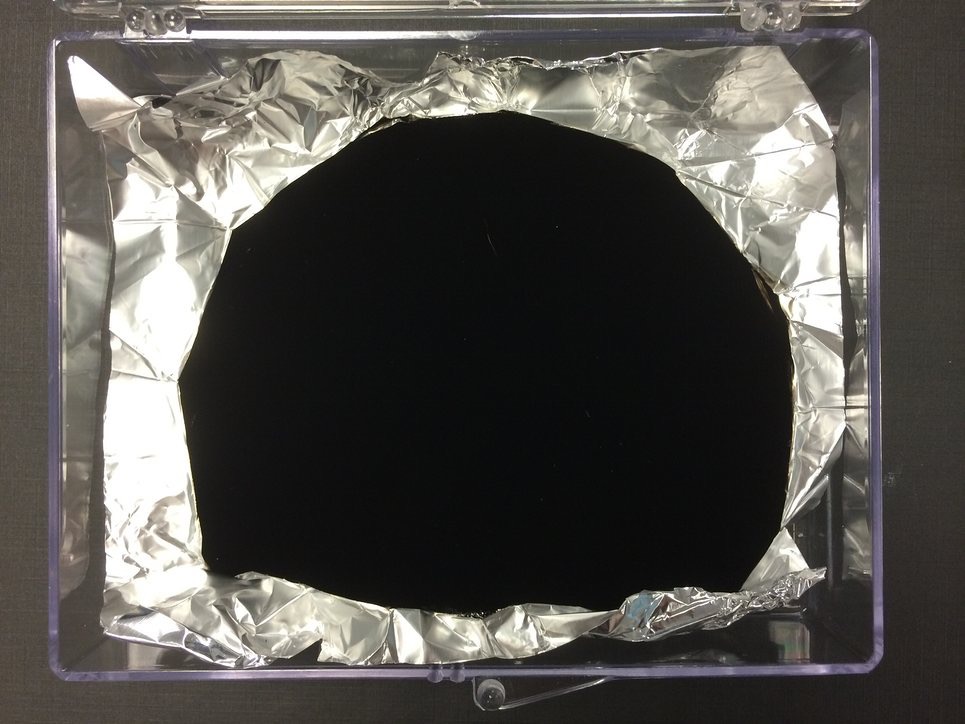
Colour is magical, colour is divine – you can’t blame Anish Kapoor or his critics for going mad for Vantablack.

Eagles of Death Metal Deliver Rock’n’Roll Catharsis in Paris
As the first chords rang out and fans on crutches let out a rousing cheer alongside hundreds of other survivors and relatives of the dead, it was clear that Paris was looking for a moment of rock’n’roll catharsis.
 Abnormal Capitalist