The decision to quit was liberating, terrifying, and confusing. Why did I feel so free when I had given up one of my first loves? But quitting felt good for the reason that starting to play chess felt right in the first place—it was entirely my choice to do so. And with that decision, my competitive, causal chess mindset began to weaken, and my perspective finally cleared.
Meanwhile, Tetris began to fill my gaming void. I play Tetris every day, and every day I pick up the game knowing that I will lose. How long will I play before I lose? How fast will the pieces go? How much will I score? Those are the metrics the game tracks. But I added a way to win—I win if I play Tetris every day.
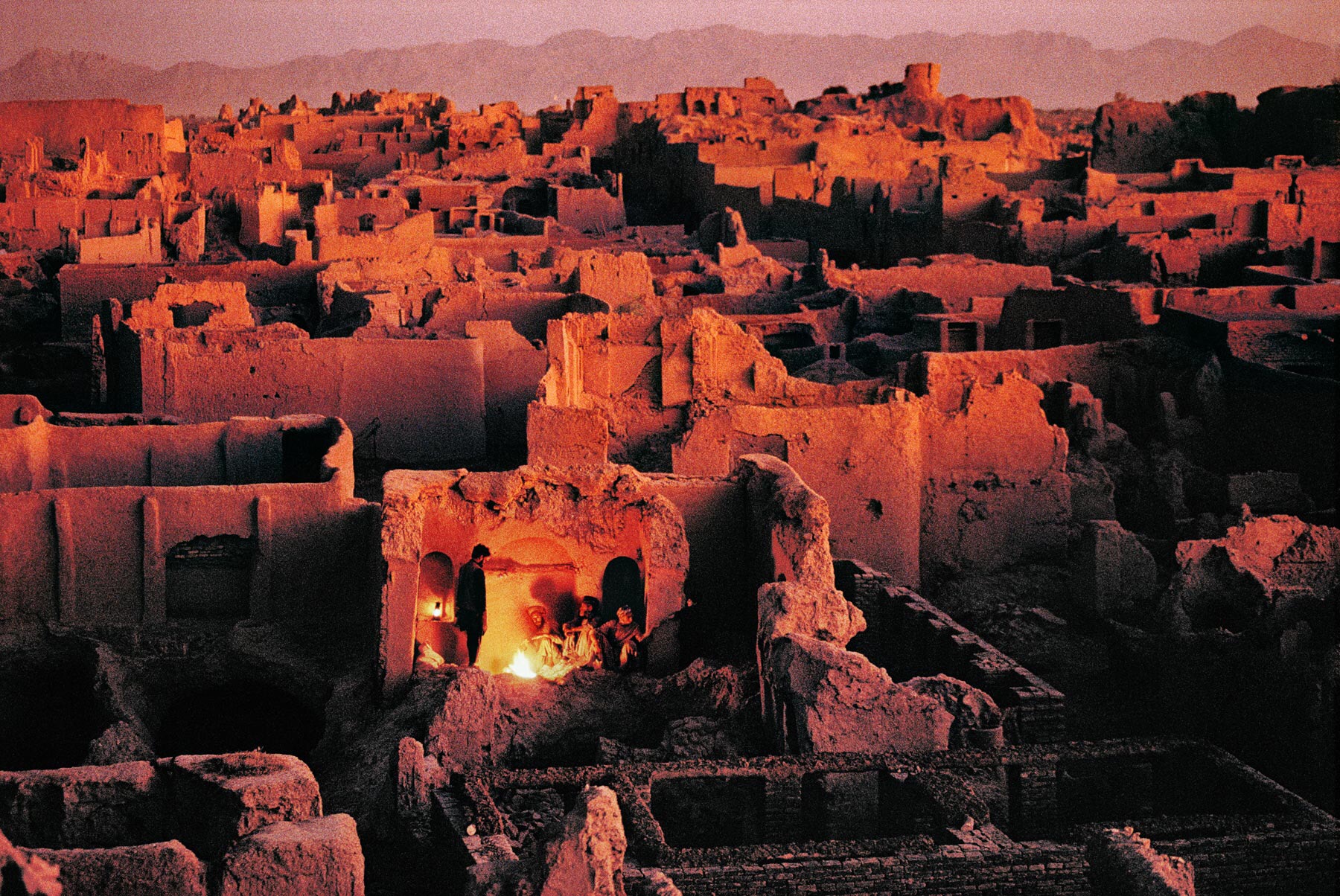
Credit : Steve McCurryWhen I first came to Kabul, I had, like so many others, known it through war. Moments like these forced me to ask myself why it should come as a revelation that a 3,000-year-old city has layers that are diverse and different from its present. It says something about the way we perceive and talk about Kabul. Perhaps it is just human nature to ignore what is buried and only pay attention to what is apparent and overt. But occasionally, the city raises an aspect of its past almost as if to prove that it did exist, as a reminder of how much is lost, and how much remains within.
• • •
These links to the past are so fragile, made of clay and dust. So easy to break, so easy to return to the earth they came from. Yet these are also the objects that remind the forgetful world, and Afghans themselves, of what they used to be, of the confluence of ideas and civilizations that formed their khak, their ancestry. When I asked Zafar why he works so hard to excavate and preserve the material remains of Afghanistan’s history, he replied flippantly, “Because I am in love with Buddhism, and archaeology.” If so, it is a fraught romance, as the country’s past has been erased over years of war, and now, over an uncertain, uneven peace. Zafar has learned to be like the patient lover of a volatile partner. He cherishes what he has, without asking how long it will stay.
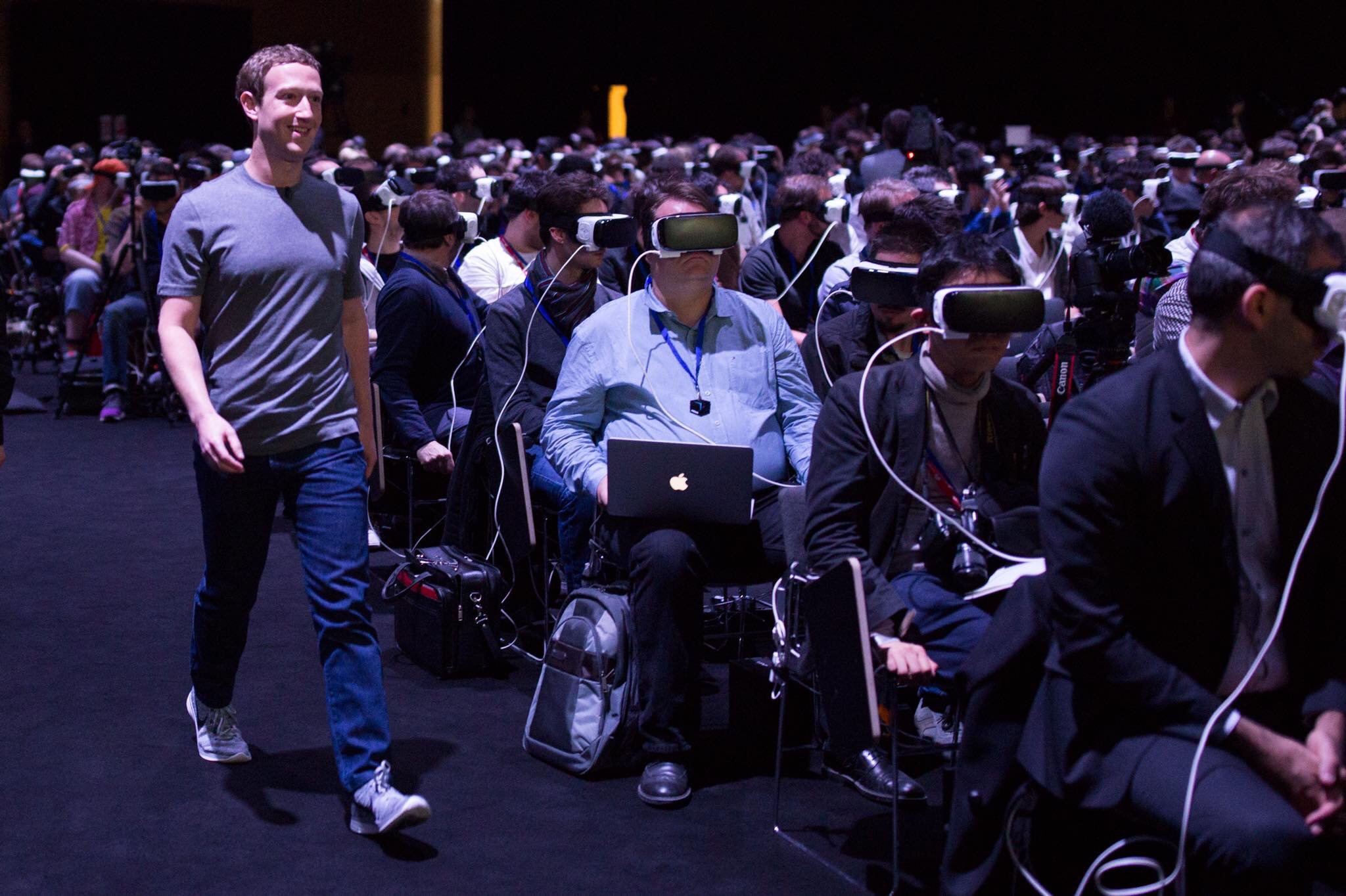
The image above looks like concept art for a new dystopian sci-fi film. A billionaire superman with a rictus grin, striding straight past human drones, tethered to machines and blinded to reality by blinking plastic masks. Golden light shines down on the man as he strides past his subjects, cast in gloom, toward a stage where he will accept their adulation. Later that night, he will pore across his vast network and read their praise, heaped upon him in superlatives, as he drives what remains of humanity forward to his singular vision.
Let’s start with an important fact that Apple elides in its statement: Apple engineered this problem and it did so intentionally. In the wake of the Snowden leaks, Apple specifically decided to encrypt material end-to-end and at rest by default on the devices it manufactures and to not maintain any ability to decrypt material unless users specifically gave it the power to recover that material. It boasted about this decision and used it as a marketing weapon against its competitors. Reasonable people can argue about whether or not Apple did so for good reasons and whether or not doing so was the optimal way for the company to enhance the cybersecurity of its users. But the simple fact remains that Apple used to have the capacity to comply with warrants, and now it cannot without a certain amount of reengineering. And that was a matter of its own choosing made despite repeated warnings from the government that this choice would cause substantial problems for law enforcement, national security investigators, and public safety.
• • •
FBI and Justice Department officials, we think, can be forgiven if they’re a touch cynical about all of Apple’s elaborate legal argumentation and suspect that this all just masks what appears to be Apple’s genuine litigating posture towards the government: You can’t make us do anything, because we are immensely politically powerful, our CEO is on the phone with the President regularly, we are too big and way too cool to fail, and people around the world like us more than they like you. So what about that dead woman in Louisiana? Sorry, but bringing her killer to justice—and preventing his or her future violence—just isn’t as important as the data security of our devices. And about protecting people from ISIS? We’ll help out if it’s not too much trouble, but don’t ask us—ever—to do something that will make us look bad to the ACLU, even if there’s a very good legal argument that you can.
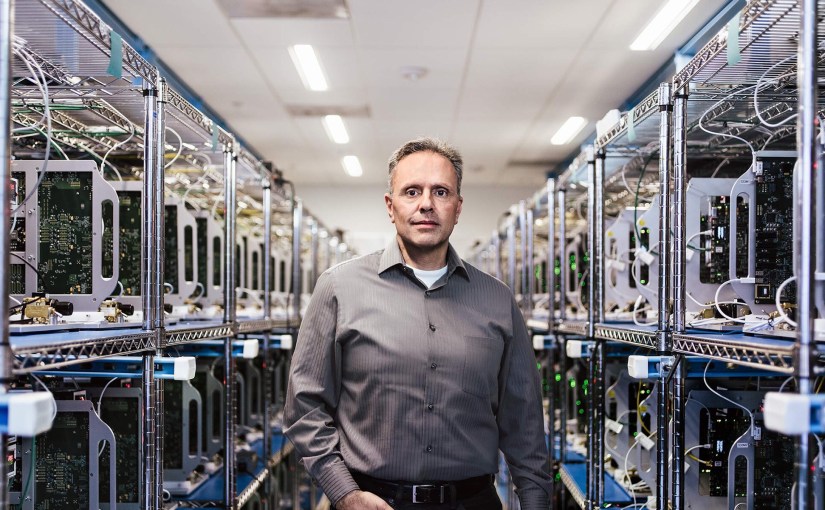
At the center of all this is Srouji, 51, an Israeli who joined Apple after jobs at Intel and IBM. He’s compact, he’s intense, and he speaks Arabic, Hebrew, and French. His English is lightly accented and, when the subject has anything to do with Apple, nonspecific bordering on koanlike. “Hard is good. Easy is a waste of time,” he says when asked about increasingly thin iPhone designs. “The chip architects at Apple are artists, the engineers are wizards,” he answers another question. He’ll elaborate a bit when the topic is general. “When designers say, ‘This is hard,’ ” he says, “my rule of thumb is if it’s not gated by physics, that means it’s hard but doable.”

 Abnormal Capitalist