Prophet and Loss

A 2000 piece about the supposed Real Wolf of Wall Street, †Dana Giacchetto :

Anxiously tugging at his Dolce & Gabbana T-shirt, Giacchetto launched into a passage from Aeschylus’ Agamemnon, in which Cassandra declares that despite the machinations of her enemies, her legend will endure.

“I am not like a bird,” he intoned, “scared at an empty bush, trembling for nothing. Wait: When you shall see my death atoned with death … then witness for me – these and all my prophecies were utter truth.”

Giacchetto’s New Year’s performance notwithstanding, the mythological character he’s often compared to these days is not Cassandra but Icarus, who got burned flying too close to the sun. “I just had a suspicion it wouldn’t last,” says one intimate. “He was flying too high, had too many people signing on. You knew that if anything ever went wrong, they’d all start jumping ship. He was a New York Magazine article waiting to happen.”

→ New York Magazine

The Gospel of Jodeci

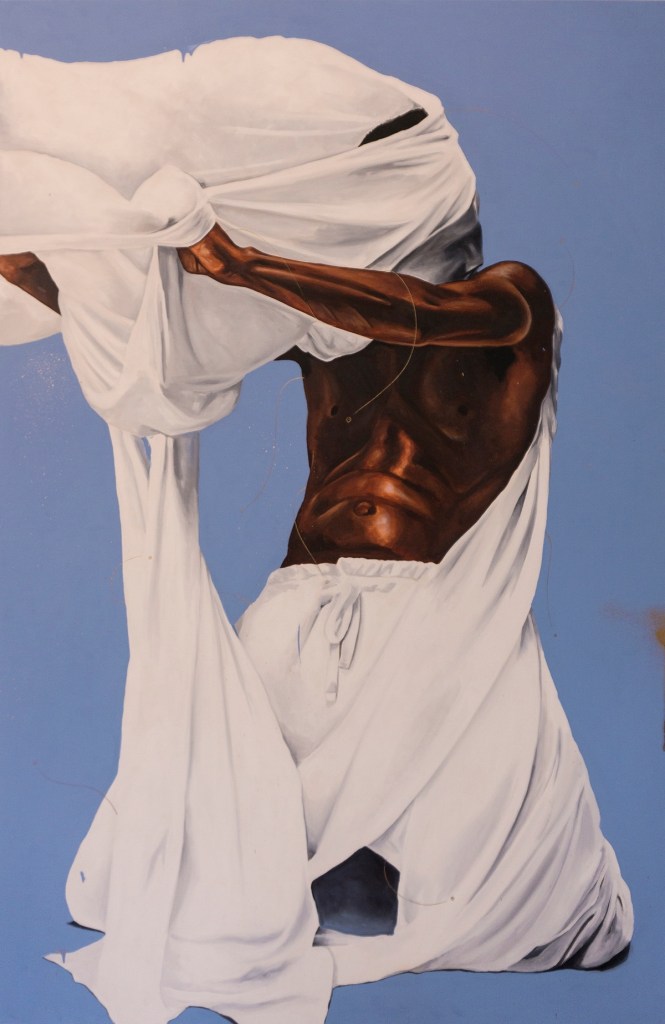
“Off White” (2018), by Fahamu Pecou

Perverse? Yes. Blasphemous? Maybe. But not irreconcilable. To contemplate the meaning of Jodeci is to grasp at the intersection of religion and excess, of devotion and abandon, of agape and eros—a space where holiness and hedonism coincide. Sacred and erotic poetry, after all, are not dichotomous, but rather the most intimate and ancient of bedfellows, from Sufi mysticism to Ovidian elegy. The meme may be “If the Love Doesn’t Feel Like ’90s R&B I Don’t Want It,” but literary history knows that Jodeci’s ars amatoria continues a millennia-old poetic program that welds the object of affection to something of the divine, a slippage between the beloved and the god, which the poet-scholar L. Lamar Wilson describes as “sacrilegion,” a never-ending hunger for the unattainable object of erotic perfection.

→ Oxford American

Alice in Chains: To Hell and Back

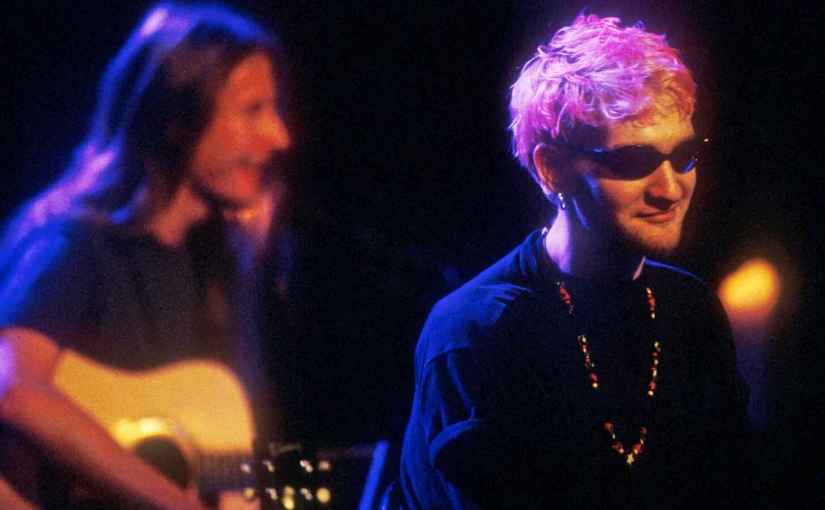
It’s the day after the Whirlyball adventure, and Staley is seated at a corner table of Cafe Sophie, a quaint Seattle jazz restaurant that served as a morgue in the early 1900s. After ordering a root beer, he peers out the window at the sun, which is burning a hole through the darkening clouds and reflecting on the sparkling water of Puget Sound.

Staley’s frail frame is swallowed up by a blue warmup jacket and white T-shirt embossed with the scribbly design of his first watercolor self-portrait. His pants are decorated with Sesame Street characters. His head is bound by a white spotted bandanna, and a small scab above his right eye sets off his pale skin. A pair of black gloves covers his hands. Yesterday he wore the same gloves. Last night at dinner the gloves were gone, but the sleeves of his white oxford shirt were buttoned between the thumbs and forefingers, revealing his uncut, dirt-encrusted fingernails. When he returned from a trip to the bathroom, his sleeves were unbuttoned, exposing what appear to be red, round puncture marks from the wrist to the knuckles of his left hand. And as anyone who knows anything about IV drugs can tell you, the veins in the hands are used only after all the other veins have been tapped out.

→ Rolling Stone

The Original Tiger Kings

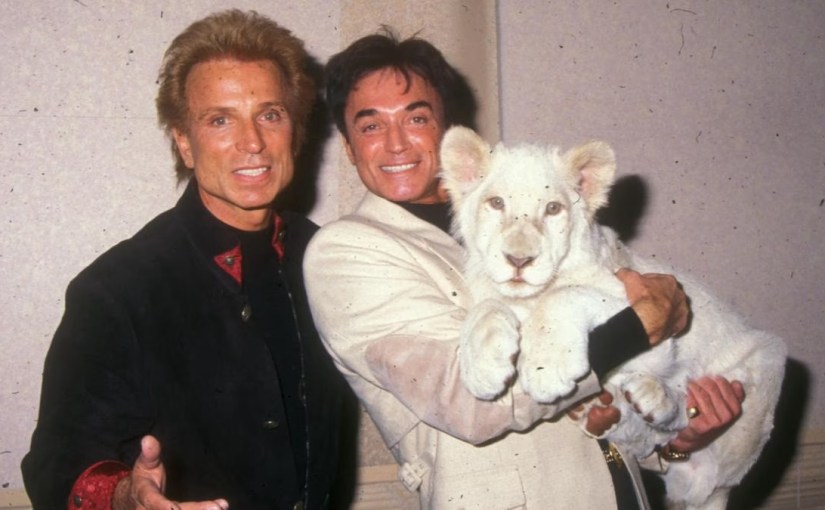
Siegfried then took out one of the gold coins that waited in his pocket. He had thousands of them made: look for the magic that is all around you, they read on one side. Then he performed a little magic—close-up magic, quiet and simple, the way he once did, before everything else.

Surrounded by the cats who reminded him so much of his lost partner—the same animals whose hulking presence had helped turn their first day together and every day after into the most extraordinary existence for everyone in their sprawling, magical family—Siegfried heard time and again the same five words his father once said to him: “How did you do that?” He never answered. Instead, Siegfried would smile, press the coin into the hands of one of his guests, and float away, leaving his visitors to stare at one another in silence, and the last of Roy’s tigers to exalt in their wonder.

→ The Atlantic

Making of a YouTube Radical

The radicalization of young men is driven by a complex stew of emotional, economic and political elements, many having nothing to do with social media. But critics and independent researchers say YouTube has inadvertently created a dangerous on-ramp to extremism by combining two things: a business model that rewards provocative videos with exposure and advertising dollars, and an algorithm that guides users down personalized paths meant to keep them glued to their screens.