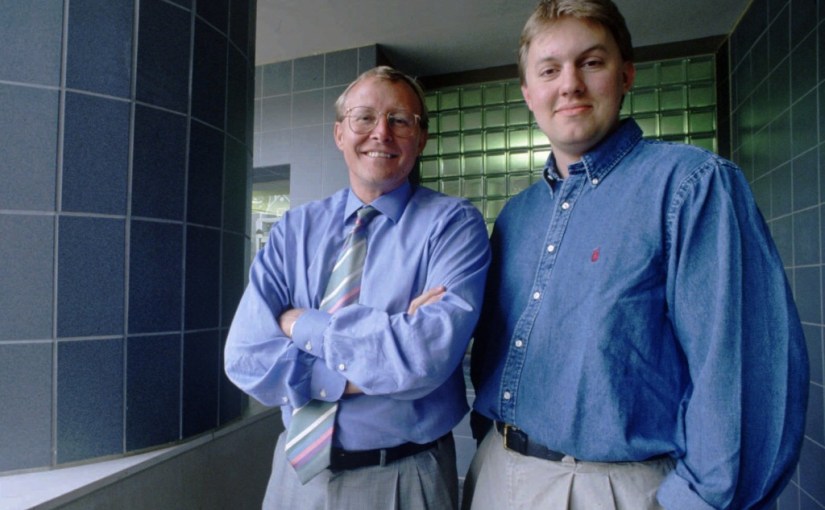
“The biggest outcomes come when you break your previous mental model. The black-swan events of the past forty years—the PC, the router, the Internet, the iPhone—nobody had theses around those. So what’s useful to us is having Dumbo ears.” A great V.C. keeps his ears pricked for a disturbing story with the elements of a fairy tale. This tale begins in another age (which happens to be the future), and features a lowborn hero who knows a secret from his hardscrabble experience. The hero encounters royalty (the V.C.s) who test him, and he harnesses magic (technology) to prevail. The tale ends in heaping treasure chests for all, borne home on the unicorn’s back.
Category: Portrait
The Secret Six
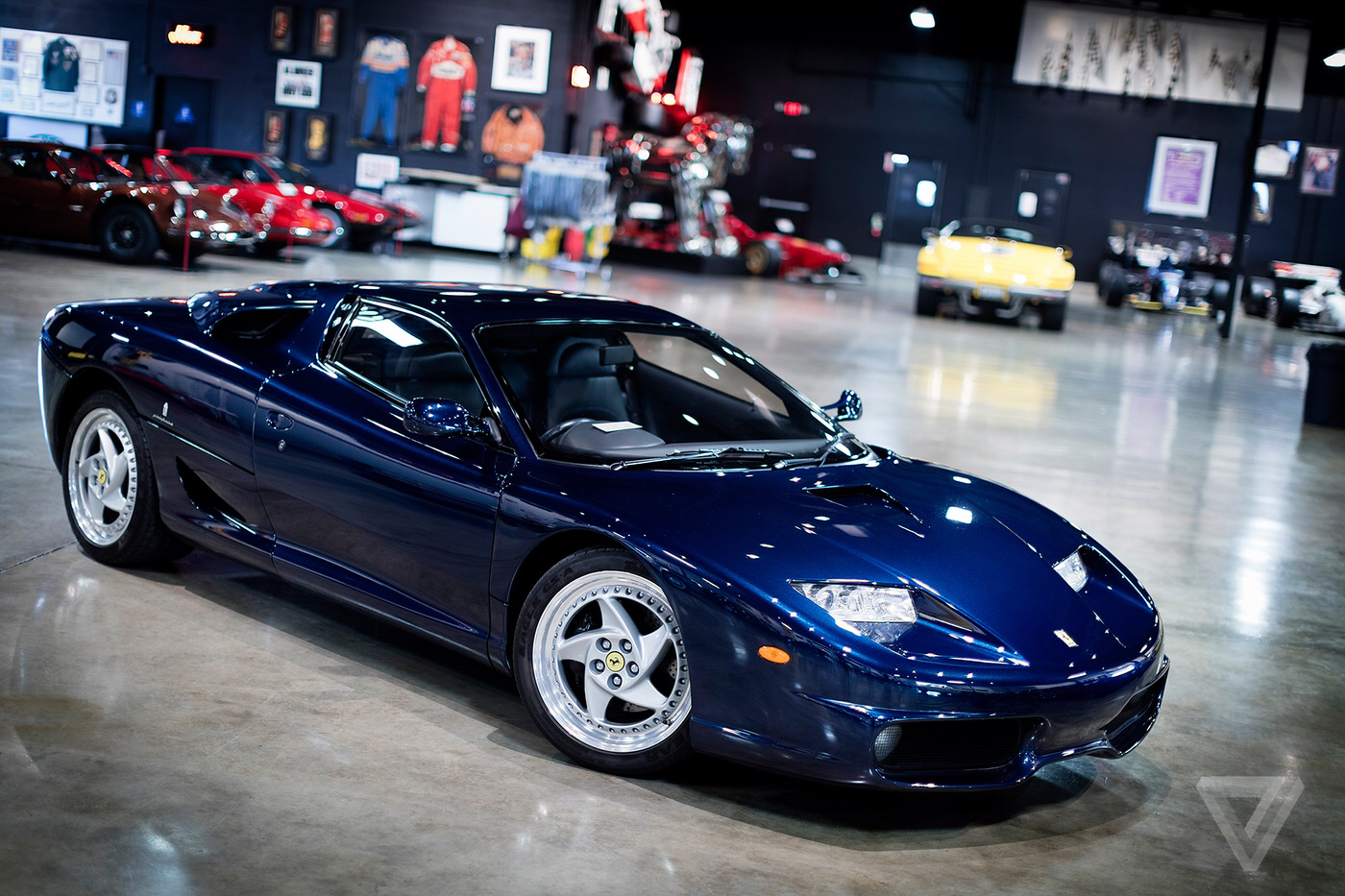
“The FX was definitely ahead of its time for having a semi-automatic gearbox,” says Kim.

“The Sultan and his brother really were R&D for many high-end automakers. They were building custom bespoke cars that not only had unique bodies and interiors, but sometimes exotic technologies. And the money was limitless.”
The Buddha Of Kabul
• • •
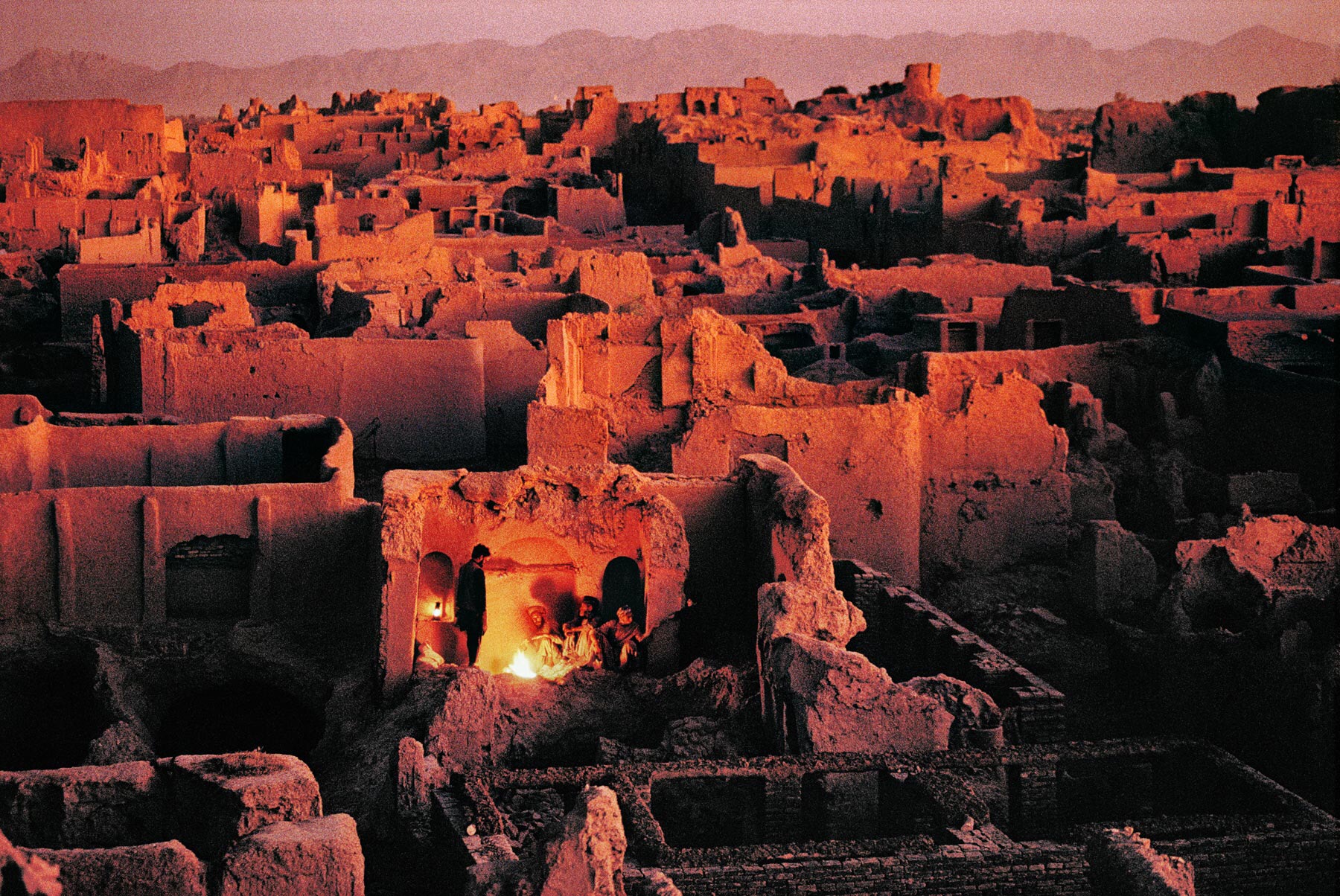
These links to the past are so fragile, made of clay and dust. So easy to break, so easy to return to the earth they came from. Yet these are also the objects that remind the forgetful world, and Afghans themselves, of what they used to be, of the confluence of ideas and civilizations that formed their khak, their ancestry. When I asked Zafar why he works so hard to excavate and preserve the material remains of Afghanistan’s history, he replied flippantly, “Because I am in love with Buddhism, and archaeology.” If so, it is a fraught romance, as the country’s past has been erased over years of war, and now, over an uncertain, uneven peace. Zafar has learned to be like the patient lover of a volatile partner. He cherishes what he has, without asking how long it will stay.
The Most Important Apple Executive You’ve Never Heard Of
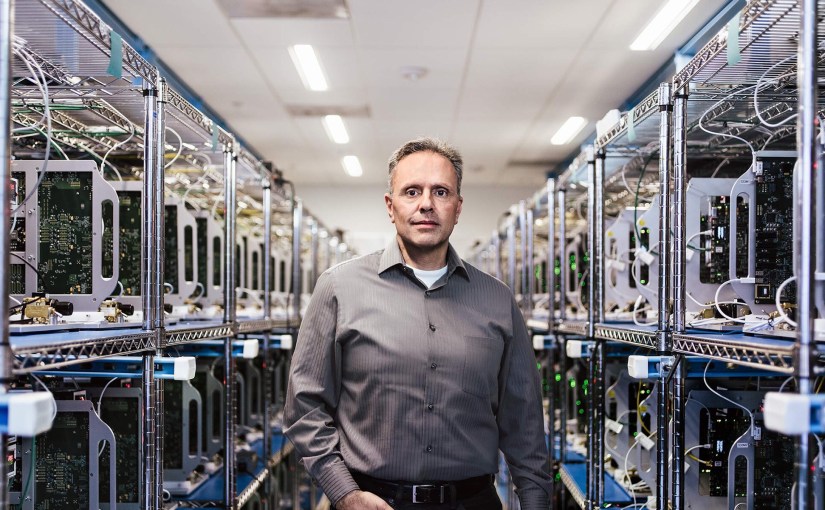
At the center of all this is Srouji, 51, an Israeli who joined Apple after jobs at Intel and IBM. He’s compact, he’s intense, and he speaks Arabic, Hebrew, and French. His English is lightly accented and, when the subject has anything to do with Apple, nonspecific bordering on koanlike. “Hard is good. Easy is a waste of time,” he says when asked about increasingly thin iPhone designs. “The chip architects at Apple are artists, the engineers are wizards,” he answers another question. He’ll elaborate a bit when the topic is general. “When designers say, ‘This is hard,’ ” he says, “my rule of thumb is if it’s not gated by physics, that means it’s hard but doable.”
David Zwirner’s Art Empire
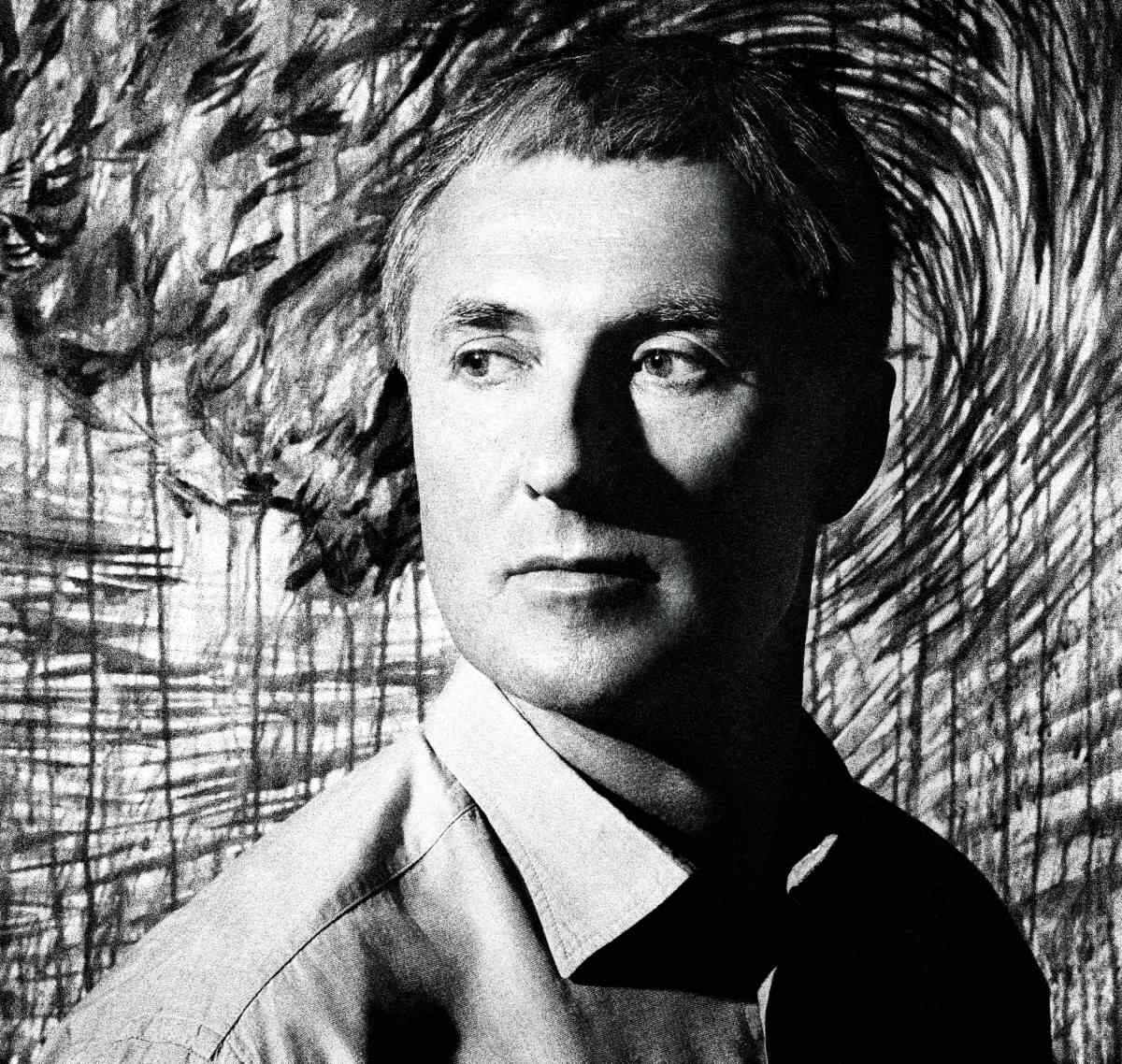
Follow-up on Bouvier’s portrait, here’s David Zwirner’s :
By one-thirty, there was no sign of the American collector. Braka and Ortuzar huddled, and Ortuzar said, “I’m on it.” At one-fifty-two, the American appeared and resumed scrutinizing the painting. “Look at him sweating,” Zwirner whispered. After a while, he gave the collector a now-or-never gesture. The man borrowed a chair, sat down, and stared at the Richter for a while, chin in hand. Braka stood ten feet behind him. Soon the American got into what appeared to be a heated discussion with Schouwink. Ortuzar approached Braka, and Braka, with a pained smile, nodded and walked away. Zwirner joined the collector and Schouwink. He spoke emphatically to each of them, slapping the knuckles of one hand against the palm of the other. Everything is negotiable. At two-fourteen, the collector shook Zwirner’s hand and bent to kiss Schouwink’s. The Richter was his, and Zwirner had earned three hundred thousand dollars, enough to cover more than half the cost of the gallery’s booth in Basel.
 Abnormal Capitalist