Experience: I own the world’s ugliest dog

A lovely story :

I wish I’d known her as a puppy. I picture her small enough to hold in your hand, and she’s with her brothers and sisters; they’re all normal little dogs and then there’s this tiny hunchback. Working at the shelter, I could adopt all the beautiful purebreds if I wanted to; but Quasi shows that you don’t need to be the most perfect-looking animal to be a loving pet. She gets on with all our other animals and cuddles up to one of our cats who likes sleeping with her.

I don’t feel sorry for her. She teaches people tolerance, especially those who initially stare, because they think she’s ugly or they’re afraid; she always wins them over. She’s taught me not to dwell on what’s wrong in life. She’s not self-conscious. She doesn’t look in the mirror and go, “Oh, poor me.” She’s the epitome of happiness.

→ The Guardian

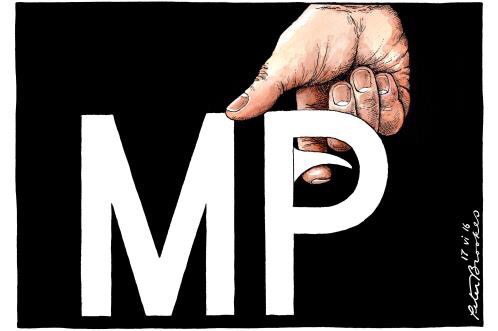
Jo felt being an MP mattered. She was right


I am tired beyond words of the cynical nonsense spouted every day by professional pundits (as well as amateur ones) that politicians are just in it for themselves, want nothing other than glory or the opportunity to fiddle bath plugs on their parliamentary expenses. Attention must be paid. Most MPs, of all parties, are decent people doing a tough job as well as they can.

When do we ever stop to applaud the manifold virtues of our politics? Why are we so receptive to the calumny that politicians are habitual liars? Jo Cox has been added, senselessly and without compensating progress, to the roll-call of people who lost their lives doing a democratic duty.

→ The Times

The Rise Of Autism

Credit : Eric Petersen

A recent study in JAMAPaediatrics, a science journal, calculated that the lifetime cost of supporting an American with autism was $1.4m-2.4m. Paul Leigh of the University of California at Davis and Juan Du of Old Dominion University have added up not only the cost of care but also the opportunity costs of autism in America. They include an estimate of the output lost when autistic people are jobless or underemployed, and when their relatives cut back on working hours to look after them. They put the total at $162 billion-367 billion in 2015, the equivalent of 0.9-2% of GDP, on a par with both diabetes and strokes. By 2025 the figure could exceed $1 trillion, they predict. Confronting autism is costly, but failing to do so may cost even more.

→ The Economist

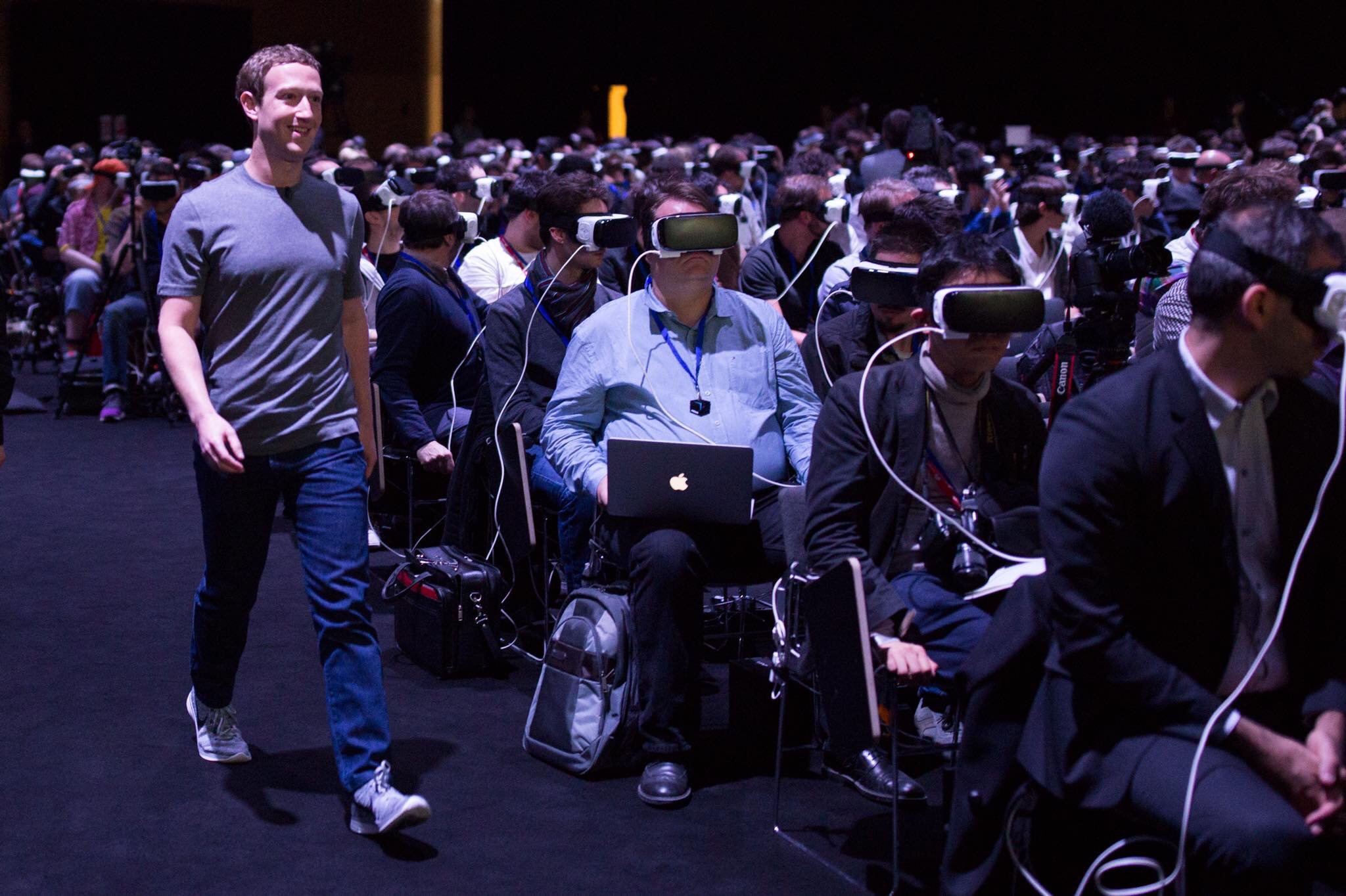
This Image Of Mark Zuckerberg Says So Much About Our Future


The image above looks like concept art for a new dystopian sci-fi film. A billionaire superman with a rictus grin, striding straight past human drones, tethered to machines and blinded to reality by blinking plastic masks. Golden light shines down on the man as he strides past his subjects, cast in gloom, toward a stage where he will accept their adulation. Later that night, he will pore across his vast network and read their praise, heaped upon him in superlatives, as he drives what remains of humanity forward to his singular vision.

→ The Verge

Apple Is Selling You A phone, Not Civil Liberties

Let’s start with an important fact that Apple elides in its statement: Apple engineered this problem and it did so intentionally. In the wake of the Snowden leaks, Apple specifically decided to encrypt material end-to-end and at rest by default on the devices it manufactures and to not maintain any ability to decrypt material unless users specifically gave it the power to recover that material. It boasted about this decision and used it as a marketing weapon against its competitors. Reasonable people can argue about whether or not Apple did so for good reasons and whether or not doing so was the optimal way for the company to enhance the cybersecurity of its users. But the simple fact remains that Apple used to have the capacity to comply with warrants, and now it cannot without a certain amount of reengineering. And that was a matter of its own choosing made despite repeated warnings from the government that this choice would cause substantial problems for law enforcement, national security investigators, and public safety.

• • •

FBI and Justice Department officials, we think, can be forgiven if they’re a touch cynical about all of Apple’s elaborate legal argumentation and suspect that this all just masks what appears to be Apple’s genuine litigating posture towards the government: You can’t make us do anything, because we are immensely politically powerful, our CEO is on the phone with the President regularly, we are too big and way too cool to fail, and people around the world like us more than they like you. So what about that dead woman in Louisiana? Sorry, but bringing her killer to justice—and preventing his or her future violence—just isn’t as important as the data security of our devices. And about protecting people from ISIS? We’ll help out if it’s not too much trouble, but don’t ask us—ever—to do something that will make us look bad to the ACLU, even if there’s a very good legal argument that you can.

→ Brookings