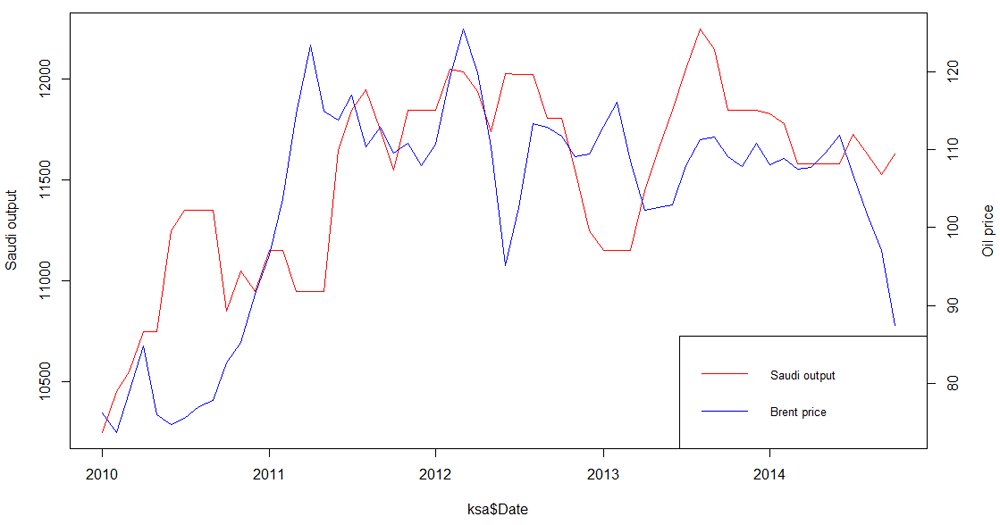
 Historically, Saudi Arabia has played a stabilizing role in world oil prices, by adjusting its output to ensure global supply is stable. The above graph show how Saudi output increased to lower prices when they were high, and vice versa. However, since July, the Saudis have not responded to newly low oil prices by decreasing output. In fact, the Kingdom have insisted that they would rather bear lower oil prices than decrease their market share (read: be squeezed out by shale).
Category: Science
Another Reason We Don’t Apply the 80-20 Rule
You’ll get one more reason by clicking the link down below :
The 80-20 rule sounds too good to be true. If 20% of inputs are so much more important than the others, why don’t we just concentrate on those? In an earlier post, I gave four reasons. These were:
- We don’t look for 80/20 payoffs. We don’t see 80/20 rules because we don’t think to look for them.
- We’re not clear about criteria for success. You can’t concentrate your efforts on the 20% with the biggest returns until you’re clear on how you measure returns.
- We’re unclear how inputs relate to outputs. It may be hard to predict what the most productive activities will be.
- We enjoy less productive activities more than more productive ones. We concentrate on what’s fun rather than what’s effective.
Blue Period: Analyzing the Color of Paintings with R

The image above shows the color spectrum of almost 100,000 paintings created since 1800.
In an article for Significance magazine, Martin suggests a few possible reasons why paintings are getting bluer with time:
- The colour blue is a relatively new colour word.
- An increase in dark colours or black might drive the effect if these contain more blue or if the camera register them as blue to a larger extent.
- The colours in paintings tend to change over time, e.g. due to the aging of resins.
- Blue has historically been a very expensive colour, and the decreasing price and increased supply might explain the increased use.
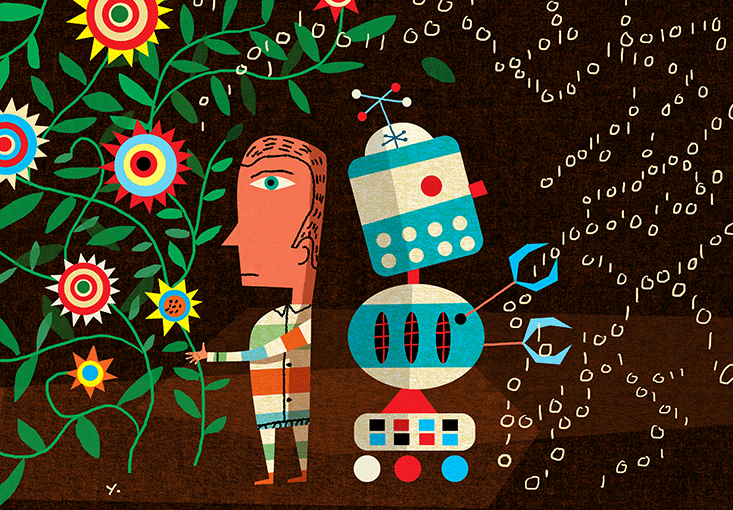
Robots Can’t Dance
A great interview with Ken Goldberg :
There are so many aspects of human unpredictability that we don’t have a model for. When you watch a ballet or a dance or see a great athlete and realize the amazing abilities, you start to appreciate those things that are uniquely human. The ability to have an emotional response, to be compelling, to be able to pick up on subtle emotional signals from others, those are all things that we haven’t made any progress on with robots.
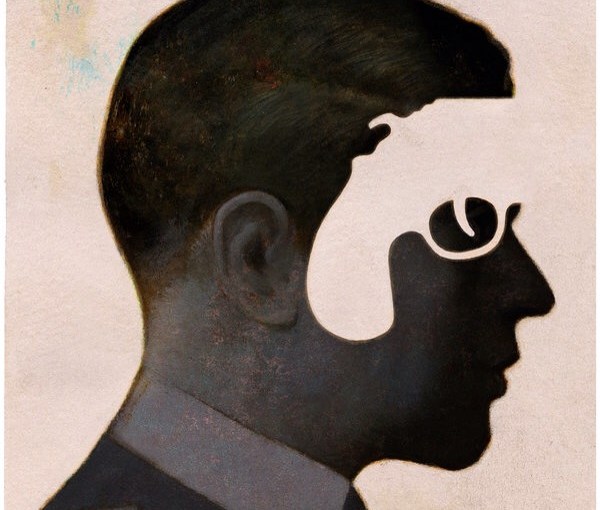
When a Gun Is Not a Gun
In every moment, your brain consults its vast stores of knowledge and asks, “The last time I was in a similar situation, what sensations did I encounter and how did I act?” If you’re in a produce section, your brain is already predicting that an apple is nearby. If you are in a part of town with a high crime rate, your brain may well predict a weapon. Only after the fact does your brain check the world to see if its prediction was right.
 Abnormal Capitalist