Fintech: Search For A Super-Algo

The rise of the machine learning :

The quantitative investment world plays down the prospect of machines supplanting human fund managers, pointing out that the prospect of full artificial intelligence is still distant, and arguing that human ingenuity still plays a vital role. But the confident swagger of the money management nerds is unmistakable. Already there are quasi-AI trading strategies working their magic in financial markets, and the future belongs to them, they predict.
→ Financial Times

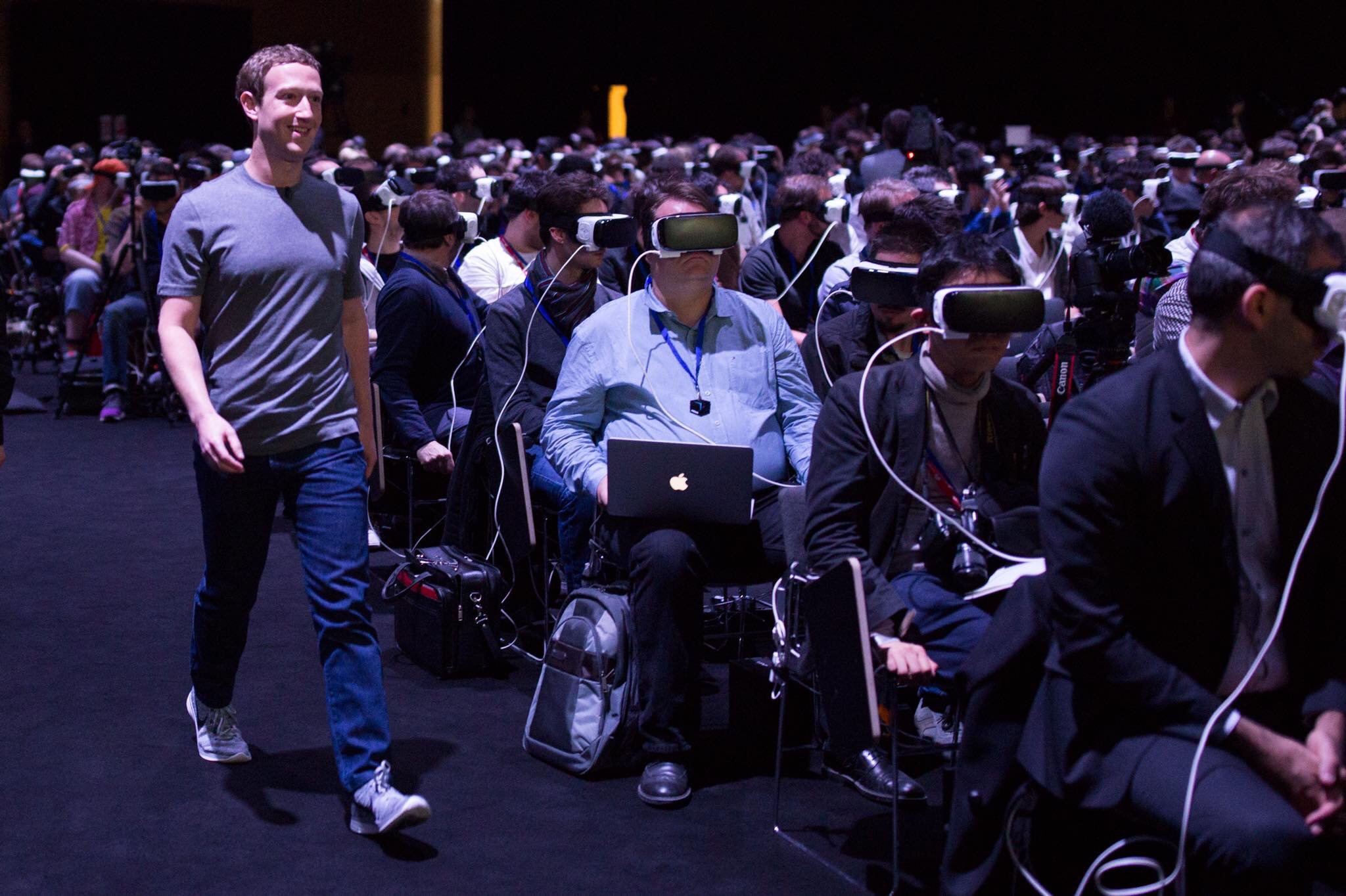
This Image Of Mark Zuckerberg Says So Much About Our Future


The image above looks like concept art for a new dystopian sci-fi film. A billionaire superman with a rictus grin, striding straight past human drones, tethered to machines and blinded to reality by blinking plastic masks. Golden light shines down on the man as he strides past his subjects, cast in gloom, toward a stage where he will accept their adulation. Later that night, he will pore across his vast network and read their praise, heaped upon him in superlatives, as he drives what remains of humanity forward to his singular vision.

→ The Verge

Why Do Humans Have Thumbs?

Of all the motions the hand can perform, perhaps none is so distinctively human as a punch in the nose. Other animals bite, claw, butt or stomp one another, but only the species that includes Muhammad Ali folds its hands into a fist to perform the quintessential act of intra-species male-on-male aggression.

David Carrier, an evolutionary biologist at the University of Utah, believes our key advantage is the dexterity and configuration of our thumb, which folds over the second and third fingers as a buttress, concentrating the striking power and protecting the delicate hand bones. (Crucially, male index fingers are short relative to the ring fingers, so they fit snugly behind the bulge of muscle at the thumb’s base; in women, the second and fourth fingers are typically the same length.)

→ Smithsonian Magazine

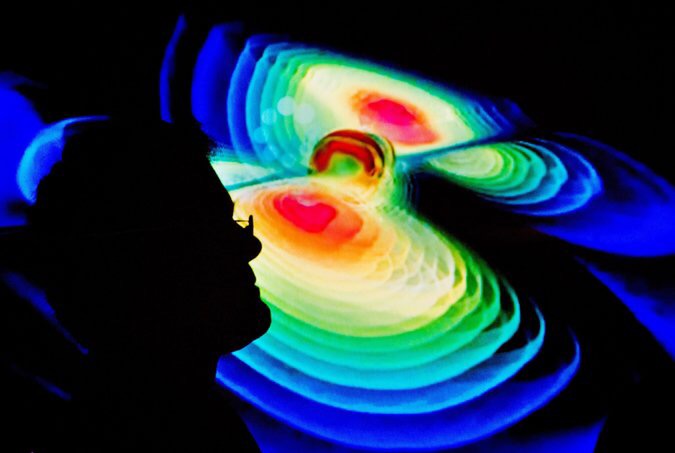
Finding Beauty in the Darkness

Too often people ask, what’s the use of science like this, if it doesn’t produce faster cars or better toasters. But people rarely ask the same question about a Picasso painting or a Mozart symphony. Such pinnacles of human creativity change our perspective of our place in the universe. Science, like art, music and literature, has the capacity to amaze and excite, dazzle and bewilder. I would argue that it is that aspect of science — its cultural contribution, its humanity — that is perhaps its most important feature.

→ The New York Times

There’s No Such Thing as Triangles

Ever since you were little, you’ve seen triangles everywhere. You find them in jack-o’-lantern eyes, corporate logos, and grilled cheese sandwiches halved diagonally. They crop up in all kinds of construction projects: the pyramids, the supports beneath the Golden Gate Bridge, the tracks of roller coasters. When architects and engineers want a shape that’s sturdy and dependable, they turn to the triangle. There’s only one problem.

Triangles don’t exist.

I don’t mean to alarm you, and I hope I’m not spoiling any fond childhood memories of geometric forms. But triangles are like Santa Claus, the tooth fairy, and Beyoncé: too strange and perfect to exist in the actual world.

→ Math With Bad Drawings