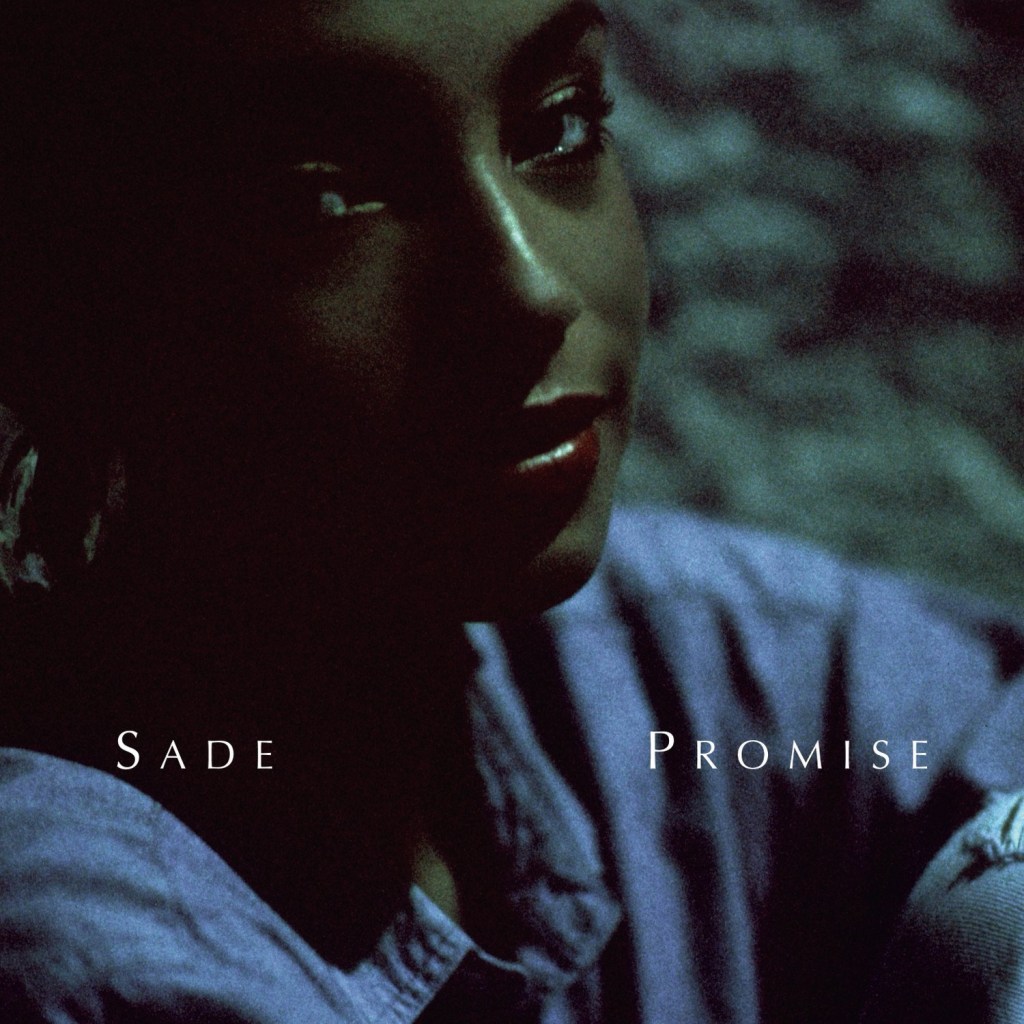
40 Years Later: Sade, “Promise”

But then, wrapped around the constant hum of this existing tension, is an album that isn’t necessarily about love, or even about surrender, but about giving your heart over, repeatedly, and enduring the failures that come with the exchange.

• • •

Time has stopped, and the world where loss has taken on a new and different shape has to begin. The song ends on a fade-out, a repetition that grows smaller, and smaller, and then gone. This revelation, too, isn’t for you, even if you need to hear it. Even if you need the reminder that it’s still worth running after the possibility of love. It’s still worth imagining that someone could love you. They may love you and later leave you. They may love you and then die, or you may die. You may hold their hands in a gray and unromantic hospital room, and then they’ll be gone. But at least, for a little while, you had hands for reaching, and hands that reached back.

→ Longreads

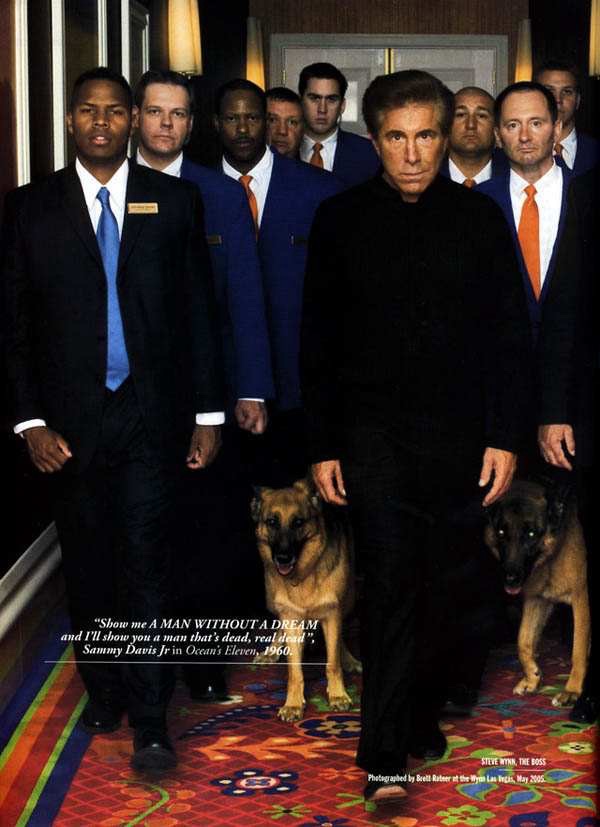
The $40-Million Elbow

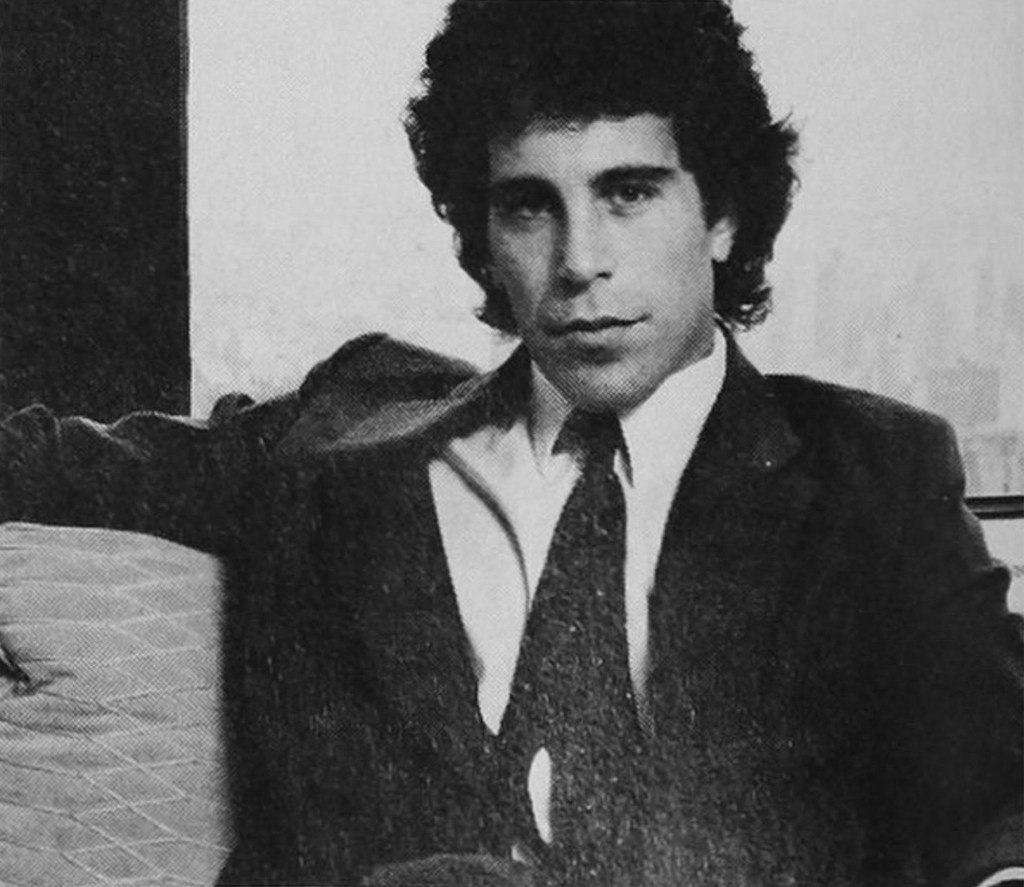
Brett Ratner for Vogue Hommes International, 2005

Wynn turned around again. He put his pinkie in the hole and observed that a flap of canvas had been pushed back. He told his guests, “Well, I’m glad I did it and not you.” He said that he’d have to call Cohen and William Acquavella, his dealer in New York, to tell them that the deal was off. Then he resumed talking about his paintings, almost, but not quite, as though he hadn’t just delivered what one of the guests would later call, in an impromptu stab at actuarial math, a “forty-million-dollar elbow.”

A few hours later, they all met for dinner, and Wynn was in a cheerful mood. “My feeling was, It’s a picture, it’s my picture, we’ll fix it. Nobody got sick or died. It’s a picture. It took Picasso five hours to paint it.” Mary Boies ordered a six-litre bottle of Bordeaux, and when it was empty she had everyone sign the label, to commemorate the calamitous afternoon. Wynn signed it “Mary, it’s all about scale—Steve.” Everyone had agreed to take what one participant called a “vow of silence.”

And a similar story on fixing a Monet on Hyperallergic.

→ The New Yorker

The Gospel of Jodeci

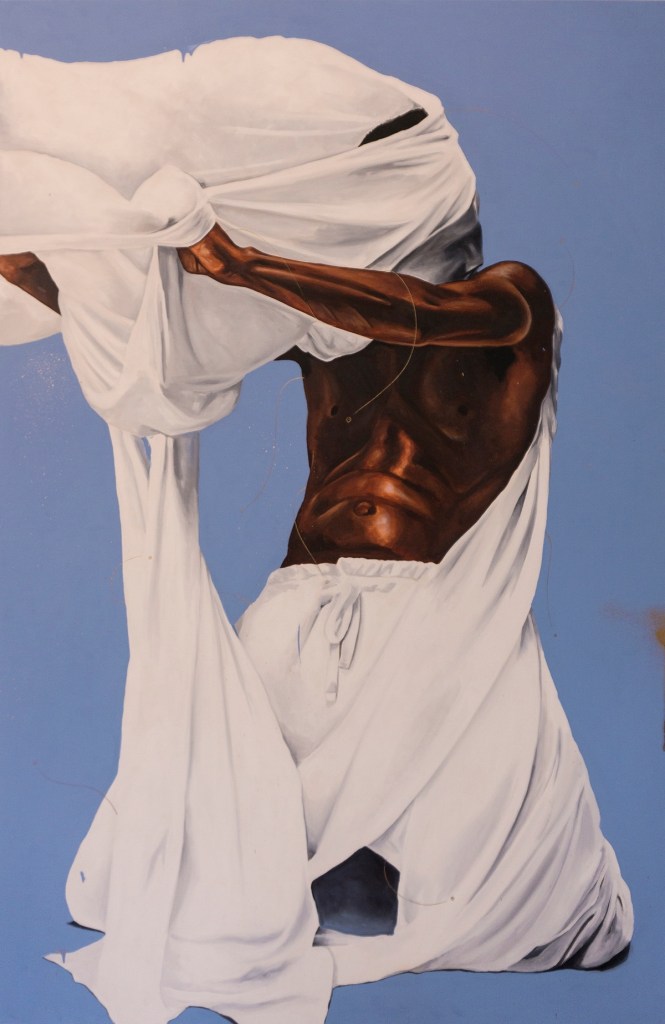
“Off White” (2018), by Fahamu Pecou

Perverse? Yes. Blasphemous? Maybe. But not irreconcilable. To contemplate the meaning of Jodeci is to grasp at the intersection of religion and excess, of devotion and abandon, of agape and eros—a space where holiness and hedonism coincide. Sacred and erotic poetry, after all, are not dichotomous, but rather the most intimate and ancient of bedfellows, from Sufi mysticism to Ovidian elegy. The meme may be “If the Love Doesn’t Feel Like ’90s R&B I Don’t Want It,” but literary history knows that Jodeci’s ars amatoria continues a millennia-old poetic program that welds the object of affection to something of the divine, a slippage between the beloved and the god, which the poet-scholar L. Lamar Wilson describes as “sacrilegion,” a never-ending hunger for the unattainable object of erotic perfection.

→ Oxford American

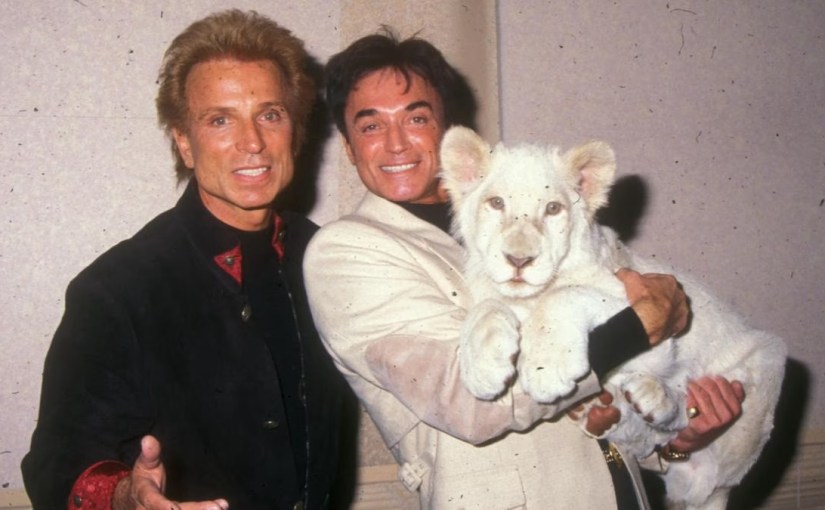
The Original Tiger Kings

Siegfried then took out one of the gold coins that waited in his pocket. He had thousands of them made: look for the magic that is all around you, they read on one side. Then he performed a little magic—close-up magic, quiet and simple, the way he once did, before everything else.

Surrounded by the cats who reminded him so much of his lost partner—the same animals whose hulking presence had helped turn their first day together and every day after into the most extraordinary existence for everyone in their sprawling, magical family—Siegfried heard time and again the same five words his father once said to him: “How did you do that?” He never answered. Instead, Siegfried would smile, press the coin into the hands of one of his guests, and float away, leaving his visitors to stare at one another in silence, and the last of Roy’s tigers to exalt in their wonder.

→ The Atlantic

Playboy Interview: Martin Luther King Jr.

Flip Schulke

I have a job to do. If I were constantly worried about death, I couldn’t function. After a while, if your life is more or less constantly in peril, you come to a point where you accept the possibility philosophically. I must face the fact, as all others in positions of leadership must do, that America today is an extremely sick nation, and that something could well happen to me at any time. I feel, though, that my cause is so right, so moral, that if I should lose my life, in some way it would aid the cause.

→ Playboy via The Daily Beast