40 Years Later: Sade, “Promise”

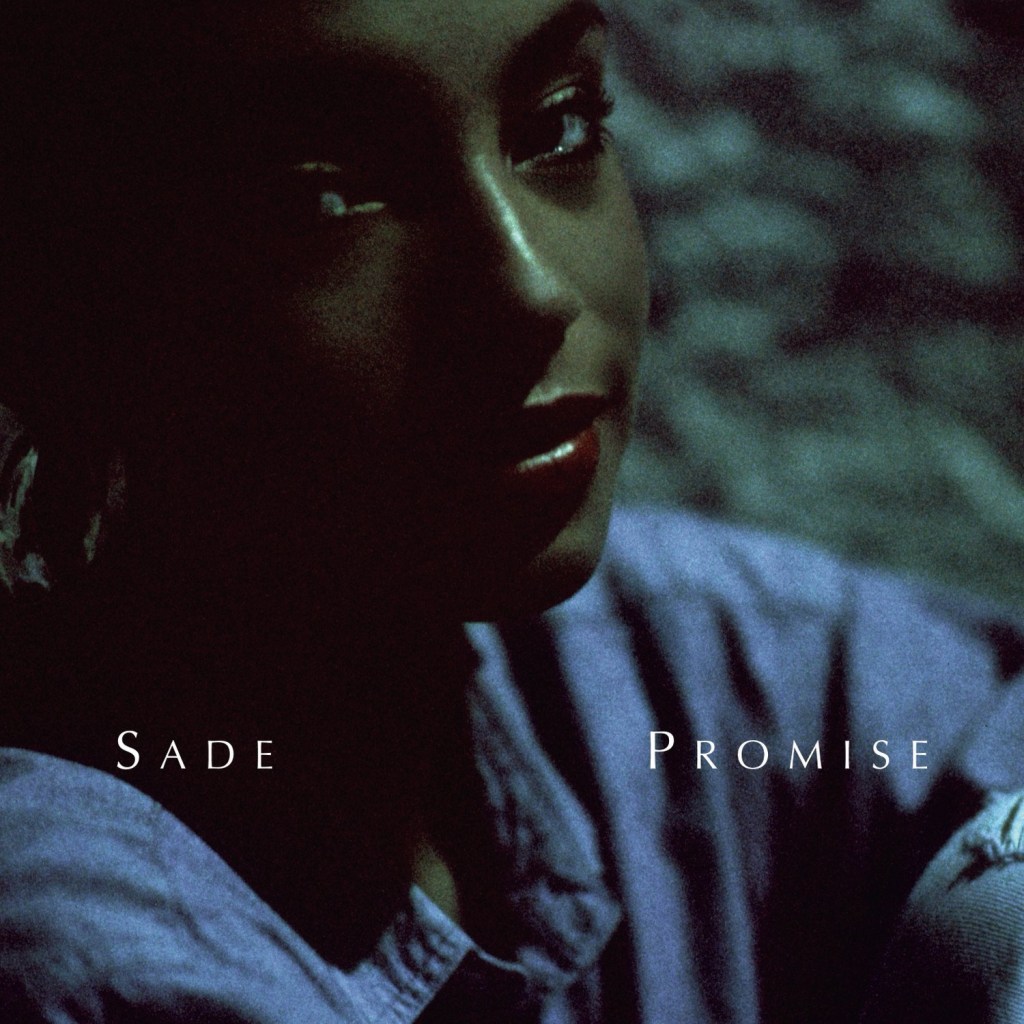
But then, wrapped around the constant hum of this existing tension, is an album that isn’t necessarily about love, or even about surrender, but about giving your heart over, repeatedly, and enduring the failures that come with the exchange.

• • •

Time has stopped, and the world where loss has taken on a new and different shape has to begin. The song ends on a fade-out, a repetition that grows smaller, and smaller, and then gone. This revelation, too, isn’t for you, even if you need to hear it. Even if you need the reminder that it’s still worth running after the possibility of love. It’s still worth imagining that someone could love you. They may love you and later leave you. They may love you and then die, or you may die. You may hold their hands in a gray and unromantic hospital room, and then they’ll be gone. But at least, for a little while, you had hands for reaching, and hands that reached back.

→ Longreads

The Gospel of Jodeci

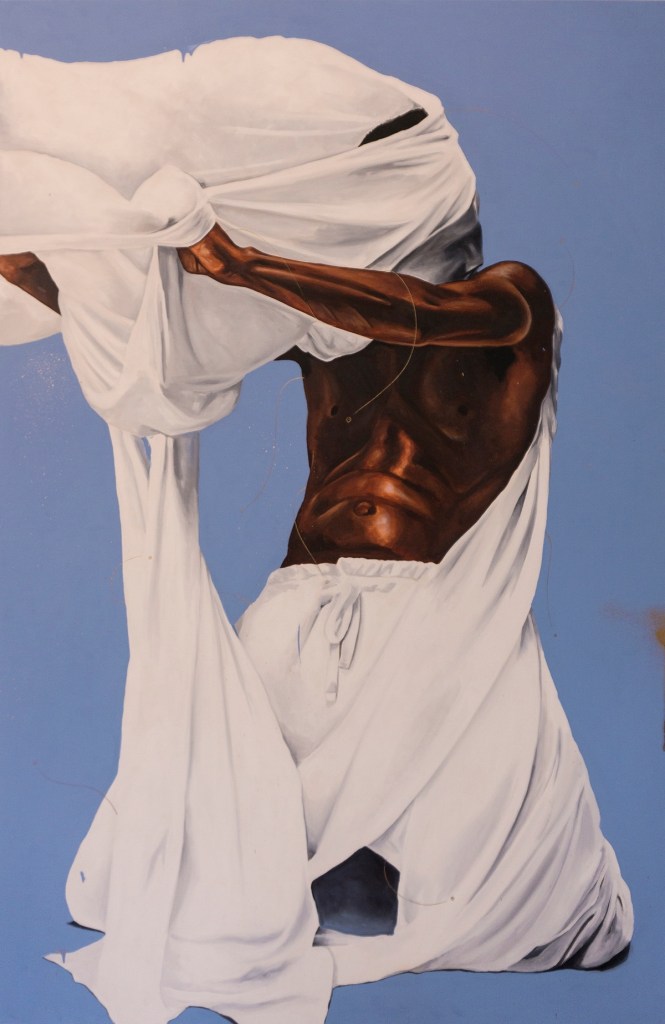
“Off White” (2018), by Fahamu Pecou

Perverse? Yes. Blasphemous? Maybe. But not irreconcilable. To contemplate the meaning of Jodeci is to grasp at the intersection of religion and excess, of devotion and abandon, of agape and eros—a space where holiness and hedonism coincide. Sacred and erotic poetry, after all, are not dichotomous, but rather the most intimate and ancient of bedfellows, from Sufi mysticism to Ovidian elegy. The meme may be “If the Love Doesn’t Feel Like ’90s R&B I Don’t Want It,” but literary history knows that Jodeci’s ars amatoria continues a millennia-old poetic program that welds the object of affection to something of the divine, a slippage between the beloved and the god, which the poet-scholar L. Lamar Wilson describes as “sacrilegion,” a never-ending hunger for the unattainable object of erotic perfection.

→ Oxford American

The Original Tiger Kings

Siegfried then took out one of the gold coins that waited in his pocket. He had thousands of them made: look for the magic that is all around you, they read on one side. Then he performed a little magic—close-up magic, quiet and simple, the way he once did, before everything else.

Surrounded by the cats who reminded him so much of his lost partner—the same animals whose hulking presence had helped turn their first day together and every day after into the most extraordinary existence for everyone in their sprawling, magical family—Siegfried heard time and again the same five words his father once said to him: “How did you do that?” He never answered. Instead, Siegfried would smile, press the coin into the hands of one of his guests, and float away, leaving his visitors to stare at one another in silence, and the last of Roy’s tigers to exalt in their wonder.

→ The Atlantic

The Day The Music Burned

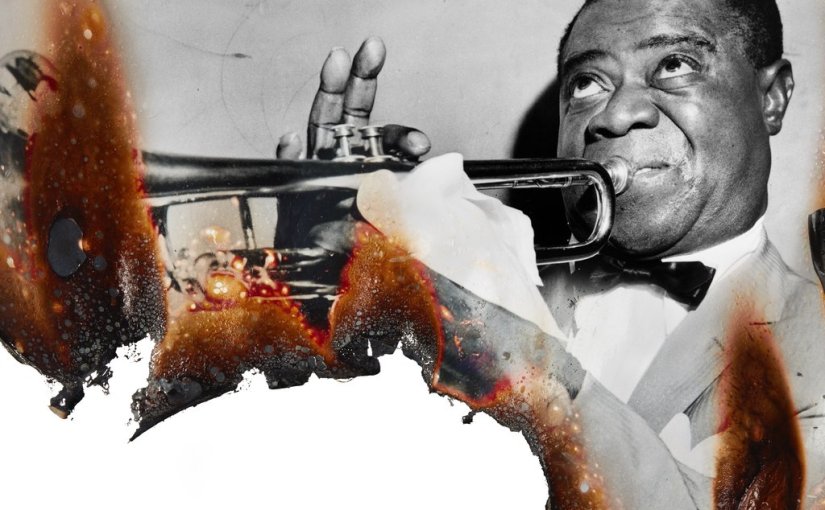
The recordings that burned up in the Universal fire — like the songs that are blasting from car windows on the street outside your home, like all the records that you or I or anyone else has ever heard — represent a wonderment that we have come to take for granted. For most of human history, every word spoken, every song sung, was by definition ephemeral: Air vibrated and sound traveled in and out of earshot, never to be heard again. But technology gave humanity the means to catch sounds, to transform a soprano’s warble, a violin’s trill, Chuck Berry’s blaring guitar, into something permanent and repeatable, a sonic artifact to which listeners can return again and again.

The Life and Death of the Kid Who Hunted the Taliban

That night, as darkness enveloped the family’s three-story mud-brick compound, Wasil’s uncles shuffled Hamidullah’s bloodied corpse inside. The boy drew close, his cheeks wet with tears. In the low light, he could see the blood that stained his father’s clothes. He was a child, yes, but he knew enough of his world to realize, without even asking, who had killed his father. And he knew what it meant for him.


In the weeks that followed, Wasil’s anger hardened into a grim and brutal ambition—one that would launch him toward fame and then toward tragedy. “Teach me how to shoot,” Wasil said to his uncle Samad when he had resolved himself to retribution. “I want to kill my father’s killer.”

→ GQ