As Brazil’s Far Right Leader Threatens the Amazon, One Tribe Pushes Back

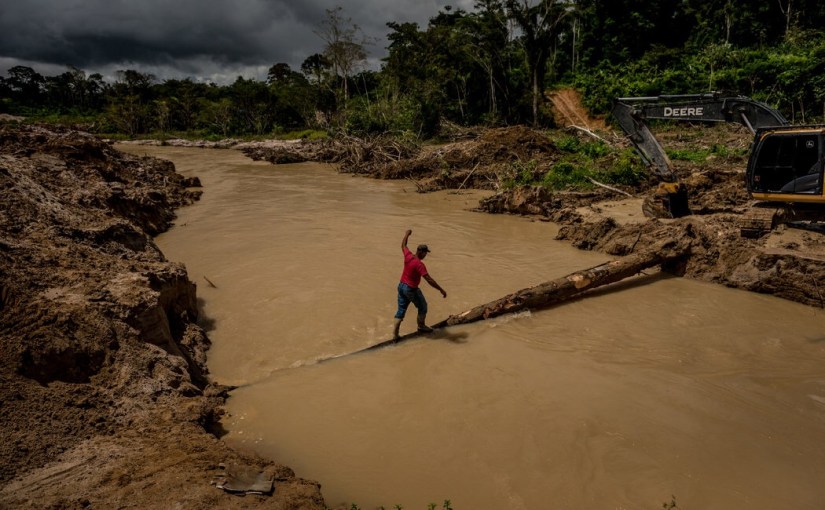
Cleber da Silva Costa, the miner who brought the bounty, said he knew what he and his fellow miners were doing was illegal and harmful to the environment. Yet he argued that his crime was merely a symptom of more egregious wrong.

“If you didn’t have so many corrupt people in Congress, you might be able to consider preserving the environment,” he said.

Mr. da Silva, 47, a miner with three children, said the camp was doing more to preserve than destroy indigenous communities.

“The little they have today is from miners,” he said. “The government doesn’t help. All the money gets stolen. We may be in the wrong. But out here, it’s the law of survival.”
→ The New York Times

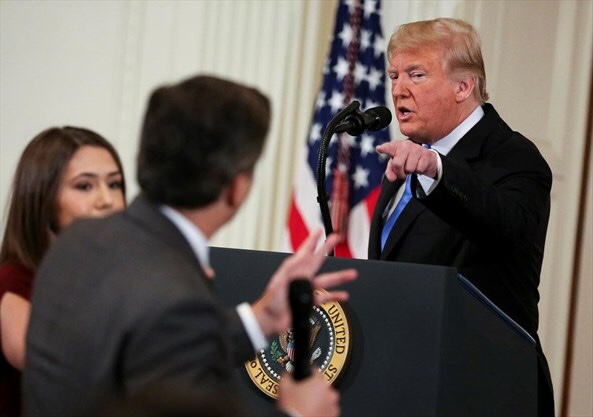
Should Journalists Boycott Trump’ Press Briefing?

The White House is a lousy source of information about itself, but it is also the best available source. The real story of Trumpism is probably found not in the White House or even in Washington but in Ohio, in Texas, along the Mexican border, in refugee camps the world over, in Afghanistan, in Yemen, and in the Palestinian territories. But the story of how the Administration functions must still be observed up close. Walking away would give this White House exactly what it wants: less contact with the media, less visibility, ever less transparency and accountability. Walking away would feel good, but it would ultimately be a loss. Would the loss in information be greater than the gain in solidarity? That’s a hard question, but my guess is that the answer is yes.

→ The New Yorker

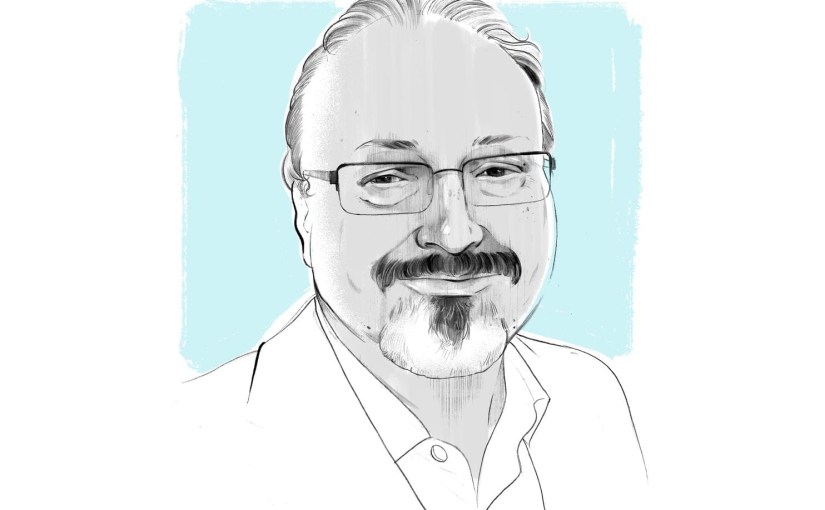
Jamal Khashoggi’s last column for The Post before his disappearance

A note from Karen Attiah, Global Opinions editor :

I received this column from Jamal Khashoggi’s translator and assistant the day after Jamal was reported missing in Istanbul. The Post held off publishing it because we hoped Jamal would come back to us so that he and I could edit it together. Now I have to accept: That is not going to happen. This is the last piece of his I will edit for The Post. This column perfectly captures his commitment and passion for freedom in the Arab world. A freedom he apparently gave his life for. I will be forever grateful he chose The Post as his final journalistic home one year ago and gave us the chance to work together.

→ The Washington Post

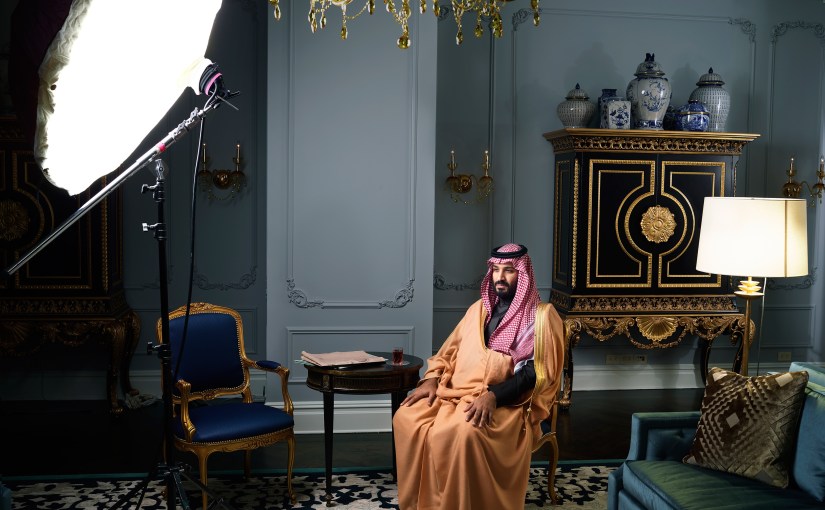
Will You Work For A Murderer?

And he thinks: Can I possibly work for such a regime, and still look at myself in the mirror each morning?

Which is the question that we, as a nation, must ask ourselves now. Even if we still needed Saudi Arabia’s oil, which we do not; even if Saudi Arabia was a strong and principled ally in the region, which it is not; even if it helped push the Palestinians toward peace, or kept its promises in Yemen, or bought the weapons that Trump thinks it is going to buy. . . . No matter what Saudi Arabia offered, could its supposed friendship be worth shrugging off the ensnaring and killing of a critic whose only offense was to tell the truth?

Is that the country we want to be?

No.

The Washington Post

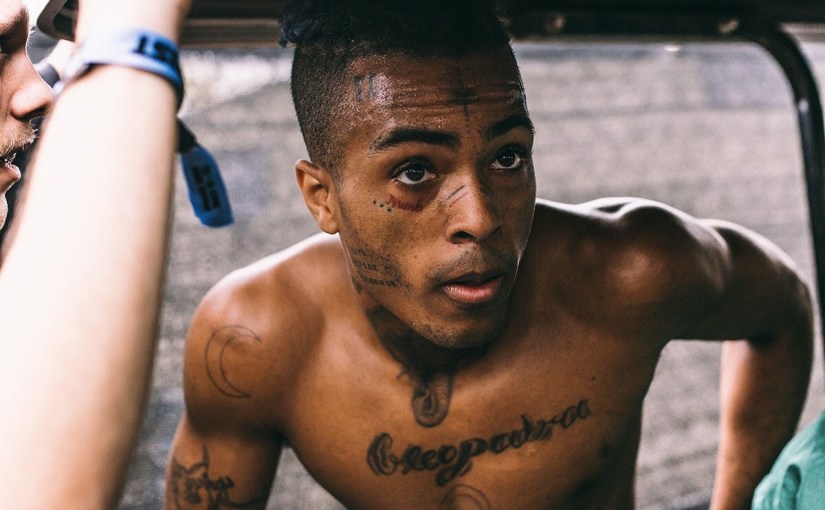
XXXTentacion’s Death Is a Reminder to Mourn, but Not to Forget

As the rapper Jidenna tweeted, “For those who are so woke that their compassion is asleep, remember this…if Malcolm X was killed at the age of 20, he would have died an abuser, a thief, an addict, and a narrow-minded depressed & violent criminal. So, I believe in change for the young.” His point is not to equate XXXTentacion with Malcolm X, but to put some perspective that young and lost souls can sometimes evolve into something greater given the opportunity. Whether XXXTentacion would have made good for his wrongs we’ll never know.

And from The Atlantic :

XXXTentacion may have spent his career trying to convince his most ardent young fans that they’re worth more than they believe, but his legacy—of trauma endured and seemingly unrepentantly inflicted—reminds us that worth has never been distributed evenly.

→ HighSnobiety