Category: Culture
$2 Billion and Counting
Daniel Ek, Founder and CEO of Spotify, on Taylor Swift, revenues and the myths about the streaming industry.
He properly nailed it.
It’s not about Spotify and others not paying artists fairly, it’s about fans not willing to pay and play it the old way.
$2 billion, not a bad number.
In the long run how much is worth your favorite CD or your one-time iTunes purchase to the artist compared to decades of playbacks on that same album ?
I betcha my Led Zeppelin IV would be platinum-plated if Spotify existed at that time.
Why link free and paid? Because the hardest thing about selling a music subscription is that most of our competition comes from the tons of free music available just about everywhere. Today, people listen to music in a wide variety of ways, but by far the three most popular ways are radio, YouTube, and piracy – all free. Here’s the overwhelming, undeniable, inescapable bottom line: the vast majority of music listening is unpaid. If we want to drive people to pay for music, we have to compete with free to get their attention in the first place.
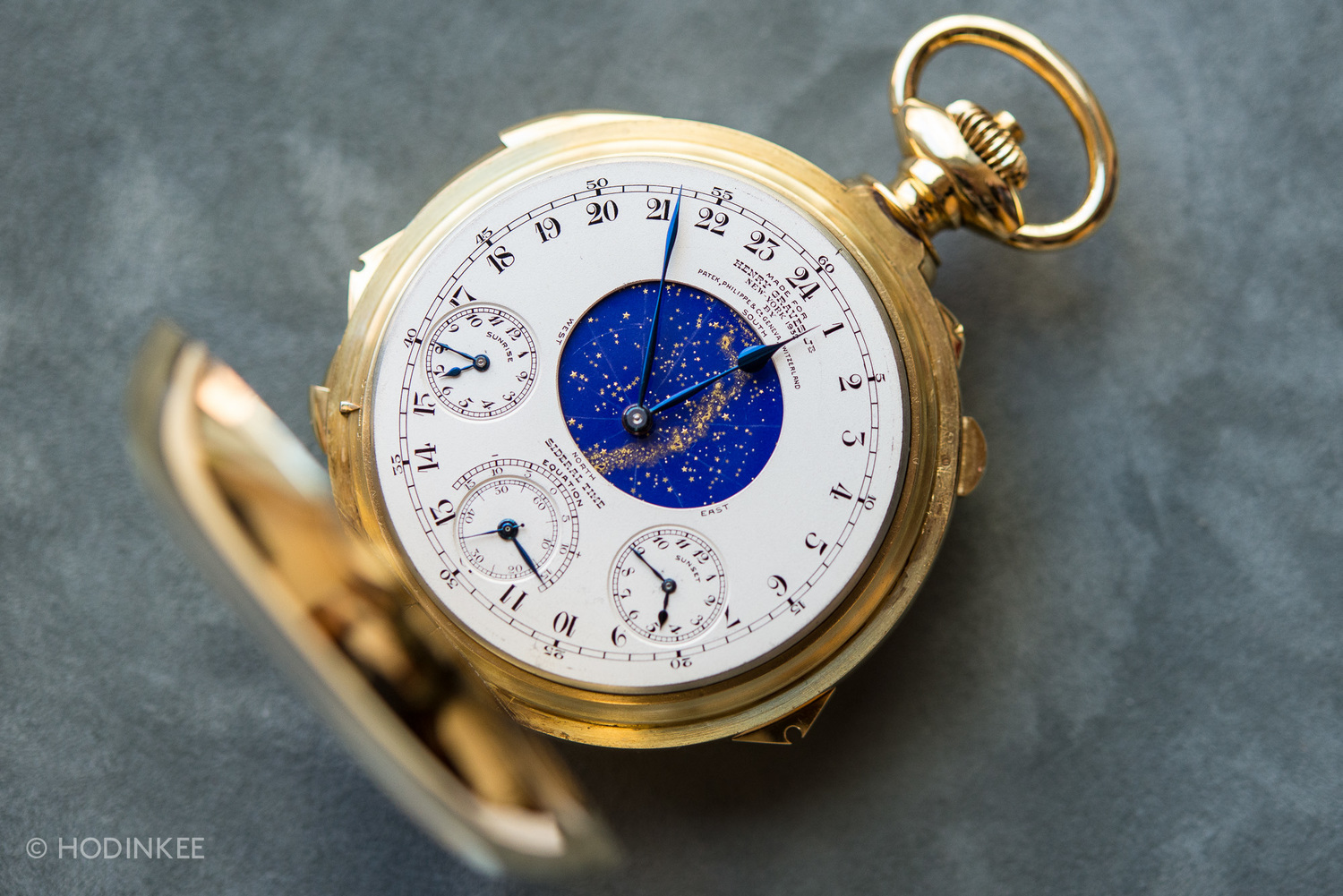
The Most Important Watch Ever Made
This is quiet simply the most unique and complicated timepiece ever made.
The Henry Graves’ Patek Philippe Supercomplication represents the pinacle of watchmaking, featuring 24 complications, twenty-four. It took 7 years to develop, starting in 1925, no computer involved in the process. It weights around 500 grams and 70mm in diameter.
It’s been previously sold in 1999, for a staggering $11’000’000.
Today, on November 11th, 2014, Sotheby’s will be making history, again, by auctioning the most important watch ever made.
The Apple Watch: What Does It Mean For the Swiss Watch Industry ?
In short, the Apple WATCH means nothing to Swiss manufactures.
If smartwatches were ever to totally supplant traditional mechanical watches, I believe it would be a sign of something much more momentous: a large-scale abandonment of the luxurious and the artisanal in favor of the mass-market and the utilitarian. And somehow that is difficult to imagine.
The Ethical Cost of High-Price Art
If artists, art critics, and art buyers really had any interest in reducing the widening gap between the rich and the poor, they would be focusing their efforts on developing countries, where spending a few thousand dollars on the purchase of works by indigenous artists could make a real difference to the wellbeing of entire villages.
 Abnormal Capitalist