My Long Night With Fidel Castro

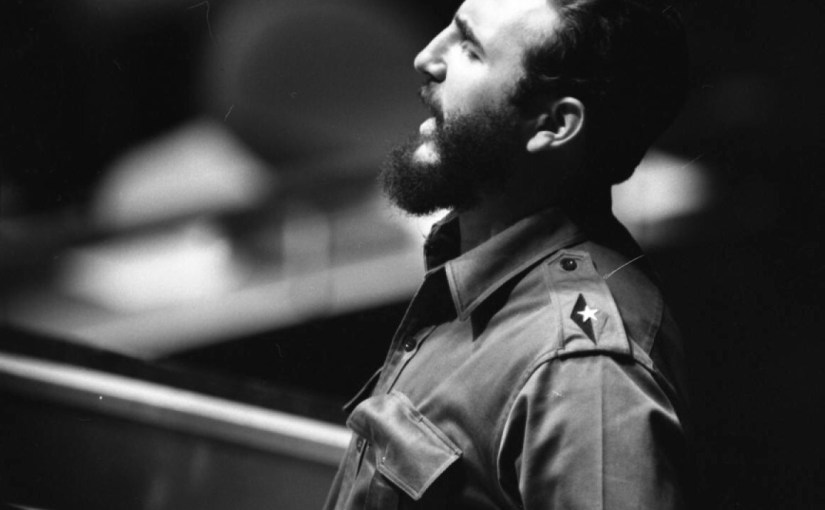
Had I just witnessed a miracle? In the world of politics, this is about as close as you get to an apology. Was Fidel apologizing for his use of force during the revolution? For acting as a pawn of the Russians during the missile crisis? For the mistreatment of political dissidents? For all of the above and more?

He didn’t say outright that he was sorry—he didn’t say he regretted any of his past actions—but it sure felt like it. History hasn’t absolved him of his crimes and missteps, and it appears he might be acknowledging as much.

After the round of handshakes, I expected Fidel to make some brief remarks and then say his goodbyes—it was incredibly late—but, again, he surprised us all.
→ Pacific Standard

How Black Reporters Report On Black Death

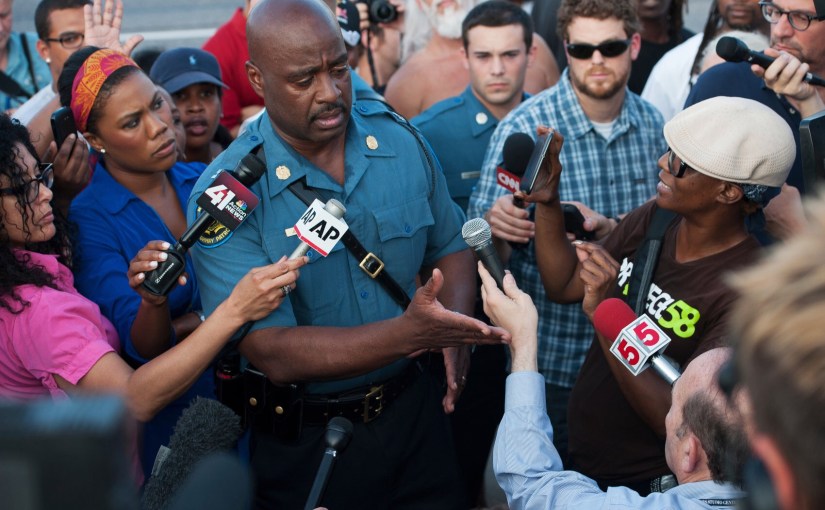
But if “diverse” reporters help newsrooms do better journalism, are newsrooms doing enough to make sure someone like Trymaine has the support and backup he needs to not burn out or even break down in the process? We ask journalists to keep some critical, dispassionate distance from their stories. But what happens when the stories they’re covering are not abstractions, not just things that happen to other people? What happens when echoes of those stories keep sounding off in their own lives?

I was left with that question when Trymaine and I wrapped up our conversation and headed to lunch. I looked at my phone and realized that in the short time we’d been talking on the bench, the hashtag #ChristianTaylor had been trending on Twitter, named for a black college football player shot and killed by police in Arlington, Texas.

→ NPR

The History of E-Cigarettes

A rather neat interactive timeline of the e-cigarette.

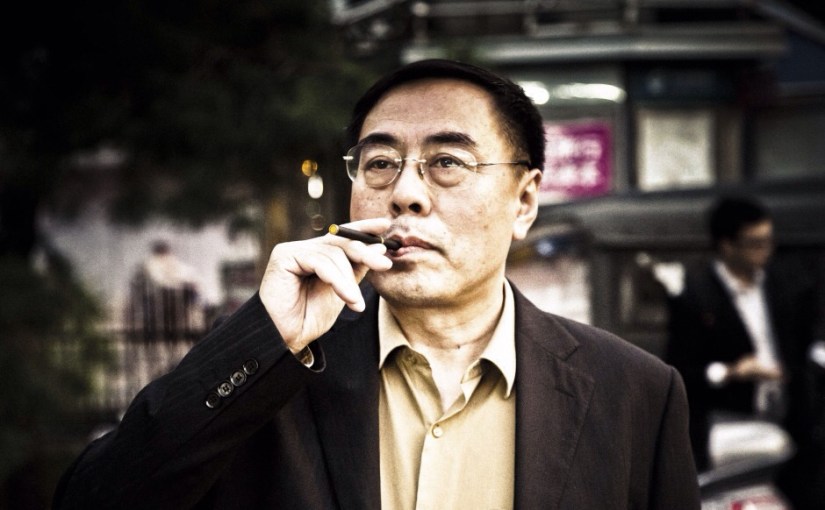
The e-cigarette was invented by Hon Lik, a 52 year old pharmacist in Beijing, China. He reportedly invented the device after his father, a heavy smoker, died of lung cancer. This timeline charts the history of e-cigarettes from invention in 2003, to present day.

→ purplebox vapours

When a Gun Is Not a Gun

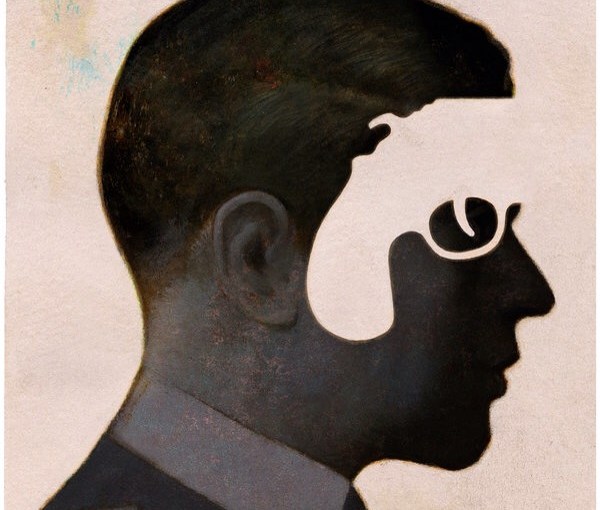
In every moment, your brain consults its vast stores of knowledge and asks, “The last time I was in a similar situation, what sensations did I encounter and how did I act?” If you’re in a produce section, your brain is already predicting that an apple is nearby. If you are in a part of town with a high crime rate, your brain may well predict a weapon. Only after the fact does your brain check the world to see if its prediction was right.

→ The New York Times

Lost in Syria

Heartbreaking :

Ann learned from the funeral parlor that Harroun, an honorably discharged veteran, was entitled to a plot in Arizona’s national cemetery. A year earlier, he had been awaiting trial for supporting an affiliate of Al Qaeda; now he would be buried among war heroes.

It rained on the day of the funeral service. Family and friends gathered under a portico to hear Ann speak about Harroun’s compassion, the “many tears” he had caused, and the “many trips to the principal’s office” she had made. Flags flew at half-mast. A bugler played taps. Two uniformed soldiers wearing white gloves presented Ann with a folded American flag.

→ The New Yorker