Is It Time To Get Serious About Electric Cars ?

Following VW’ scandal, here is Jean-Louis Gassée on a necessary transition :

Filling up the cars as described represents 1.3 terawatts pulsing through the grid to the electric filling stations. The Syracuse University page pegs the entire US electric supply at about 1 terawatt. Again, I’m not vouching for exact numbers, just the orders of magnitude. Now, add an uncomfortable twist to those numbers: Transmission loss in the electric grid is more than 7%; compare this to the less than .1% for the transportation and evaporation of gasoline.

The result is that we have more than just the science problem of replacing gasoline with electric energy storage. We also face an infrastructure challenge to, first, generate the electricity and, second, transport it to the filling stations at home or on roadsides. It will take a very long time, huge amounts of money, and interesting politics to solve these two problems. And, while I’m not a diehard GM fan, it should (but won’t) kill the “General Motors killed the electric car” myth.

→ Monday Note

Brad Katsuyama’s Next Chapter

 
In the summer of 2014, Puzz had another puzzle to solve. From March to July, the frequency with which an IEX customer could have gotten a better price less than 10 milliseconds after a trade posted rose from about 3 percent to as much as 10 percent. This wasn’t meant to happen. IEX was supposed to protect investors from what’s known as stale quote arbitrage; that’s when a high-frequency trader takes advantage of milliseconds-long delays in how markets update prices to reflect movements on other exchanges. These tiny delays allow high-speed traders to see a price fluctuation on one exchange and then quickly send an order to another market—often a dark pool—that it knows updates its prices more slowly, hoping to pick off the orders resting there at stale prices. It’s a bit like betting on yesterday’s horse race against someone who doesn’t know the result.

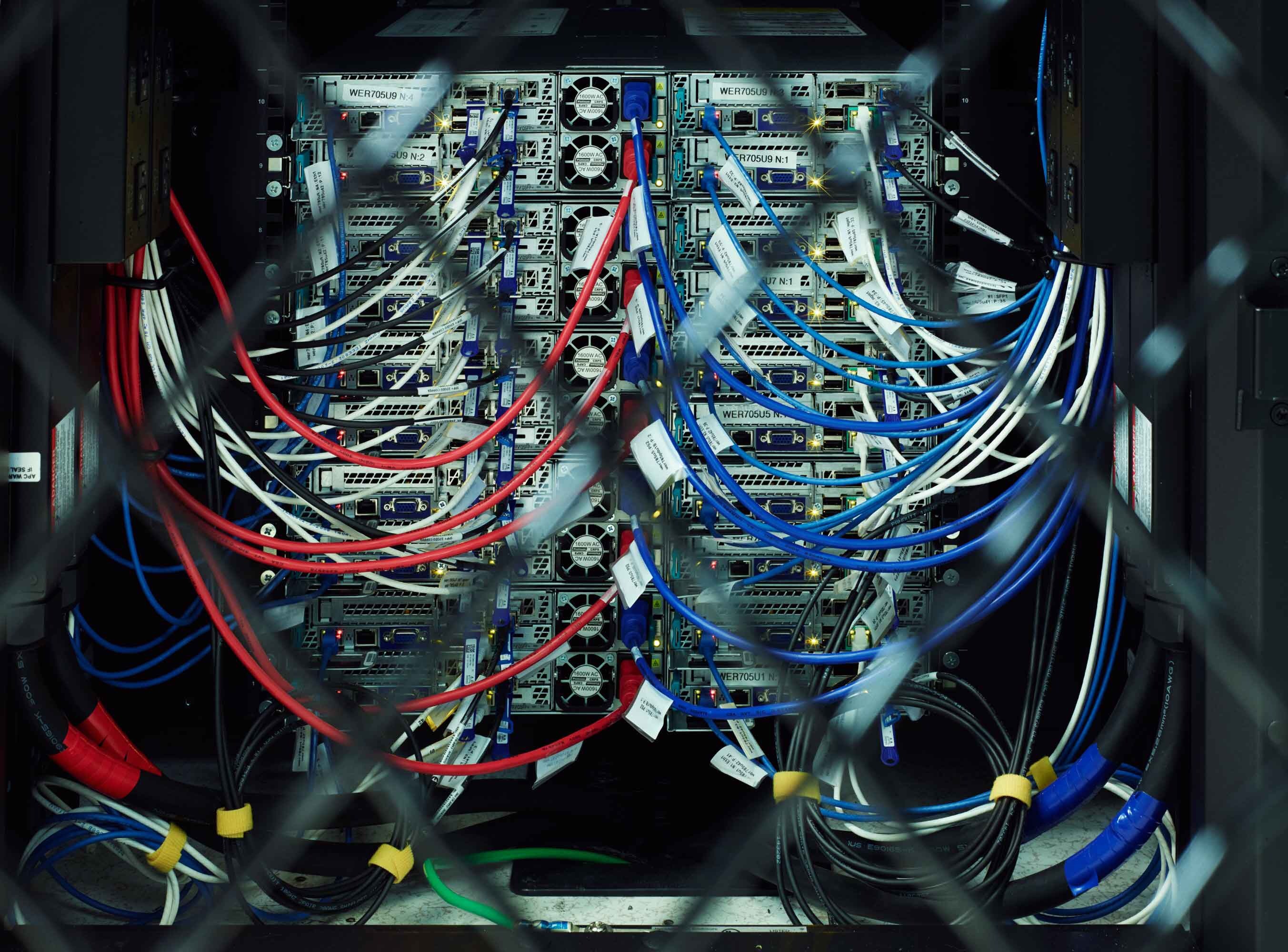
IEX prevents stale quote arbitrage with its “magic shoe box,” a metal container in its data center in Weehawken, New Jersey. Crammed into it are 38 miles (61 kilometers) of coiled fiber-optic wire, creating IEX’s speed bump of 350 microseconds (about one one-thousandth of the time it takes to blink). The idea of countering super-fast traders by creating a slower market might seem like a paradox. It’s not. IEX uses the same high-speed data feeds as HFT firms do to monitor other exchanges for price changes. But because IEX didn’t want to be in a technological arms race with the high-frequency traders to process this information faster than they do, it uses the speed bump to slow down all new orders—just enough to ensure IEX has time to update its prices to reflect any movements on public exchanges. This prevents orders on IEX from being traded against at stale prices.

So how, Aisen wondered, could HFT firms be picking off IEX orders despite the magic shoe box? It didn’t take Puzz long to solve the riddle. He discovered that some HFT algorithms could predict price changes—like surfers sitting out past the break, scanning the swell for their next ride—and target orders before the magic shoe box’s speed bump could protect them.

→ Bloomberg

Projecting the Ad Revenue Effect of iOS 9 Content Blocking

The effect of the iOS content blocker. Worst case scenario is an 11% decrease in revenue :

We invented a hypothetical mid-size publisher based in the United States and reliant on exchange banner ads, using private data from a variety of sources and industry data reviewed in the report, including adoption models that predict equal or greater adoption compared to desktop ad blockers.


Eight months from now, our hypothetical publisher could see a 3.7% drop in ad revenue. With astronomical content blocker adoption (3x desktop rates) driven by App Store visibility and media coverage, that number could be as high as 11%. A potentially severe setback for businesses with thin margins.

And Ben Ilfeld to predict :

A trend toward native advertising will accelerate.

But I couldn’t disagree with Ben Brooks’ position on native ads. For the most part, ads feel impersonal and unrelated to the website bearing them, as they are supposed to be tailored to the reader by Google’s algorithms. On the other side, native ads are selected and delivered by the publisher himself (here, the website or blog) based on its perceived relevance to the reader. The issue is that the reader might sense a conflict of interest or being fooled by the publisher if the product or service doesn’t delivers what is promised by the trusted pen or voice of the publisher, putting himself at unnecessary risk. 

And if [John Gruber] does accept the [Apple] ad, even knowing that the has more than a decade of history for being objective about Apple — how does a reader look at Gruber’s praise of Apple now? It’s potentially devastating for the writers authenticity, and for reader trust. The entire system could crumble. Even though it seems like a logical sponsor for his site.

→ 10up

Touch Me Harder

Craig Federighi on building the 3D Touch screen, a marvel of complication :

It starts with the idea that, on a device this thin, you want to detect force. I mean, you think you want to detect force, but really what you’re trying to do is sense intent. You’re trying to read minds. And yet you have a user who might be using his thumb, his finger, might be emotional at the moment, might be walking, might be laying on the couch. These things don’t affect intent, but they do affect what a sensor [inside the phone] sees. So there are a huge number of technical hurdles. We have to do sensor fusion with accelerometers to cancel out gravity—but when you turn [the device] a different way, we have to subtract out gravity. … Your thumb can read differently to the touch sensor than your finger would. That difference is important to understanding how to interpret the force. And so we’re fusing both what the force sensor is giving us with what the touch sensor is giving us about the nature of your interaction. So down at even just the lowest level of hardware and algorithms—I mean, this is just one basic thing. And if you don’t get it right, none of it works.

→ Bloomberg Businessweek

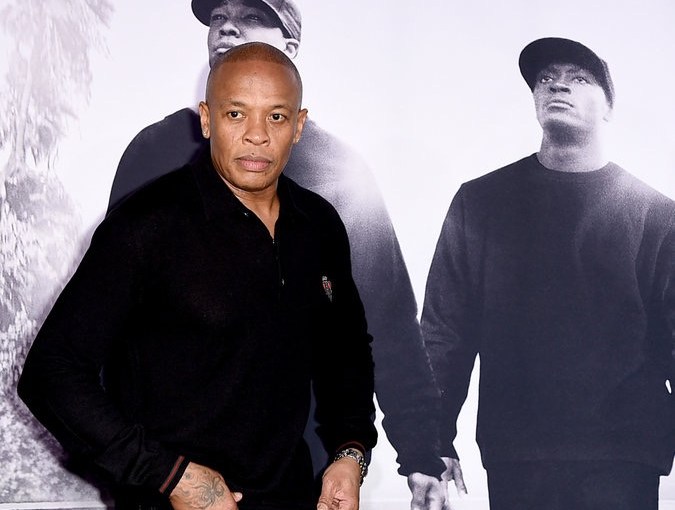
D’Auguste Comte à Bachelard … à Apple et Dr Dre

Jean-Philippe Denis, mon professeur mémorable de gestion, sur les racines du Hip-Hop management :

En épistémologie des sciences, on considère la première planète comme celle du positivisme hérité des lumières d’Auguste Comte. La seconde, elle, est celle conçue par le grand philosophe Gaston Bachelard pour lequel « rien n’est donné, tout est construit ».

Sur la planète héritée de Comte, le monde est vu comme régi par des forces implacables, et par des lois déterministes de performance. Comme dans un roman d’Houellebecq, une sorte de sélection naturelle des formes les plus adaptées s’y opère mécaniquement. Il vaut mieux dès lors se soumettre puisque rien ne sert de courir ni même de se battre : après tout, comme le disait Keynes, à long terme on est tous morts. Au risque de la provocation on pourrait ajouter : qu’on se sente ou qu’on ne se sente pas Charlie.

Sur la planète léguée par Bachelard, les habitants raisonnent à l’inverse. Derrière chaque calamité, ils voient une opportunité. Dès lors ils ne perdent jamais puisque, pour filer Nelson Mandela, soit ils gagnent soit ils apprennent. L’avenir est donc toujours ouvert même si tout n’est pas possible. Et pour peu qu’on envisage d’abord la manière de s’embusquer pour mieux l’attendre, il est toujours plein de promesses nouvelles, toujours en devenir.

Les transformations de l’industrie musicale depuis vingt ans illustrent à merveille l’existence de ces deux planètes.

→ The Conversation